In brief
The conflict in Nigeria's Plateau State represents a tragic microcosm of the country’s broader struggles between ethnic groups and competing resource claims. Christian farmers and predominantly Muslim Fulani herders find their historic relationship strained, as attacks, reprisals, and insecurities fuel a cycle of violence, highlighting the urgent need for effective conflict resolution and peacebuilding efforts.
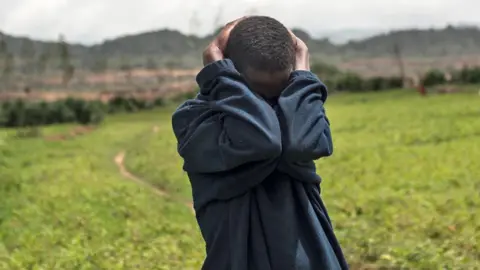
Around midnight, I heard the first gunshots, recalls Joseph Ize Zino, a youth leader in central Nigeria, recounting the chaos of violence in his village of Zike, predominantly inhabited by the Christian Irigwe ethnic group. Gunmen, believed to be members of the Fulani community, attacked, resulting in the deaths of 52 men, women, and children. The ongoing conflict in Plateau State is emblematic of a larger struggle in Nigeria, where disputes over land and resources lead to heartbreaking violence—often framed along religious lines despite complex underlying issues of ethnicity and access to resources. Farmers’ and herders’ historical coexistence has deteriorated into fear, accusations of genocide, and radical mistrust. With government response often lacking, communities like Zike feel abandoned, fueling the desire for justice over revenge. Yet, amidst this turmoil, initiatives aimed at reconciliation offer hope for gradual peace as community leaders work towards restoring relationships and fostering cooperative efforts across ethnic lines.