In brief
Amidst a tumultuous period for local journalism, the Pittsburgh Post-Gazette has been sold to a nonprofit foundation aimed at preserving its legacy. Meanwhile, the alternative Pittsburgh City Paper has returned under new ownership after initially shutting down. Despite ongoing challenges in the media industry, these developments signal a potential turnaround in Pittsburgh’s news landscape as other outlets also adapt to fill the emerging void.
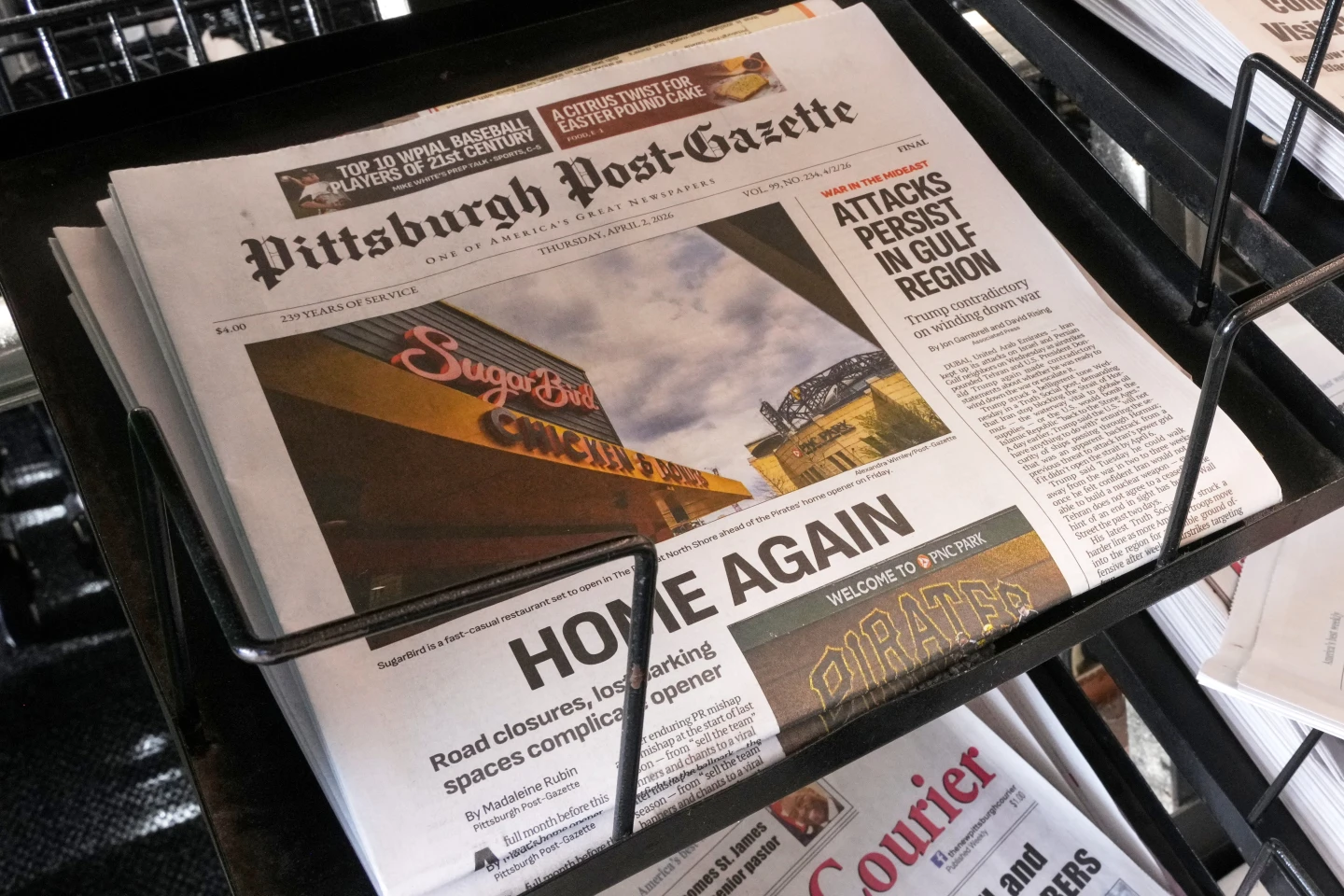
This spring, the Pittsburgh media landscape has experienced a remarkable transformation, moving from near extinction to a hopeful revival. The recent announcement of the Pittsburgh Post-Gazette's sale to a nonprofit foundation has reignited optimism among local journalism advocates, especially considering the newspaper was on the brink of closure just weeks before. The sale ensures that this historic publication, which dates back to 1786, will continue its role in the community.Notably, the Post-Gazette's sale came as the alternative Pittsburgh City Paper, which ceased operations earlier this year after 34 years, made a striking comeback under new management. This dual resurgence marks a rare positive turn for a local news industry that has faced significant decline over the last two decades due to a loss of readership and staffing reductions.Halle Stockton, co-executive director of Public Source, emphasized the human necessity to appreciate the importance of local news, especially after the city faced the real threat of losing its main newspapers. This sentiment echoes through the rich history of the Post-Gazette, known for its extensive coverage and a Pulitzer Prize-winning journalism that has long served as the 'paper of record' for Pittsburgh.The recent transition of ownership has reignited discussions surrounding the future of journalism in Pittsburgh. The Venetoulis Institute for Local Journalism's acquisition of the Post-Gazette initially raised concerns about potential hedge fund ownership but ultimately provided a glimmer of hope for workers and readers alike.Andrew Conte, a journalism professor, noted the significance of this acquisition, which could set a precedent for struggling newspapers nationwide. In tandem with these developments, other regional media sources are responding proactively by expanding their journalistic capacities and coverage areas, illustrating a community's collective effort to sustain local news.Despite the excitement surrounding these changes, challenges related to audience engagement persist, particularly among younger generations who gravitate towards social media for news. This dynamic raises questions about how local journalism can evolve to better connect with audiences and regain trust.In summary, while Pittsburgh's media landscape navigates a tumultuous path, recent developments show promise for a renewed commitment to the vital role of local journalism, underscoring a community's shared devotion to preserving a robust information ecosystem.