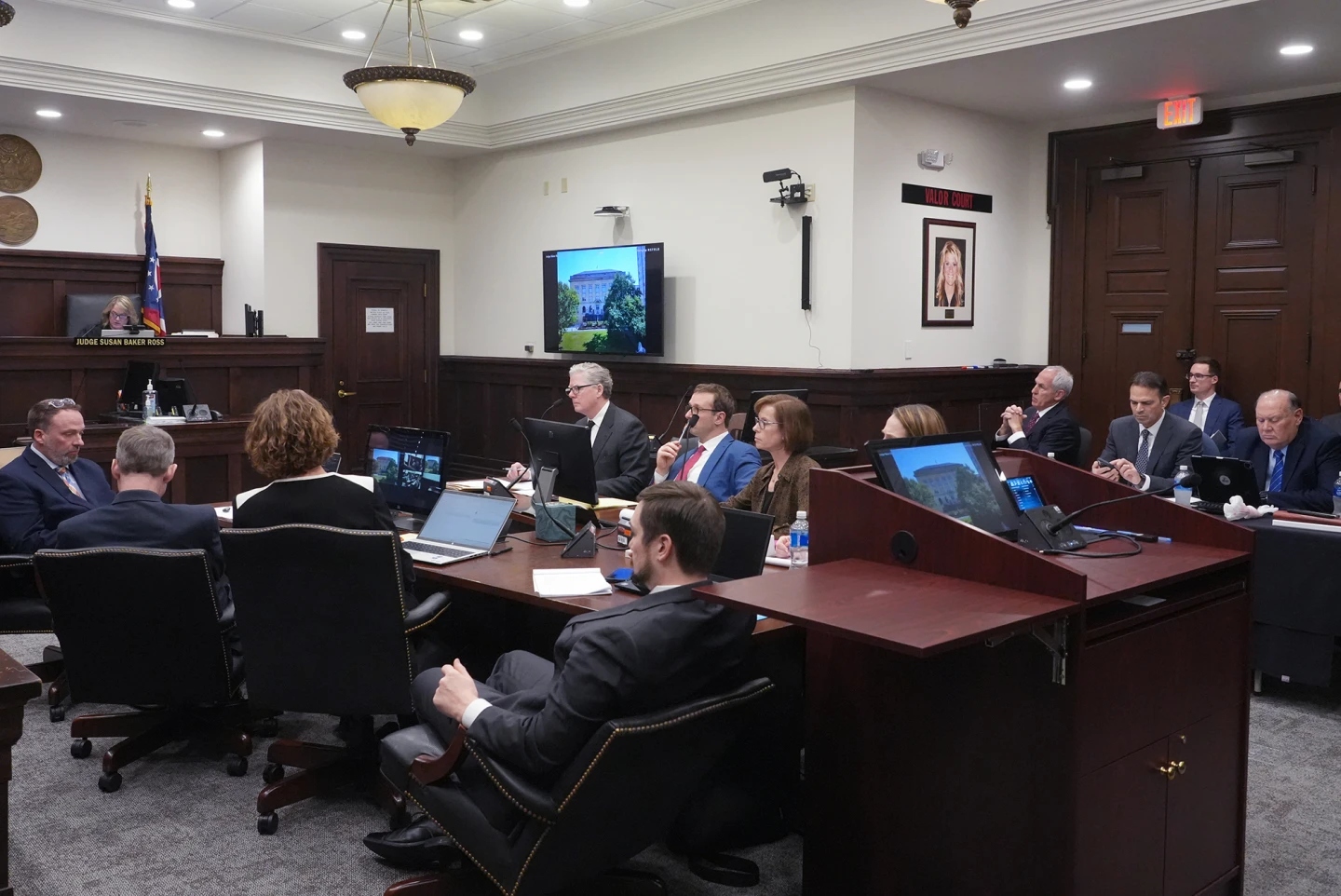
Maria Dearaujo, 63, was found not guilty Tuesday of illegally voting in the 2018 election when she was a lawful permanent resident of the United States. A guilty verdict would have led to up to 18 months in prison for Dearaujo, but Franklin County Common Pleas Judge Chris Brown sided with the defense’s argument of entrapment. This generally entails a government actor leading a person into committing a crime they wouldn’t have otherwise committed. Brown, a Democrat, said Dearaujo’s trial testimony lines up with the documentary evidence. She admitted to 'inconvenient' facts like having voted when she knew she was not a citizen. But she got the idea from and relied on the advice of a Bureau of Motor Vehicles clerk. 'The defendant testified she never thought about voting or intended to vote until a BMV clerk, a government official, told her to register,' Brown said. 'The court finds that Ms. Dearaujo has proven, by a preponderance of the evidence, an affirmative defense of entrapment.'
Dearaujo, who immigrated from Brazil in 1993 and was naturalized as a U.S. citizen 30 years later, clasped her hands in prayer-like fashion when the ruling was announced and seemed to cry. 'Thank you, thank you, thank you,' she said, to both Brown and her public defender, Jason Inman. The verdict makes for a major loss for Ohio Attorney General Dave Yost, a Republican who trumpeted the charges against Dearaujo and five others to reporters at a press conference in October 2024. Yost’s announcement occurred in the early stages of his since-aborted 2026 gubernatorial run and amid a presidential election cycle dominated by Donald Trump’s anti-immigration rhetoric.
Neither the state prosecutor on the case nor Yost’s press team would say whether the office plans an appeal. Yost recently announced plans to resign early from his term, effective June 7, to work for a religious conservative legal advocacy organization. Gov. Mike DeWine has since appointed Andy Wilson, current director of the Ohio Department of Public Safety, to the role of attorney general. Wilson said last week that he’s reviewing all current cases with rank-and-file prosecutors. 'We’re reviewing the ruling,' said Steve Irwin, a Yost spokesperson, when asked for comment on the ruling Tuesday.
Dearaujo’s trial painted a far more nuanced picture of alleged voter fraud than the mosaic offered by conservatives. Rather than any efforts to deceive, the evidence revolved around a woman who spoke broken English and said she only voted after a BMV clerk suggested she could, and stopped doing so when the Secretary of State’s office told her it was illegal. The decision is not a total surprise coming from Brown, who at a pre-trial hearing last year called the timing of Yost’s indictment 'fishy' and accused Yost of using Dearaujo as a 'political prop.' Because Dearaujo waived her right to a trial by jury, she went through a 'bench trial' where a judge decides the outcome.
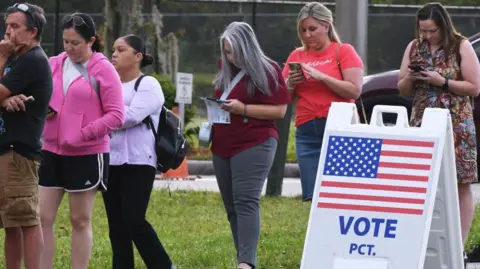
Most of the facts of the case are uncontested. During a 2005 BMV interaction, Dearaujo registered to vote. And a form she signed at the time included a circle around the 'YES' answer to a question of whether she’s a U.S. citizen. She testified that she didn’t circle the box, and the state didn’t summon testimony from the BMV clerk who handled the transaction to confirm or deny. Despite the registration, Dearaujo didn’t vote in the ensuing years. Her vehicle registration expired in 2015, prompting another trip to the BMV. That’s where she says she was told she can vote. Her registration update form includes no answer to the same written question about her citizenship status, and a Franklin County Board of Elections official testified that policy at the time instructed clerks to review old data gathered by the BMV, which led the state to rely on Dearaujo’s 2005 attestation. She voted in the primary and general elections in 2016 and the general election in 2018, in person at the Heritage Free Will Baptist Church on Columbus’ south side.
A subsequent investigation from the Ohio Secretary of State’s office sent in the fall of 2019 informed Dearaujo that she, a noncitizen, voted in the 2018 election illegally. 'I am asking that you complete and return the attached form in order to confirm that you are a U.S. citizen, or cancel your voter registration if you are not a U.S. citizen,' the letter states. Dearaujo didn’t vote again until 2024, when she was a naturalized citizen.
While the acquittal is probably better than a finding of guilt, Dearaujo could still face significant legal consequences from the federal government, said Mark Nesbit, a longtime immigration lawyer. Trial evidence shows Dearaujo, in her 2023 citizenship application, said she had never registered or voted in a U.S. election. Had she said yes, the application would have been rejected. It’s a crime to make false statements on a government form, and a citizen can be denaturalized for making false statements in order to become naturalized. Under Trump’s administration, denaturalization has been ramped up exponentially. Were she convicted, the administration would likely try to denaturalize Dearaujo, which could open the door to deportation or removal. 'I don’t think she’s completely out of the woods,' Nesbit said.
Dearaujo immigrated to Ohio from Arapongas, Brazil in 1993. She overstayed a visa but eventually met a U.S. citizen whom she married in 1997. She voted as a Democrat in 2016 and 2018, and as an independent in 2024. Excerpts of her citizenship application show she became a lawful permanent resident of the U.S. on Nov. 30, 1999. In a brief interview, Dearaujo said she currently works in a factory and has one adult son. While powerful forces were giving her a hard time, she said she hasn’t done anything wrong. 'I don’t feel guilty,' she said.
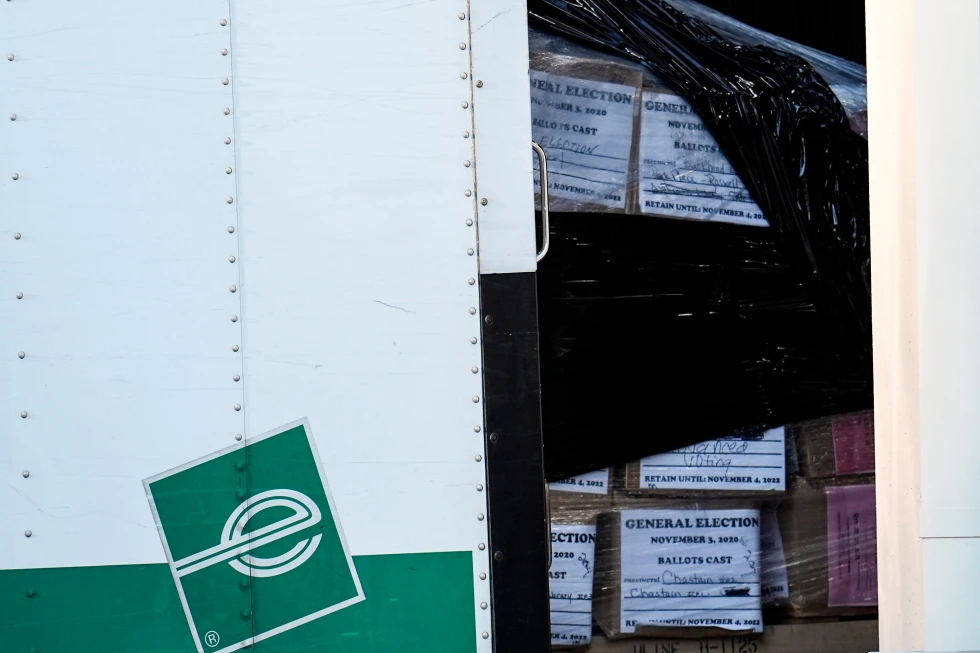
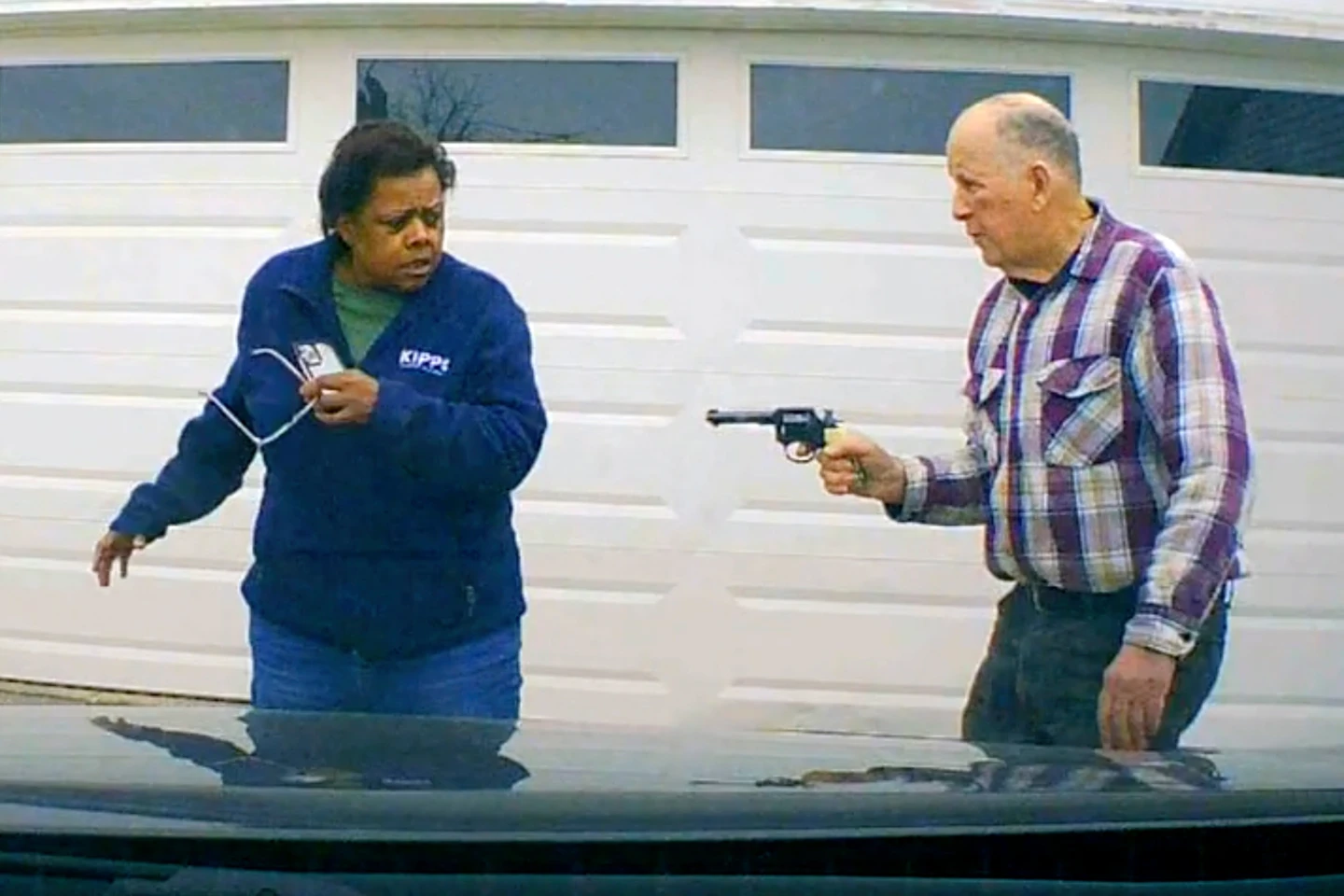
The six illegal voting cases Yost brought in 2024 have drawn poor results. Two cases are pending in Franklin County. One ended in public embarrassment when a Cuyahoga County suspect named by Yost had been dead for more than a year at the time of the indictment. In Summit County, Lorinda Miller, 78, entered an intervention in lieu of conviction. Nicholas Fontaine, a Canadian-born resident, pleaded no contest after two motions to dismiss failed, knowing he could face deportation regardless of sentence. Yost recently announced he would resign to work for a conservative legal advocacy group. This story was originally published by Signal Ohio and distributed through a partnership with The Associated Press.}
Dearaujo, who immigrated from Brazil in 1993 and was naturalized as a U.S. citizen 30 years later, clasped her hands in prayer-like fashion when the ruling was announced and seemed to cry. 'Thank you, thank you, thank you,' she said, to both Brown and her public defender, Jason Inman. The verdict makes for a major loss for Ohio Attorney General Dave Yost, a Republican who trumpeted the charges against Dearaujo and five others to reporters at a press conference in October 2024. Yost’s announcement occurred in the early stages of his since-aborted 2026 gubernatorial run and amid a presidential election cycle dominated by Donald Trump’s anti-immigration rhetoric.
Neither the state prosecutor on the case nor Yost’s press team would say whether the office plans an appeal. Yost recently announced plans to resign early from his term, effective June 7, to work for a religious conservative legal advocacy organization. Gov. Mike DeWine has since appointed Andy Wilson, current director of the Ohio Department of Public Safety, to the role of attorney general. Wilson said last week that he’s reviewing all current cases with rank-and-file prosecutors. 'We’re reviewing the ruling,' said Steve Irwin, a Yost spokesperson, when asked for comment on the ruling Tuesday.
Dearaujo’s trial painted a far more nuanced picture of alleged voter fraud than the mosaic offered by conservatives. Rather than any efforts to deceive, the evidence revolved around a woman who spoke broken English and said she only voted after a BMV clerk suggested she could, and stopped doing so when the Secretary of State’s office told her it was illegal. The decision is not a total surprise coming from Brown, who at a pre-trial hearing last year called the timing of Yost’s indictment 'fishy' and accused Yost of using Dearaujo as a 'political prop.' Because Dearaujo waived her right to a trial by jury, she went through a 'bench trial' where a judge decides the outcome.
Most of the facts of the case are uncontested. During a 2005 BMV interaction, Dearaujo registered to vote. And a form she signed at the time included a circle around the 'YES' answer to a question of whether she’s a U.S. citizen. She testified that she didn’t circle the box, and the state didn’t summon testimony from the BMV clerk who handled the transaction to confirm or deny. Despite the registration, Dearaujo didn’t vote in the ensuing years. Her vehicle registration expired in 2015, prompting another trip to the BMV. That’s where she says she was told she can vote. Her registration update form includes no answer to the same written question about her citizenship status, and a Franklin County Board of Elections official testified that policy at the time instructed clerks to review old data gathered by the BMV, which led the state to rely on Dearaujo’s 2005 attestation. She voted in the primary and general elections in 2016 and the general election in 2018, in person at the Heritage Free Will Baptist Church on Columbus’ south side.
A subsequent investigation from the Ohio Secretary of State’s office sent in the fall of 2019 informed Dearaujo that she, a noncitizen, voted in the 2018 election illegally. 'I am asking that you complete and return the attached form in order to confirm that you are a U.S. citizen, or cancel your voter registration if you are not a U.S. citizen,' the letter states. Dearaujo didn’t vote again until 2024, when she was a naturalized citizen.
While the acquittal is probably better than a finding of guilt, Dearaujo could still face significant legal consequences from the federal government, said Mark Nesbit, a longtime immigration lawyer. Trial evidence shows Dearaujo, in her 2023 citizenship application, said she had never registered or voted in a U.S. election. Had she said yes, the application would have been rejected. It’s a crime to make false statements on a government form, and a citizen can be denaturalized for making false statements in order to become naturalized. Under Trump’s administration, denaturalization has been ramped up exponentially. Were she convicted, the administration would likely try to denaturalize Dearaujo, which could open the door to deportation or removal. 'I don’t think she’s completely out of the woods,' Nesbit said.
Dearaujo immigrated to Ohio from Arapongas, Brazil in 1993. She overstayed a visa but eventually met a U.S. citizen whom she married in 1997. She voted as a Democrat in 2016 and 2018, and as an independent in 2024. Excerpts of her citizenship application show she became a lawful permanent resident of the U.S. on Nov. 30, 1999. In a brief interview, Dearaujo said she currently works in a factory and has one adult son. While powerful forces were giving her a hard time, she said she hasn’t done anything wrong. 'I don’t feel guilty,' she said.
The six illegal voting cases Yost brought in 2024 have drawn poor results. Two cases are pending in Franklin County. One ended in public embarrassment when a Cuyahoga County suspect named by Yost had been dead for more than a year at the time of the indictment. In Summit County, Lorinda Miller, 78, entered an intervention in lieu of conviction. Nicholas Fontaine, a Canadian-born resident, pleaded no contest after two motions to dismiss failed, knowing he could face deportation regardless of sentence. Yost recently announced he would resign to work for a conservative legal advocacy group. This story was originally published by Signal Ohio and distributed through a partnership with The Associated Press.}