In brief
Following the recent changes in U.S. immigration policies under President Trump, naturalized citizens like Dauda Sesay are experiencing heightened fears concerning their status and rights. Navigating the uncertainty of deportation risks, many are hesitant to travel or even move within the country as enforcement actions increasingly target individuals regardless of their citizenship status. Historical contexts surrounding citizenship definitions further complicate these anxieties as communities grapple with what it means to belong.
NEW YORK (AP) — When Dauda Sesay first arrived in the United States as a refugee from Sierra Leone, he envisioned becoming a U.S. citizen as a significant promise binding him to his new home. After years of hard work and adherence to immigration rules, he fulfilled that dream, believing in the protective rights that citizenship would afford him.
However, recent immigration policy changes led by President Trump have left many naturalized citizens, including Sesay, feeling insecure about their status. The growing threat of increased immigration enforcement and efforts to redefine citizenship have generated fear and uncertainty.
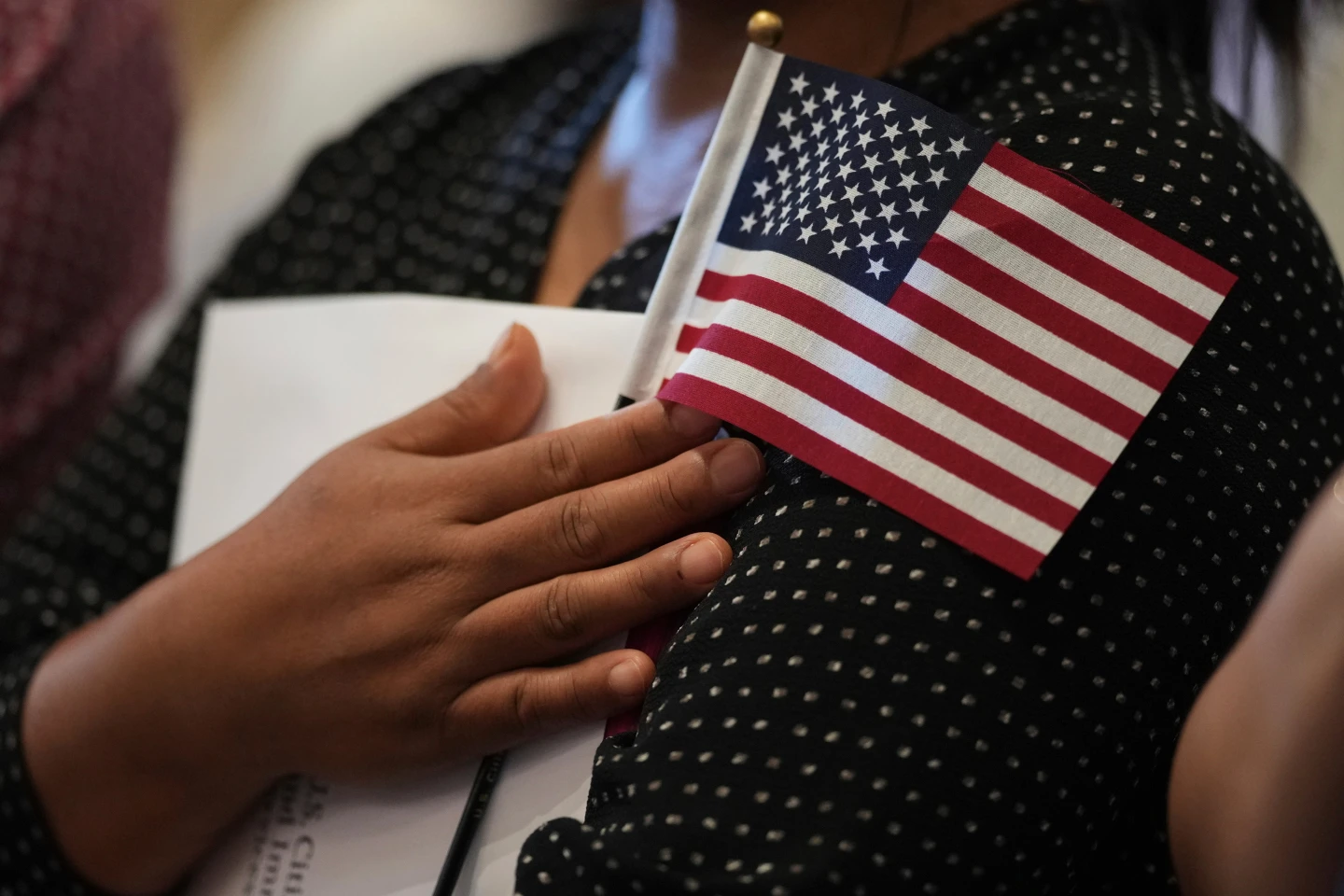
“When I raised my hand and took the oath of allegiance, I truly believed that I belonged,” Sesay reflected. Now, however, that foundational belief is being tested as naturalized citizens fear they might be subjected to questioning and detention just like undocumented immigrants.
Migration enforcement actions, often executed by unidentifiable federal agents, have included American citizens in their dragnet, causing distress among communities. Reports of U.S. citizens being detained underscore the precarious situation, leading individuals to second-guess their travels even within the country.
Recent memos from the Justice Department about increasing efforts to denaturalize immigrants further exacerbate these anxieties. For many, including New Mexico state Senator Cindy Nava, who grew up undocumented and later obtained citizenship, witnessing the fear among her fellow naturalized citizens has been alarming.
Calls for a better understanding of citizenship have become more pronounced, particularly as defining features of American citizenship have evolved—or devolved—significantly throughout history. From early laws favoring ‘free white persons’ to contemporary debates over birthright citizenship, the definition remains in constant flux.
As Sesay grapples with this fear, he articulates a sense of betrayal, lamenting the country he once pledged allegiance to now feels increasingly alien. He embodies a larger narrative of anxiety among many naturalized citizens as they confront a new era of immigration politics.