Washington (AP) — Major changes in immigration enforcement led by Tom Homan have sparked significant tensions within U.S. Immigration and Customs Enforcement (ICE) and the Border Patrol, particularly following the unification of enforcement in Minnesota under ICE after months of internal disagreements. Homan's recent declaration of 'targeted enforcement' aims to move away from broader sweeps increasingly favored by Border Patrol, a shift that follows rising controversies surrounding aggressive enforcement tactics.
Support for ICE is waning nationally, with a growing number of people expressing concerns over its aggressive actions and lawmakers, particularly Democrats, launching attacks on the Department of Homeland Security's enforcement policies. The change in leadership direction, focusing on streamlined operations, highlights a problematic history of friction between agencies as each grapples with implementing President Donald Trump's deportation agenda.
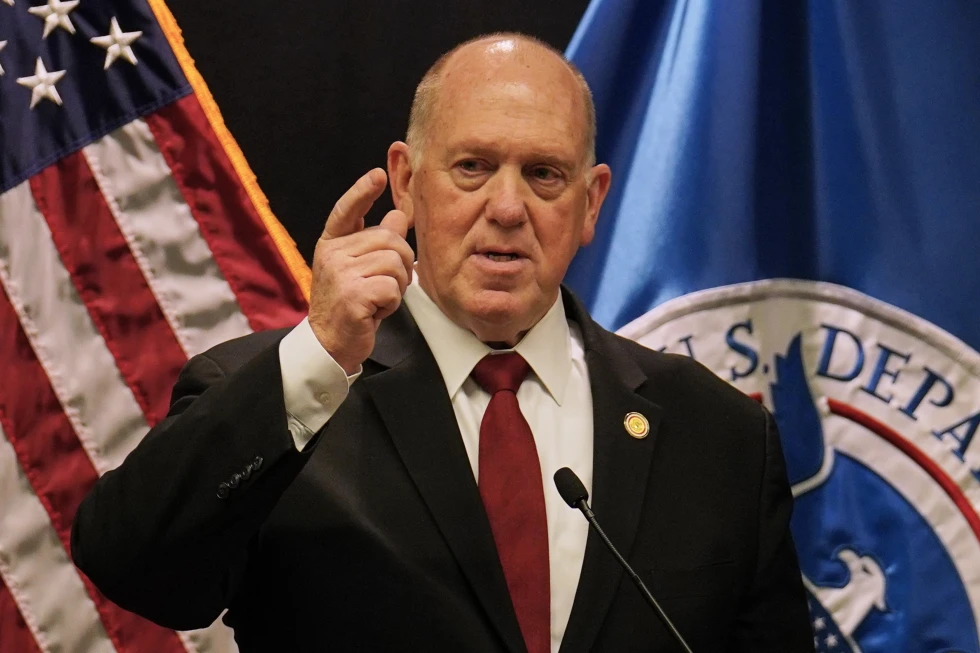
Amid these operations described as successes, issues persist. Homan acknowledged the imperfections in current strategies during a press briefing, suggesting that a more structured approach was required to manage operations effectively. The goal remains to ensure rules are followed while arresting those with serious infractions against immigration laws.
The relationships between ICE and Border Patrol officers have been strained as tactics employed by each diverge significantly. Current and former officials indicate that while ICE typically pursues a more thorough investigation approach, the Border Patrol has adopted aggressive strategies resulting in chaos.
Although the mood in Minneapolis may not have shifted drastically since the leadership change, the presence of ICE continues to induce tension given its past controversial actions. As operations roll out under the newly defined leadership, the immediate consequences of these decisions on community relations and immigration policy remain uncertain.