In brief
Following the US government's expulsion of Ambassador Ebrahim Rasool, South African opposition parties condemned the move as an infringement on national sovereignty. They urged President Cyril Ramaphosa to remain steadfast against US bullying tactics and emphasized the importance of independent governance without foreign interference.
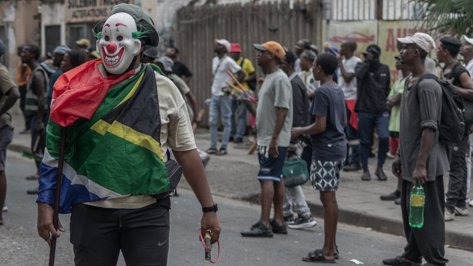
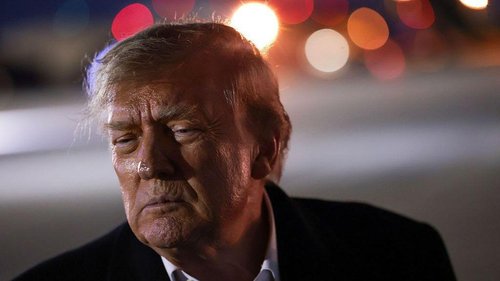
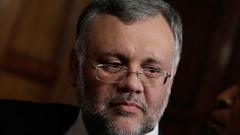
Opposition leaders in South Africa are challenging President Cyril Ramaphosa to stand strong against what they describe as U.S. bullying, following the abrupt expulsion of Ambassador Ebrahim Rasool from Washington. Rasool, a former ambassador under Obama and recently appointed again in 2024, has faced backlash, particularly from U.S. Secretary of State Marco Rubio, who labeled him a "race-baiting politician who hates America."The decision and its underlying tensions highlight a fractious period in South African-U.S. relations, which have deteriorated since Donald Trump's presidency. Minister of International Relations Ronald Lamola criticized the approach of "Twitter diplomacy," advocating for a more personal dialogue between nations to resolve issues.The Economic Freedom Fighters (EFF), led by Julius Malema, voiced more pointed criticism, urging Ramaphosa to refuse to concede to what they termed the "orange clown" in the White House. Pan Africanist Congress Secretary General Apa Pooe echoed similar sentiments, asserting South Africa's right to self-govern without U.S. interference, especially regarding contentious subjects such as South Africa’s land reform policy.Compounding the situation, Trump had previously cut aid to South Africa, asserting injustices against the country's white Afrikaner minority—a claim that South Africa has vigorously denied. Internal dynamics have also surfaced, with the Democratic Alliance (DA) questioning the African National Congress's (ANC) unilateral control over foreign diplomatic appointments despite their minority status in government.As diplomatic tensions escalate, calls for a more collaborative approach in U.S.-South African relations appear essential to navigating the complexities of international diplomacy in a changing geopolitical landscape. The absence of the ambassador's effectiveness in light of his advocacy for pro-Palestinian politics further complicates the current political climate.