In brief
In a stunning comeback, Lula secured Brazil’s presidency through a fiery campaign that defied U.S. influence, earning him both respect and criticism from former President Trump. The victory reshapes U.S.-Brazil ties, as Lula’s anti‑tariff stances and public opposition to Washington’s interference clash with America’s “Shield of Americas” doctrine. While diplomatic engagements have softened, tensions over trade, security and political meddling linger, hinting at a complex future in Latin America’s geopolitics.
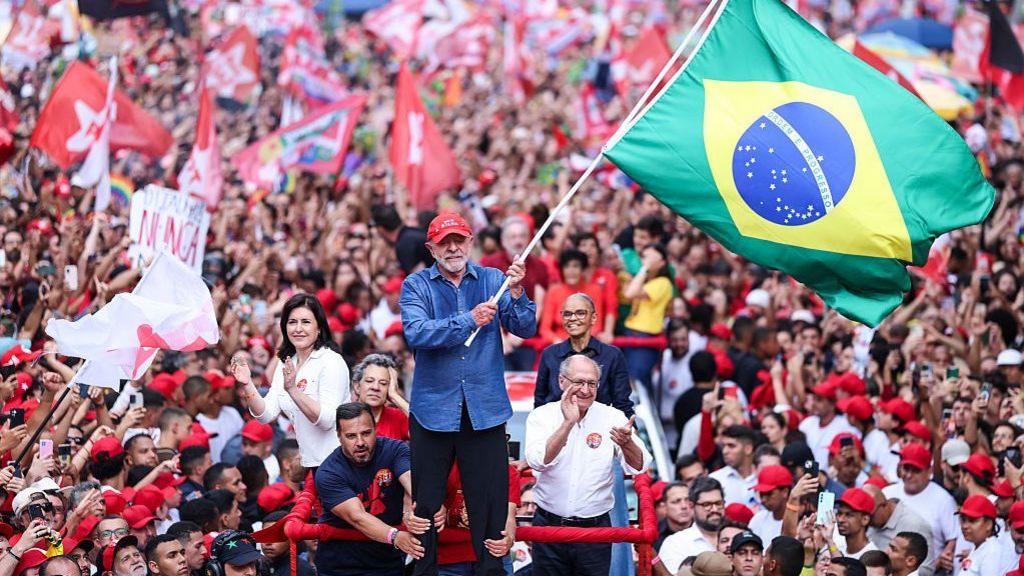
“Brazil will not accept being anyone’s backyard,” Lula declared during his victory speech, a pointed jab at Washington’s perceived interference.
The president’s defiance resonated with a nation proud of its sovereignty, echoing the same themes that carried him from union leadership to the palace.
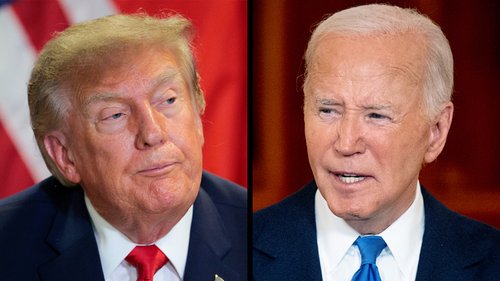
In a surprising twist, former U.S. President Donald Trump acknowledged the outcome, saying “I like Lula, we get along well,” yet immediately dismissed the election as “terrible” and “rigged.”
Tensions had peaked before the contest when the United States imposed tariffs on Brazilian commodities in retaliation for the Bolsonaro family’s political turmoil. Lula’s campaign seized the moment, delivering fiery speeches on national pride, denouncing U.S. interference in Brazil’s judiciary, and wearing a blue cap emblazoned with “Brazil belongs to Brazilians.”
The bold rhetoric pushed Lula’s approval ratings skyward, forcing the Bolsonaro camp to face criticism domestically. In the wake of the election, the U.S. eased the tariffs, and the two leaders met at the United Nations and later in the Oval Office, where Trump praised the talks as “very good.”
Nevertheless, the relationship remains fragile. Brazil has accused Washington of sowing distrust in its electoral system and has rebuffed visa requests for U.S. officials, leading the U.S. to revoke a Brazilian ambassador’s visa. Lula’s hard‑line stance on U.S. military interventions in the region and his opposition to U.S. sanctions against Brazilian groups further strain ties.
Against this backdrop, Latin America has largely aligned with Trump’s “Donroe Doctrine,” enlisting leaders like those in Ecuador, Chile, and Colombia, while Brazil’s pivot may signal a new, more independent trajectory for the continent.
With four years ahead, the future of U.S.–Brazil relations will hinge on whether Washington continues to meddle in domestic politics or respects Lula’s sovereignty and Brazil’s significant economic clout, including its rare earth mineral reserves and burgeoning digital payment landscape.