In brief
President Trump claims Elon Musk has lifted the slowdown on Ukraine’s Starlink service, pivotal for battlefield communications. Ukraine’s leader Zelensky had noted the speeds were still lagging, prompting diplomatic appeals. The move stirs debate over US policy and private space tech’s role in conflict, as sanctions on Russia ease ahead of elections.
President Donald Trump has publicly asserted that Elon Musk has restored full Starlink internet access to Ukraine after a marked slowdown.
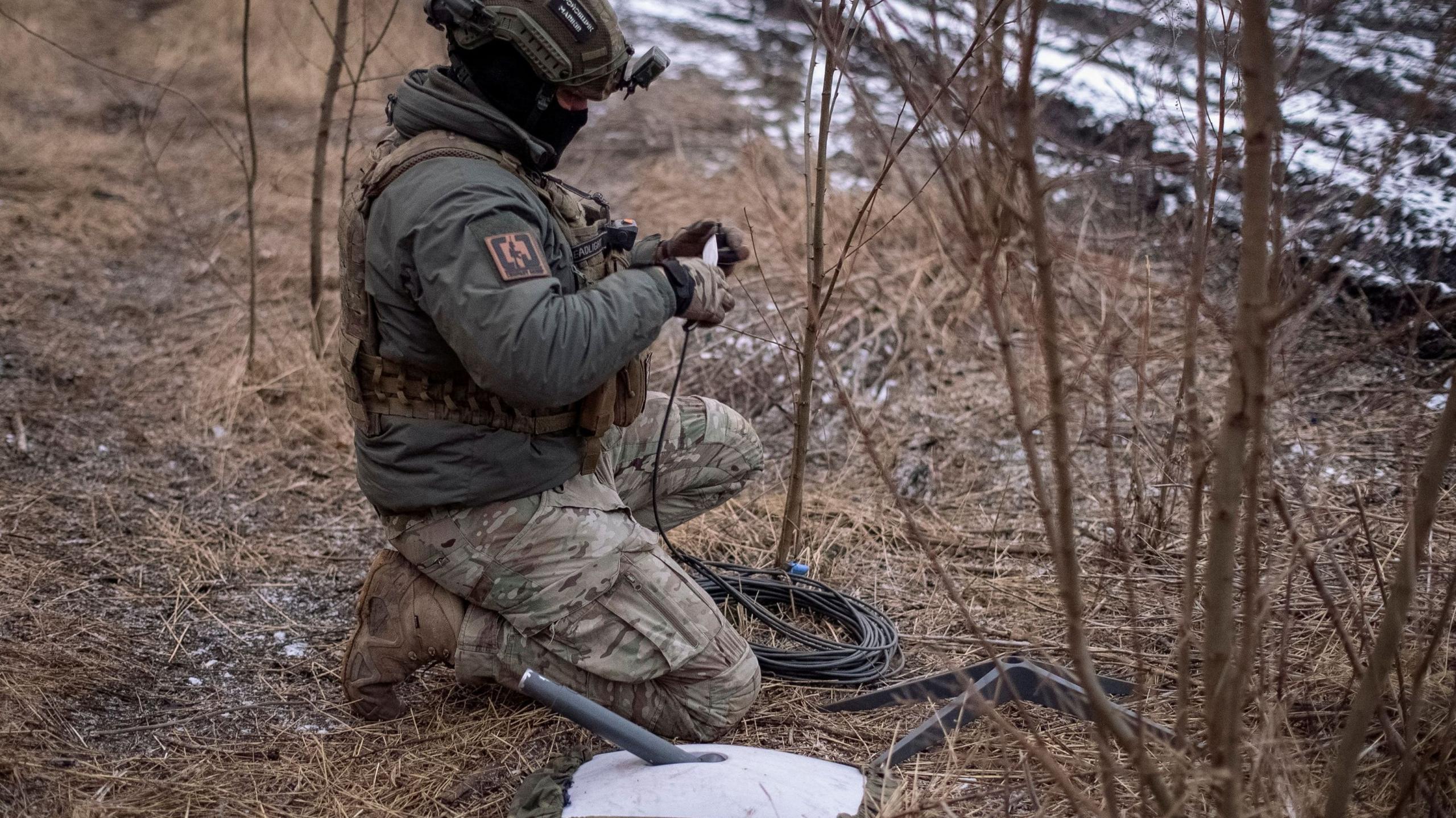
Starlink, a satellite‑based system owned by SpaceX, has been essential for Ukrainian forces, enabling battlefield communications and drone operations. In the weeks before the claim, the service—restricted by Trump’s administration—had reduced speeds that hampered Ukrainian drone strikes and early‑warning systems.
Earlier this week, Ukrainian President Volodymyr Zelensky noted that the speed improvements were still incomplete and pledged that he would seek further resolution from U.S. officials.
Trump officials said they had called Musk to reverse the limits, noting the impact on Ukraine’s defense capabilities. Musk has previously denied responsibility for the slowdown, suggesting that any restrictions were driven by national‑security concerns or U.S. policy decisions.
While the U.S. has lifted some sanctions on Russia amid upcoming midterm elections, the Starlink controversy has drawn criticism from Ukraine and European partners, who view the service as a lifeline on the front line.
The discussion underscores the growing entanglement of private space technology and geopolitics, as the Pentagon and U.S. policymakers wrestle over military‑grade satellite networks like Starshield, a variant of Starlink used by Ukrainian forces.
Sources say the Government has not confirmed the Wall Street Journal’s claim that Trump’s call to Musk lifted the restriction, indicating an ongoing debate over the true status of Ukraine’s satellite connectivity.