In brief
A U.S. magistrate has set a firm deadline for former President Donald Trump to sit for a deposition in his defamation lawsuit against the BBC. The order comes after Trump withdrew a previous deposition, citing “matters of national importance,” while campaigning in Georgia. The case centers on a BBC Panorama program that edited Trump’s 2021 Capitol‑riot speech, leading the broadcaster to apologize for an erroneous impression of a call for violence. Trump’s lawyers concede the episode was not widely available in the U.S., and the BBC seeks dismissal of the suit.
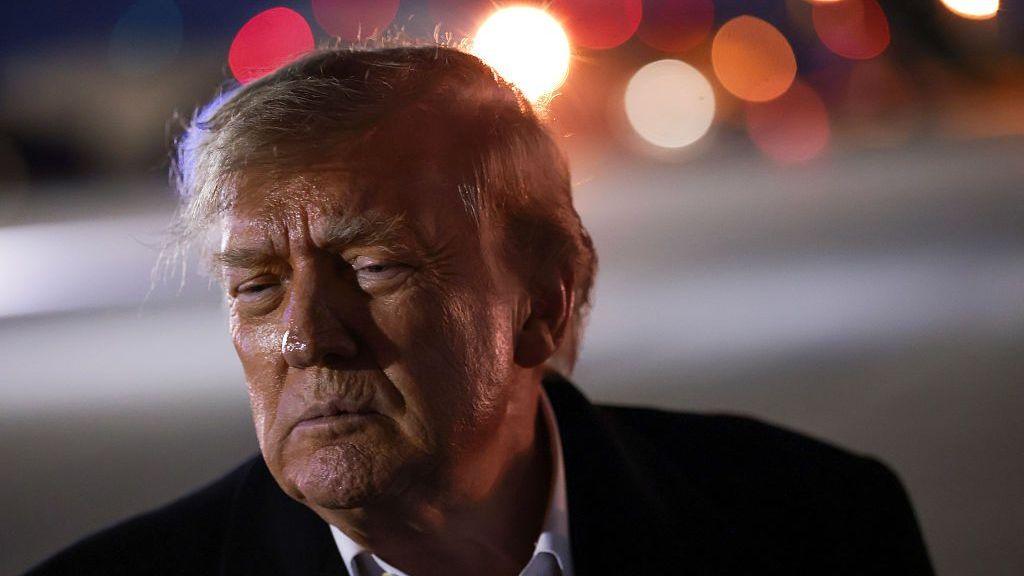
In a decisive move, United States Magistrate Judge Enjoliqué Lett has ordered former President Donald Trump to complete a deposition under oath in his defamation lawsuit against the BBC by 11 December. The judge’s ruling follows Trump’s last‑minute cancellation of an earlier deposition on 16 October, when he said “matters of national importance” demanded his attention while campaigning in Georgia.
The case hinges on a BBC Panorama segment that selectively assembled two parts of Trump’s October 2021 speech outside the U.S. Capitol, creating a misleading impression that the former president urged violent action. After the broadcaster issued an apology, it later sought dismissal of the lawsuit, arguing the programme failed to meet U.S. defamation standards and was not available to American viewers.
Trump’s legal team conceded that the BBC’s BritBox service, its website, or any U.S. broadcasters had not made the episode accessible in the United States. Despite this, he claims the BBC “intentionally, maliciously, and deceptively” distorted his remarks, and the judge has left no room for discovery to expand beyond the current deadline.
The deposition deadline arrives as Trump continues to hold rallies and fundraisers across the South, including launches in Dalton, Georgia and at his Mar‑a‑Lago residence. A resolution before the end of the discovery period will determine whether the case proceeds to trial or settles, with implications for media accountability and presidential defamation jurisprudence.