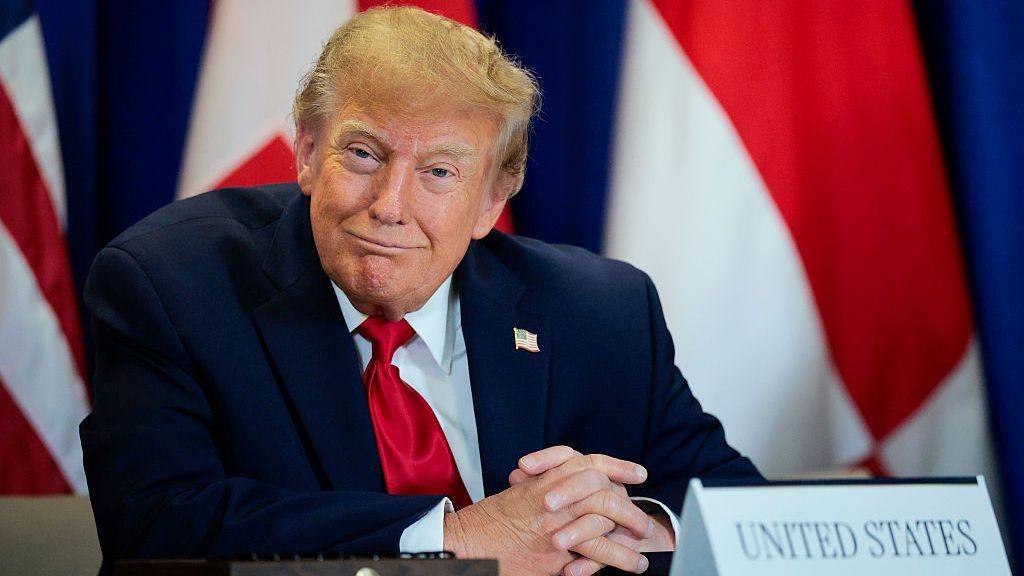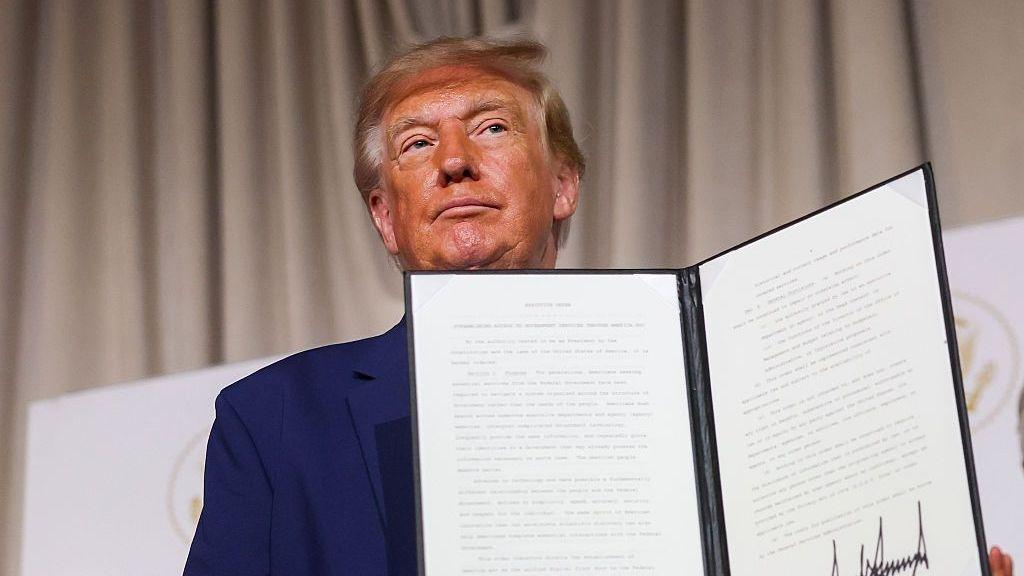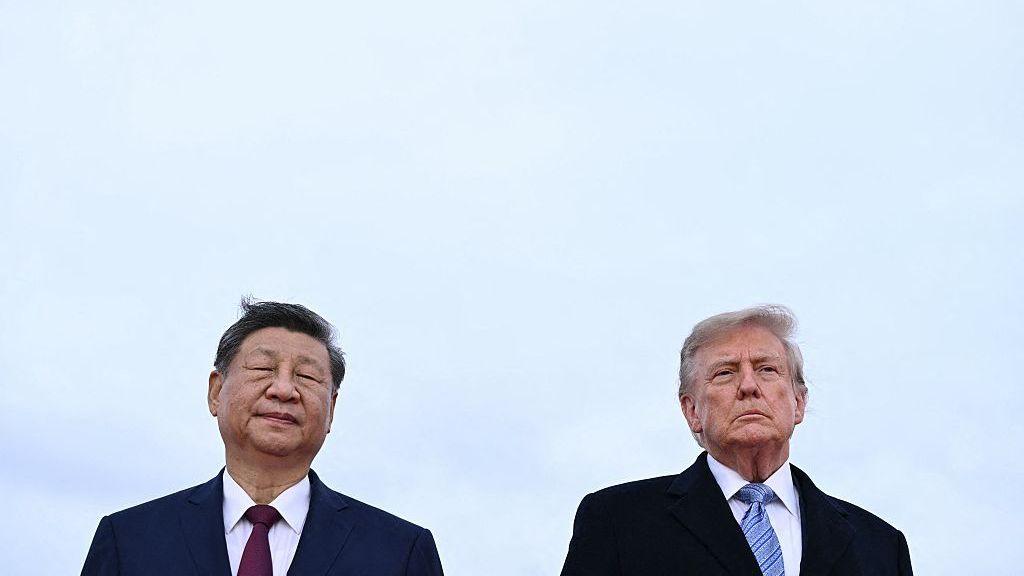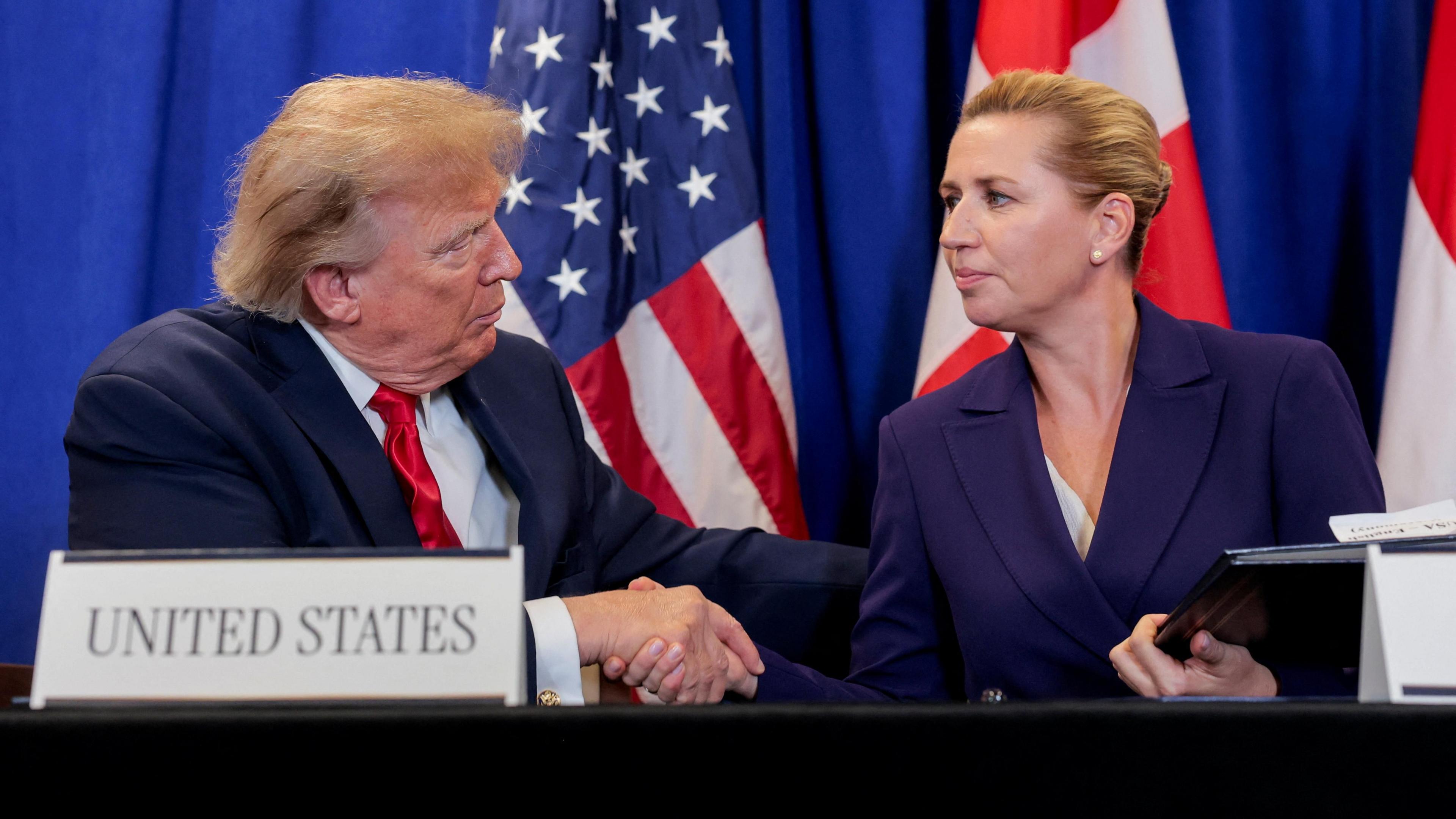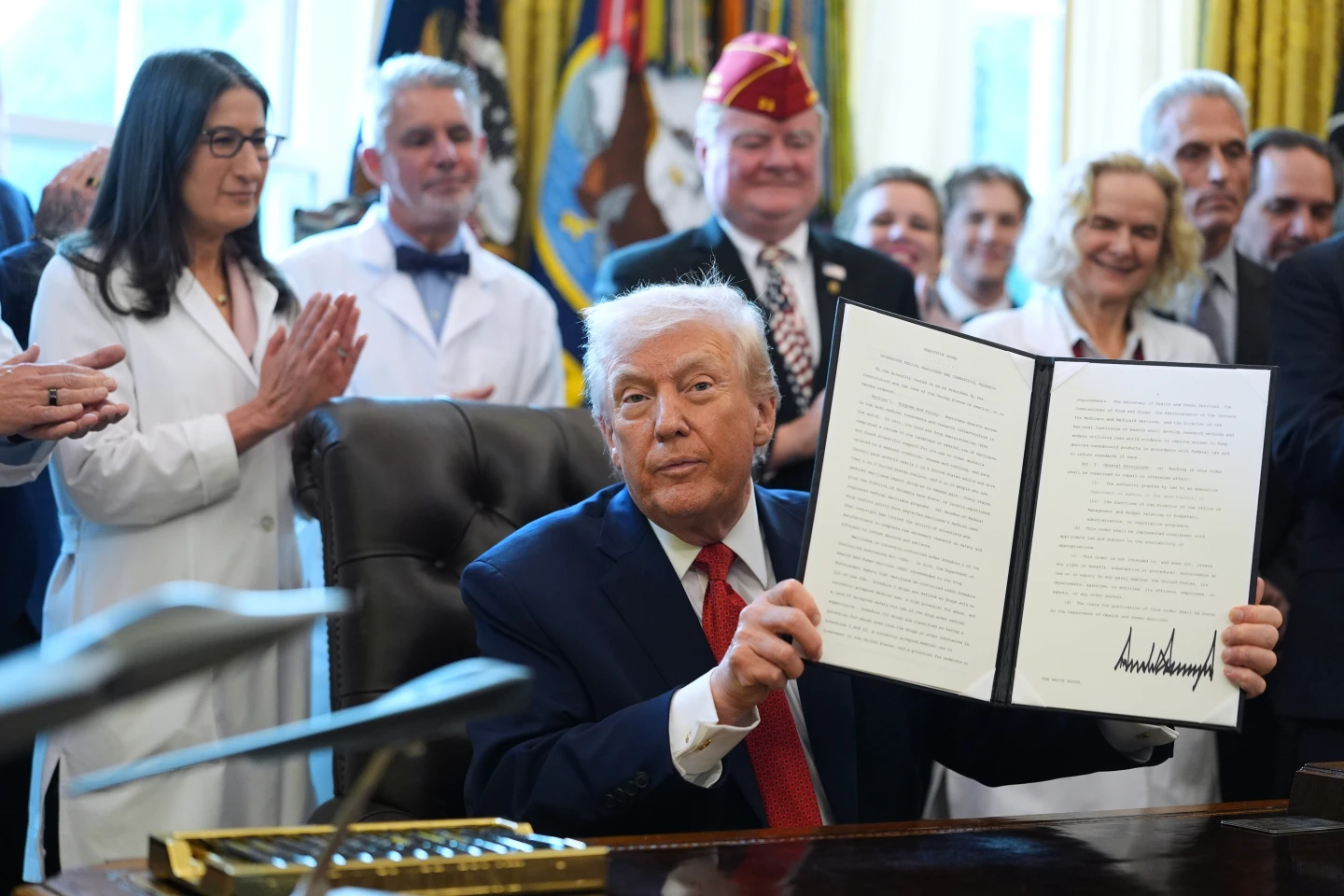
President Donald Trump has taken a definitive step in reshaping U.S. drug policy by signing an executive order aimed at reclassifying marijuana. This move could shift the drug from a Schedule I classification, which includes substances like heroin, to a Schedule III designation, similar to ketamine and certain anabolic steroids.
While not completely legalizing recreational use, reclassification could simplify regulation and reduce tax burdens impacting the growing cannabis industry. Trump mentioned that the decision comes after receiving numerous calls from supporters advocating for this change, particularly emphasizing its potential benefits for patients experiencing significant pain.
The action has stirred responses within the Republican party, with some members expressing strong opposition to altering the current classification of marijuana. However, Trump's executive order signals a growing trend, as many states have already legalized cannabis for medical and in some cases recreational use.
Polling data indicates that public support for legalization has surged, rising from 36% in 2005 to 68% recently. Alongside this, Trump's order also aims to broaden research on CBD, with provisions allowing seniors to access CBD products at no cost if recommended by a healthcare professional.
Despite strong opposition from certain lawmakers concerned about the implications of rescheduling marijuana, Trump’s directive is seen as a crucial measure for encouraging further investigation into cannabis's potential medical applications.