In brief
In federal court, Brian Ballard shared that he ended ties with David Rivera after learning about a $50 million contract Rivera obtained from Venezuela's government. During Rivera's trial for allegedly lobbying for Maduro without proper registration, Ballard testified about their previous collaborations and his disillusionment upon discovering Rivera's actions. The trial unveiled links among lobbyists, political figures, and foreign influences on U.S. policies regarding Venezuela.
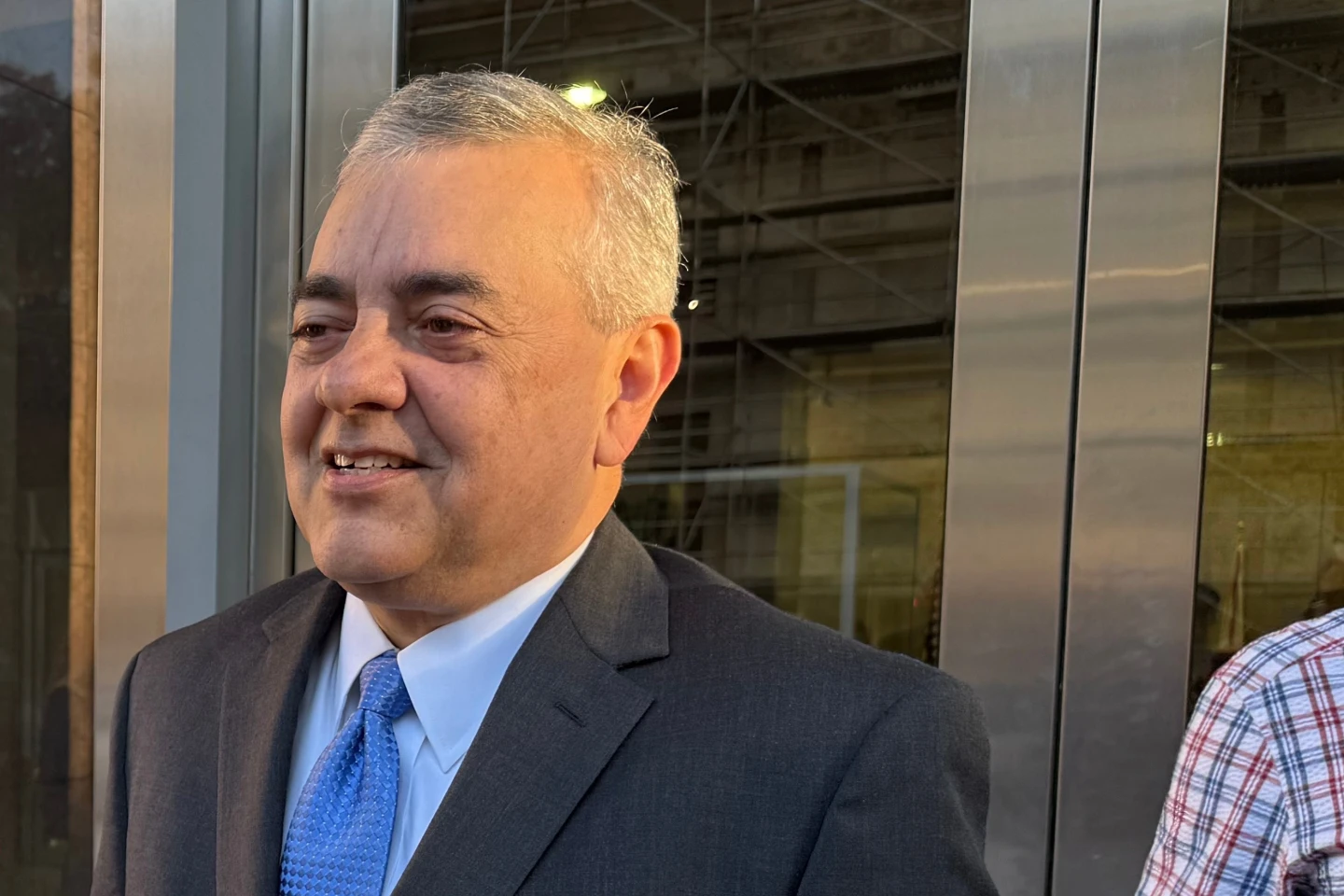
MIAMI (AP) — In a revealing testimony at a federal trial, prominent lobbyist Brian Ballard disclosed that he immediately severed ties with former Congressman David Rivera upon discovering the latter's involvement in a $50 million contract awarded by the Venezuelan government. This contract undermined Ballard's belief that they were collaborating to expedite the fall of Nicolás Maduro, Venezuela’s president.
Ballard, alongside Florida's Secretary of State Marco Rubio, emerged as a key witness in Rivera's trial, which revolves around accusations of him lobbying for Maduro's regime without registering as a foreign agent. This trial is shedding light on the interconnected web of covert lobbying efforts in Washington, D.C., involving high profile figures and foreign interests.
The intricate web of relationships and actions suggests that Rivera may have shifted from being a political ally to leveraging his connections to champion Maduro's interests after leaving Congress. Ballard's testimony, which included text messages and lobbying records, highlighted his growing distrust of Rivera and ultimately led him to block further communication.
Rivera remains adamant in his defense, claiming he served merely as a business strategist for a U.S. affiliate of Venezuela’s state oil company, asserting that this role exempts him from the Foreign Agents Registration Act (FARA).
During his testimony, Ballard, who gained prominence within the lobbying circles during Trump's administration, presented the challenges and intricacies of navigating relationships with both Venezuelan opposition figures and political Ally Rivera. This included endorsing a controversial media tycoon for U.S. lobbying efforts connected to Venezuela.
As the trial progresses, it underscores the complexities of foreign influence in U.S. politics, with many advocating for and against the strategies concerning Venezuela while grappling with legal ramifications and allegations of misconduct. The interplay between politics, lobbying and international relations continues to be scrutinized, revealing a sector rife with ethical dilemmas and legal challenges.