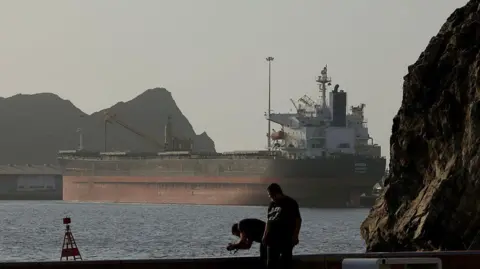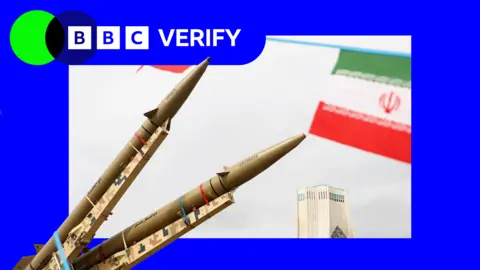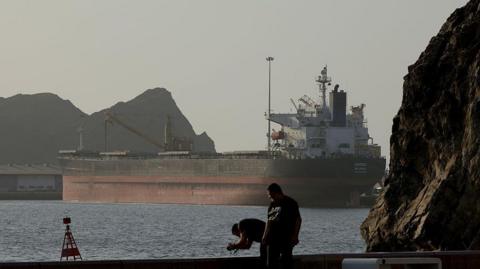
US President Donald Trump has threatened to take out Iran 'in one night' if it fails to make a deal before the deadline he set for Tehran to reopen the Strait of Hormuz, a critical global energy route. Trump's deadline for an 'acceptable' deal - one that includes the free flow of energy through the Gulf - is set for 20:00 EDT (01:00 GMT) on Tuesday.
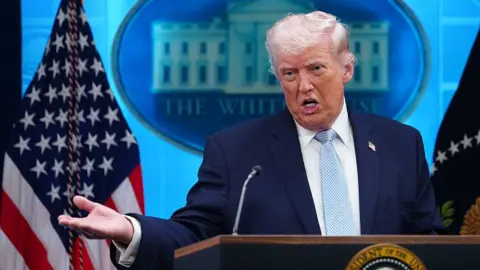
Speaking at the White House on Monday, Trump said that he believed 'reasonable' leaders in Iran were negotiating in 'good faith,' but the outcome remained uncertain.
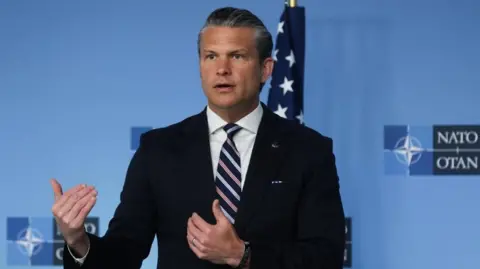
Iran has so far rejected proposals for a ceasefire, calling instead for an immediate end to hostilities and the lifting of sanctions. Trump's remarks were shared during a news conference held alongside General Dan Caine, the chairman of the Joint Chiefs of Staff, and Defense Secretary Pete Hegseth, occurring just days after US forces successfully recovered two crew members of an F-15 fighter jet that was downed in southern Iran.
Much of the conference highlighted what Trump described as the 'heroic' rescue of the crew, but he reiterated his warning that the US could launch attacks on Iran's energy and transportation infrastructure if the Strait of Hormuz was not reopened by the deadline.
'The entire country can be taken out in one night – and that night might be tomorrow night,' Trump said on Monday. Following the deadline, Trump claimed Iran would return to the 'Stone Ages,' stating that they would be left without bridges or power plants.
Despite Iran's earlier rejection of US demands, Trump expressed optimism regarding negotiations, claiming Iran was negotiating in good faith. He emphasized that meaningful progress in negotiations was unlikely to happen without an initial ceasefire, according to a regional official familiar with the discussions.
Efforts to mediate the situation have involved Pakistan, Turkey, and Egypt, although communication difficulties amidst an ongoing blackout have complicated discussions.
Legal experts warn that sustained attacks on Iranian infrastructure could constitute war crimes, yet Trump remains unfazed, insisting that Iran's population would be willing to suffer for freedom, even though toppling the government is not his intention.
In addition to assessing the military situation, Trump criticized US allies, including the UK and NATO, asserting that their lack of support during the conflict was a mark that would 'never disappear.'
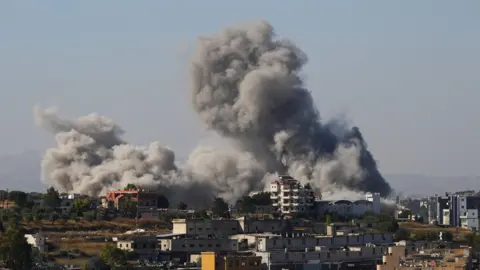
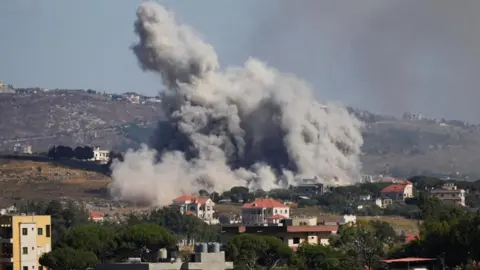
American forces have reportedly conducted over 13,000 strikes across Iran since the conflict began.
Speaking at the White House on Monday, Trump said that he believed 'reasonable' leaders in Iran were negotiating in 'good faith,' but the outcome remained uncertain.
Iran has so far rejected proposals for a ceasefire, calling instead for an immediate end to hostilities and the lifting of sanctions. Trump's remarks were shared during a news conference held alongside General Dan Caine, the chairman of the Joint Chiefs of Staff, and Defense Secretary Pete Hegseth, occurring just days after US forces successfully recovered two crew members of an F-15 fighter jet that was downed in southern Iran.
Much of the conference highlighted what Trump described as the 'heroic' rescue of the crew, but he reiterated his warning that the US could launch attacks on Iran's energy and transportation infrastructure if the Strait of Hormuz was not reopened by the deadline.
'The entire country can be taken out in one night – and that night might be tomorrow night,' Trump said on Monday. Following the deadline, Trump claimed Iran would return to the 'Stone Ages,' stating that they would be left without bridges or power plants.
Despite Iran's earlier rejection of US demands, Trump expressed optimism regarding negotiations, claiming Iran was negotiating in good faith. He emphasized that meaningful progress in negotiations was unlikely to happen without an initial ceasefire, according to a regional official familiar with the discussions.
Efforts to mediate the situation have involved Pakistan, Turkey, and Egypt, although communication difficulties amidst an ongoing blackout have complicated discussions.
Legal experts warn that sustained attacks on Iranian infrastructure could constitute war crimes, yet Trump remains unfazed, insisting that Iran's population would be willing to suffer for freedom, even though toppling the government is not his intention.
In addition to assessing the military situation, Trump criticized US allies, including the UK and NATO, asserting that their lack of support during the conflict was a mark that would 'never disappear.'
American forces have reportedly conducted over 13,000 strikes across Iran since the conflict began.