Trump Issues New Executive Orders Targeting Birthright Citizenship
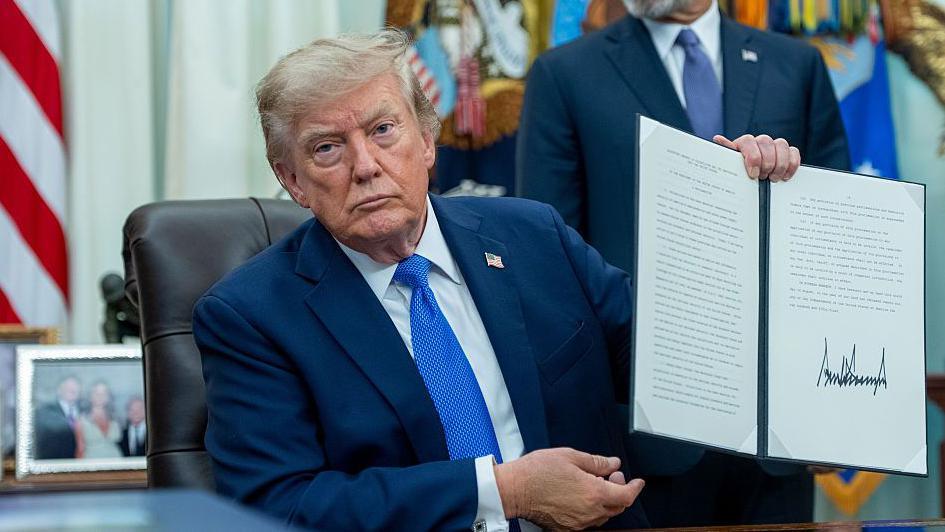
In a move that echoes the President’s long‑standing objections to people born in the United States automatically becoming citizens, Trump signed two executive orders Thursday that aim to tighten rules around birthright citizenship and curb birth tourism.
The first order expands the definition of parents whose children are ineligible for automatic citizenship. It now includes parents who are members of foreign terrorist groups, foreign government employees, have tried to obtain citizenship fraudulently, or reside in U.S. territories where citizenship is not granted under federal law. The order is presented as a safeguard against “malign foreign actors” seeking to obtain American citizenship via the U.S. birthright system.
The second order bans so‑called birth tourism. The practice—where women enter the U.S. while pregnant to give birth and secure citizenship for their newborn—will now be prohibited. Trump, speaking from the Oval Office, called the move a long‑awaited correction, stating that “hundreds of thousands of babies have been born through birth tourism in the U.S.”
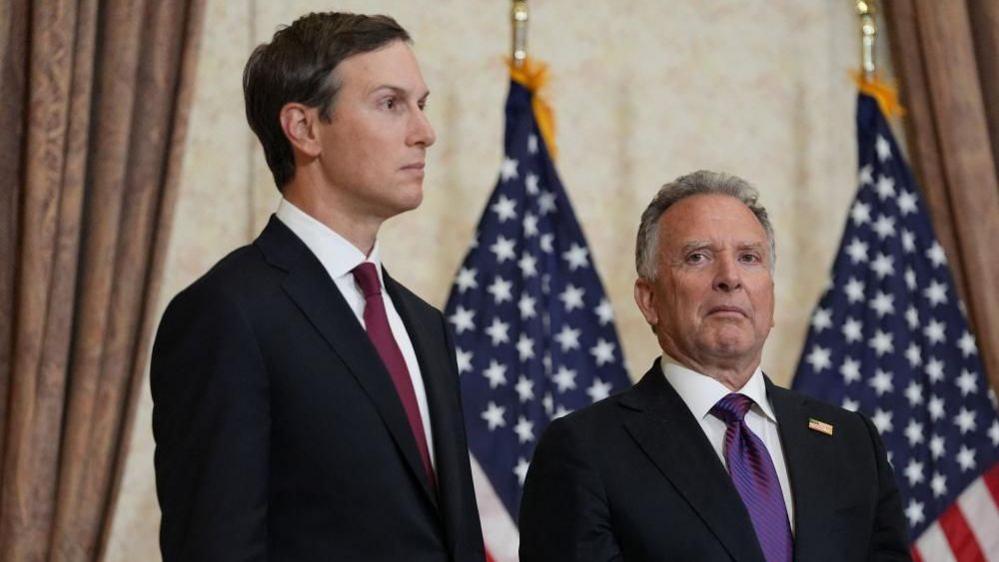
Migration Policy Institute estimates 22,000 to 26,000 children are born annually through birth tourism, while government data shows 9,600 births to mothers with foreign addresses in 2024. “They come here pretending to be tourists, but the real reason is to have a child who becomes an automatic citizen,” said Stephen Miller, White House deputy chief of staff for policy.
The orders come after a Supreme Court decision in June that struck down Trump’s 2025 attempt to eliminate birthright citizenship entirely. Trump called the ruling “a bad, very unfair decision,” and vowed to enforce his new policies. Legal analysts note that while the President can restrict who enters the U.S. for the purpose of having a child, he cannot retroactively strip citizenship from a child already born in the country.
“But once it happens, once a child is born in the United States, I don’t think the president has any power to decide that that child is not a citizen,” said Professor Gabriel Chin of the University of California, Davis Law School.
Chin argued the orders may face constitutional scrutiny, with birth tourism described as a “drop in the bucket” compared to the millions of births in the U.S. “It’s an unusual phenomenon,” he added. The administrations’ attempts to limit citizenship eligibility continue to generate legal debate as the country monitors how the new rules will be implemented and enforced.