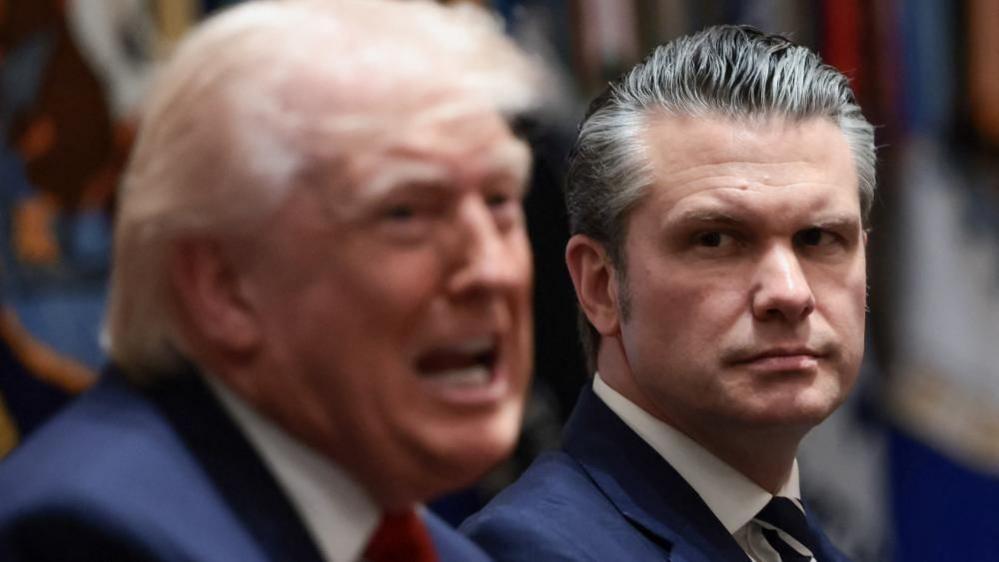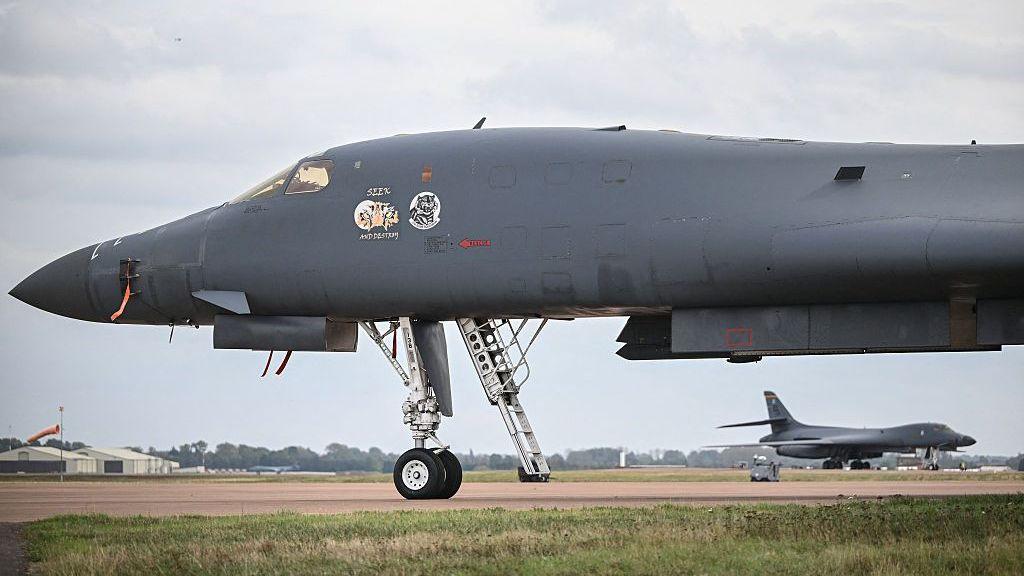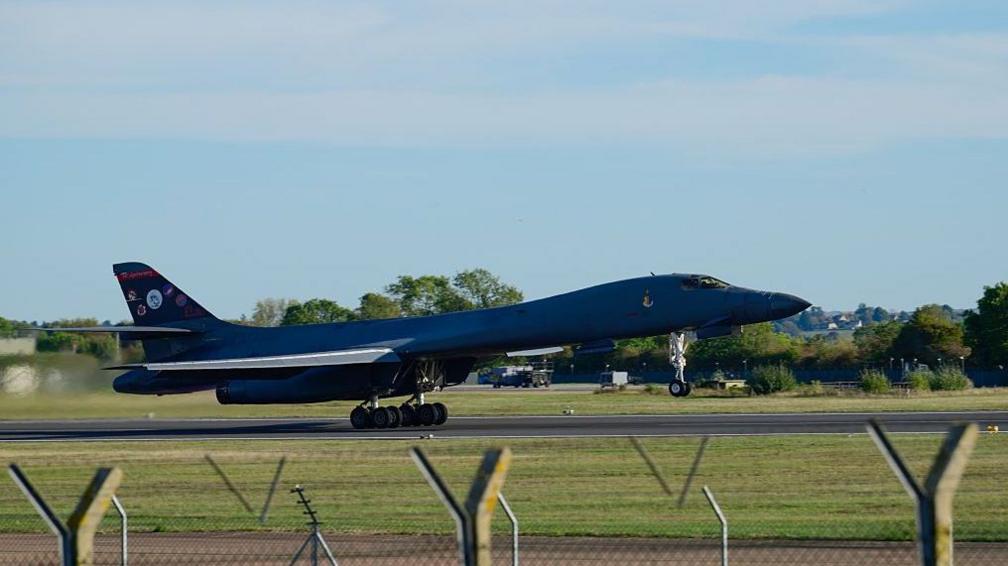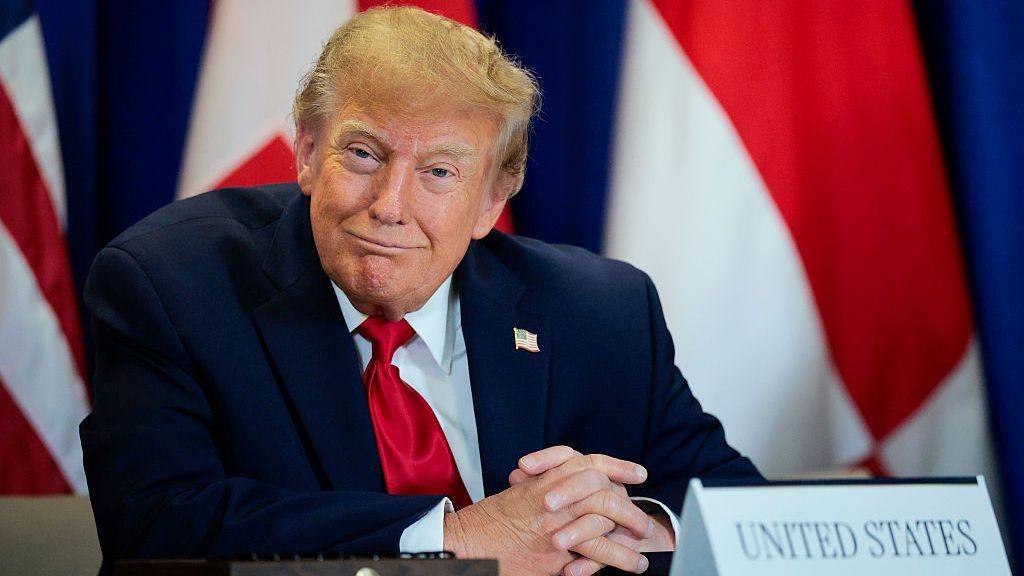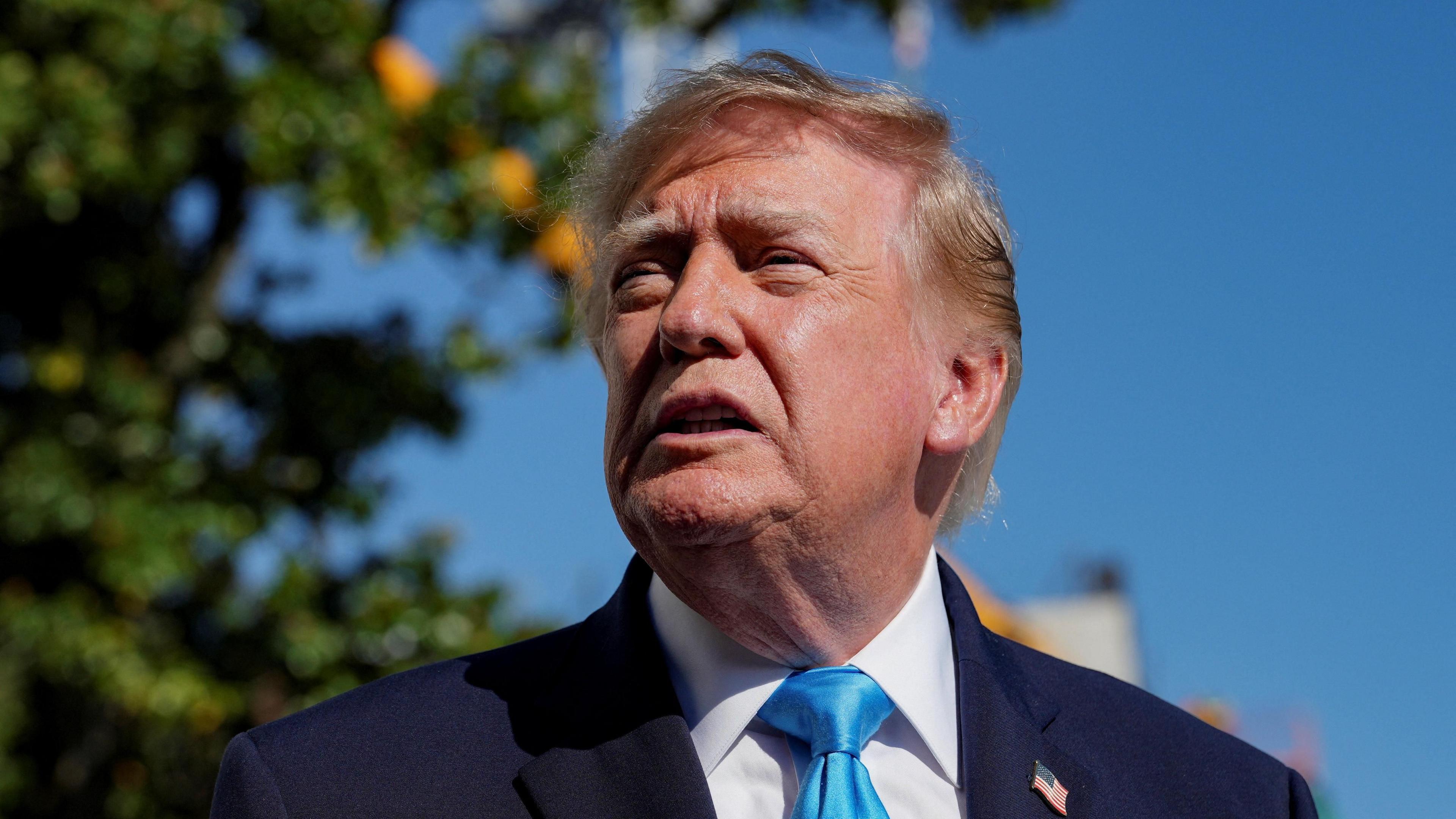
US President Donald Trump has said the United States moved its bombers out of RAF Fairford because of “some threats” to the base.
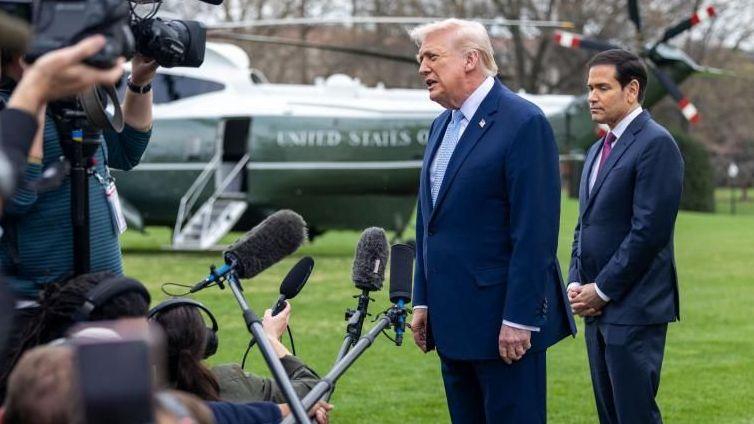
Speaking to reporters at the White House before boarding Marine One for a trip to Nebraska, Trump claimed that Washington was aware of a threat that prompted the removal of roughly a dozen B‑1 strategic bombers.
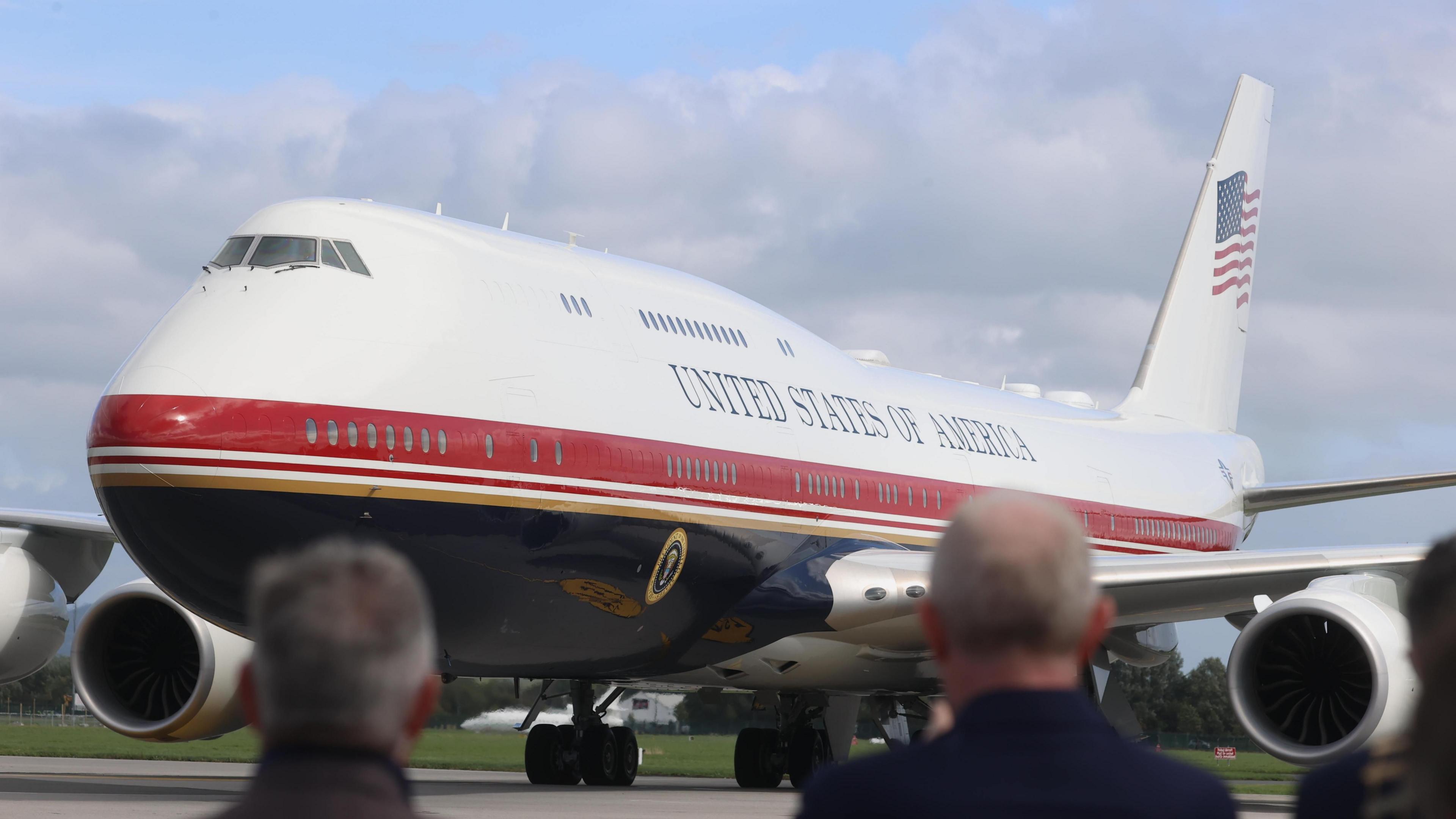
The Pentagon confirmed the redeployment on Sunday, stating the aircraft were returned to their home bases in America.
"And rather than tempting the enemy, we'll capture the enemy and beat the enemy," Trump told reporters outside the White House."We actually know the people that made the threat," he added, although he did not name them.
The decision comes after a major incident on 27 September when police were alerted to three “suspicious vehicles” near the airbase. Five men were initially arrested on terror‑related charges, later released on bail, while a sixth, a UK‑Iranian national, was also detained and released.
Whitehall sources have confirmed that removing the bombers was a response to the incident, yet other US officials have said the move was precautionary rather than a direct reaction to the arrests.
Secretary of State Marco Rubio stated he could not directly link the bombers’ relocation to the Fairford incident, noting that asset movements often occur for exercises, redeployments, and personnel changes. He expressed confidence in the security of US bases in the UK and praised British cooperation.
Vice President John D. Vance likewise described the action as an “abundance of caution” and suggested that Iran was likely involved, citing a historical pattern of the country’s support for terrorism.
What this means for UK‑US relations
The brief withdrawal illustrates growing security concerns surrounding overseas US military bases. While the RAF Fairford base remains operational, the temporary move of B‑1 bombers underscores the importance the United States places on ensuring the safety of its aircraft and personnel in the face of potential threats.
With tensions high in the Middle East and increasing counter‑terrorism scrutiny, this incident may prompt further discussions on joint security protocols between the UK and US governments.