In brief
Following a BBC investigation, significant evidence has emerged alleging that Greek police are using migrants as 'mercenaries' to forcibly push back other migrants at the Turkish-Greek border. Reports detail abuse, including physical violence and sexual assault by these 'mercenaries', raising critical ethical and legal questions regarding Greece's handling of immigration and border security. The Greek government denies knowledge of these actions, despite evidence from various sources.
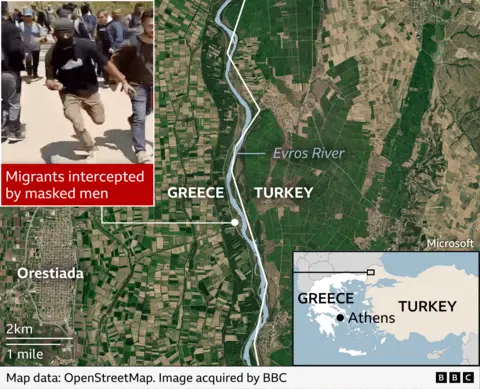
Police in Greece have been accused of recruiting migrants to violently push other migrants back across its land border with Turkey, according to an extensive investigation by the BBC. Internal police documents indicate that the recruitment of these so-called mercenaries was ordered by senior officers. Such practices have reportedly included severe brutality, with witnesses recounting incidents where migrants were stripped, robbed, beaten, and even sexually assaulted. Allegations suggest that the use of mercenaries has been ongoing since at least 2020.The Greek Prime Minister claimed to be 'totally unaware' of these allegations when confronted by BBC reporters, while the country’s authorities have yet to formally respond to requests for comment. This issue raises significant legal concerns, as pushbacks—forcing migrants and asylum seekers back across borders without appropriate legal procedures—are illegal under international law.Reports from various organizations have indicated that the pushbacks in Greece have involved masked men, with undercover videos and testimonies revealing the violent realities faced by many migrants trying to cross into Greece. In one instance, two Syrian migrants described experiences of being detained and mistreated by masked individuals who demanded their phones and identification before forcibly transporting them back to Turkey.Evidence, including video footage and witness testimonies, points to the recruitment of migrants from regions like Pakistan, Syria, and Afghanistan to act against other migrants, often in exchange for cash and the chance to transit through Greece. The situation at the Evros border remains tense, with claims that these actions are widely known among border guards and officials, further complicating the ongoing humanitarian crisis in the region.The Greek authorities have denied any knowledge of misconduct involving immigrants or a lack of transparency in their actions. However, these findings suggest a deeply troubling situation at the Greek borders that requires urgent attention from human rights organizations and international communities.