In brief
In a shocking case from Lancaster, Pennsylvania, two teenage boys were placed on probation for using AI to create 59 fake nude photos of classmates. The court found that the boys manipulated images from social media, leading to devastating consequences for their young victims. As part of their sentence, they must complete community service and stay away from the victims. The case has raised concerns over the impact of technology on minors and has resulted in legal actions against potential culpable parties, including the school.
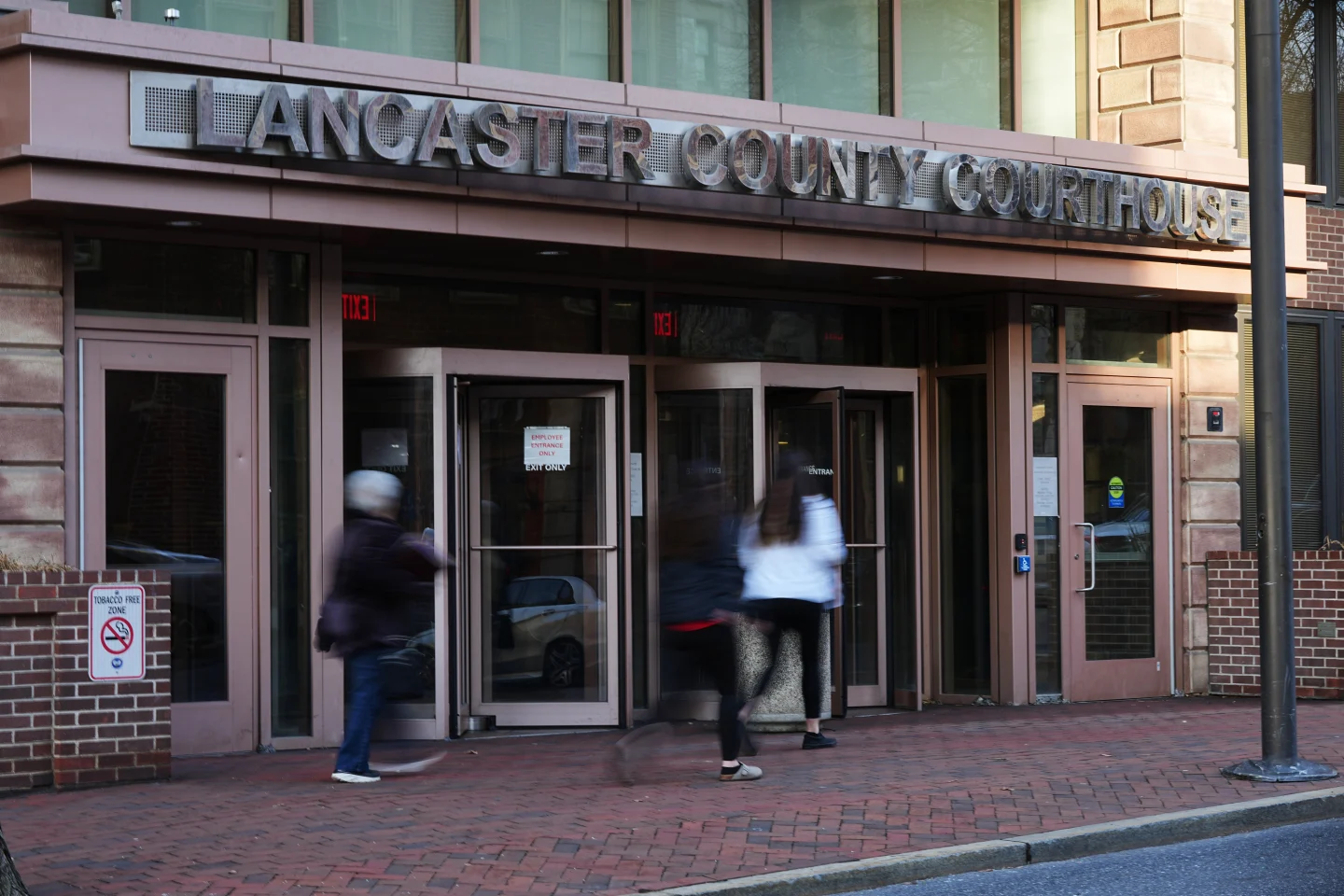
LANCASTER, Pa. (AP) — In a landmark ruling, two teenage boys were placed on probation on Wednesday after they admitted to creating fake nude images of their classmates using artificial intelligence. The boys, who were just 14 at the time of the offenses, were found to have manipulated 59 images of girls sourced primarily from Instagram, merging them with images of adults in sexually explicit contexts.The troubling case came to light when a parent reported that her daughter disclosed that a fellow student had used AI technology to generate nude portrayals of female students. The images involved some of the boys' classmates at Lancaster Country Day School, which has furthered the outcry from the community.During a hearing before Lancaster County Common Pleas Court Judge Leonard Brown III, the court imposed a sentence that included 60 hours of community service for each boy. They were also required to maintain distance from their victims and are expected to provide restitution, though the amount was not specified.Judge Brown stated that had the defendants been adults, they would likely face more severe consequences rather than probation. The judge noted he did not observe any remorse from the boys, contrasting their case with what might have been a harsher punishment had they been older.Following the court proceedings, one of the boys declined to comment publicly. Heidi Freese, an attorney for one of the adolescents, mentioned that the case involved complex legal issues that were not fully resolved during the hearing.Pennsylvania Attorney General Dave Sunday commented on the incident, condemning the misuse of technology to exploit vulnerable minors, stating that it exemplified the darker side of social media. He emphasized the emotional toll on the victims, who faced significant distress and trauma as a result of the boys' actions.The resolution of this case comes amid broader concerns regarding the application of AI in potentially harmful ways, particularly involving minors. Legal actions are being explored against contributors to this issue, as several victims' representatives aim to file claims concerning liability.As awareness grows, lawmakers nationwide are working to establish laws that address the ramifications of deepfake technology, with many emphasizing the urgent need for legislation to protect against online exploitation.