In brief
On July 20, tens of thousands marched in Central Delhi calling for education reforms, but authorities deployed wooden sticks, batons and tear gas. Independent ballistic experts say injuries of several protestors are consistent with pellet gun fire. Four cases staged at hospitals show dozens of round punctures that match birdshot. If confirmed, it will be the first time India employed pellet guns in its capital.
On 20 July a massive crowd entered Central Delhi to demand education reforms and the resignation of the education minister. The protest turned violent as police and paramilitary troops used wooden sticks, batons and tear gas to break up the march. The Delhi Police stated 60 protesters were injured, while the opposition party cited a higher number.
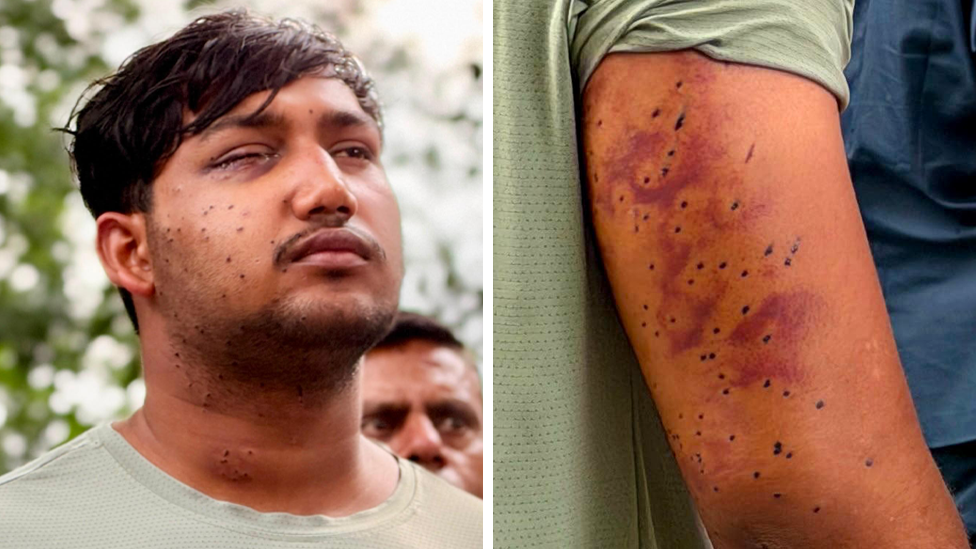
Independent ballistic experts now confirm that injuries of several protestors are caused by pellet guns. Four cases were presented to them at hospitals. The wounds display dozens of small round punctures that are characteristic of birdshot fragments.
One expert, a UK‑based forensic scientist, described the injuries as typical of a 12‑gauge pump‑action shotgun loaded with lead pellets. He noted that the fragments were not close‑range but still potentially life‑threatening even from 100 feet.
Other specialists noted that pellet guns are banned or heavily restricted in many countries because their lead fragments can cause long‑term damage. The use of these weapons in a city like Delhi would be unprecedented.
Historical precedent exists in Indian‑administered Kashmir where pellet guns have been used in 2010, resulting in several thousand injuries and dozens of deaths. If Delhi authorities did indeed use pellet guns, it would mark the first such use in the capital.
One victim, a 28‑year‑old journalist, shared X‑ray images with the BBC showing 26 pellets lodged in his right elbow and upper back. Surgeons removed seven, but a pellet in the neck remained due to the risk of extraction.
Another protester, Sahil Lochab, appeared at a press conference with a face and back covered in tiny holes. He described a burst of burning pain after a security personnel fired a shotgun in the midst of the crowd.
Government officials, including Deputy Home Minister Jitendra Singh, have denied the use of pellet guns, claiming only tear gas was used. The Home Ministry stated that the Delhi Police did not possess such weapons.
Human rights groups and independent journalists continue to demand a full forensic investigation. The incident has sparked debate over the use of non‑lethal weapons in crowd control and the ongoing struggle for educational reforms in India.