In brief
In the run‑up to the November 2026 midterms, President Trump’s administration announced the removal of 50% tariffs on a range of Canadian goods—including plywood, paper, machinery and refrigeration equipment—from October 30. The move was championed by Republican Senator Susan Collins of Maine, who said the exemptions would aid her state's agricultural interests. While some Canadian exports will see tariff relief, new duties will be imposed on items such as carpets and waste products, according to the White House. The decision comes amid ongoing trade tensions, with Canada’s prime minister Mark Carney calling the U.S. measures discriminatory and ready for a more balanced agreement. The timing of the policy shift has political implications as the country votes on whether the Republican or Democratic parties will control Congress for the final two years of Trump’s term.
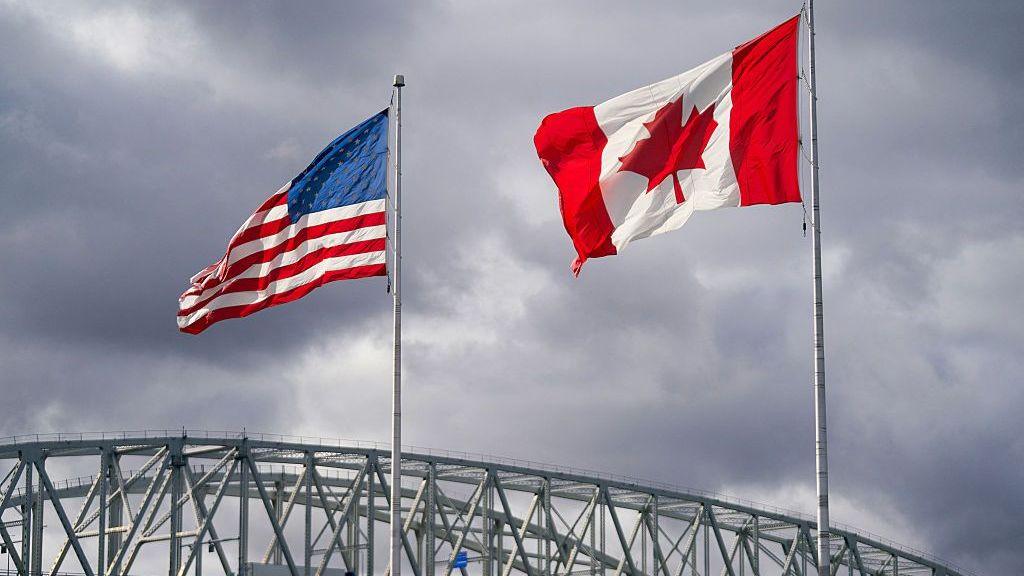
In a move aimed at easing tensions with Canada just days before the U.S. mid‑term elections, the Trump administration announced on Friday that it would lift the 50% tariffs it had imposed on $20 billion worth of Canadian goods. The exemptions cover products such as plywood sheets, paper, certain machinery and refrigeration equipment, beginning October 30.
Senator Susan Collins of Maine—whose 2026 Senate campaign hinges on maintaining strong trade ties with Canada—has been a vocal supporter of the tariff relief. She told constituents that the benefits would help Maine’s agricultural sector, which relies heavily on trade with Quebec and New Brunswick.
While the White House said it would remove duties on a broad range of goods, it also announced the introduction of tariffs on items including carpets and waste products. The deal is part of President Trump’s broader effort to protect American jobs and counter what he calls “unequal treatment” of U.S. exports.
Canadian Prime Minister Mark Carney reacted to the announcement by calling the U.S. tariffs discriminatory and pledged Canada’s readiness to negotiate a fair trade framework. Canada has mirrored the U.S. tariffs on Canadian goods “dollar for dollar” in recent weeks, underlining the trade impasse.
The timing of the policy shift is widely seen as a political signal ahead of the November ballot. With the mid‑terms determining whether the Republican or Democratic Party will control Congress for the last two years of Trump’s term, the administration’s trade decisions could influence voter sentiment in swing states on both sides of the border.