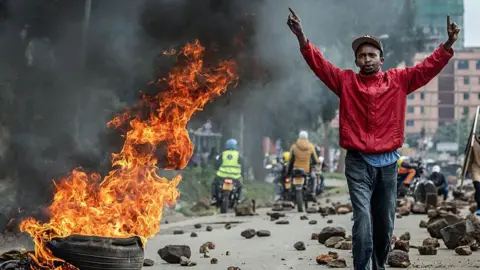
Tanzanian police have lifted a night-time curfew imposed since last Wednesday in the main city Dar es Salaam following deadly election protests, as life slowly returns to normal across the country.
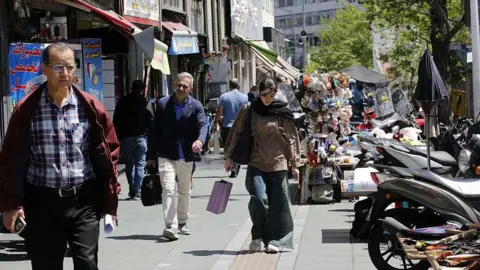
Following the unrest, the internet was cut nationwide and most shops in Dar es Salaam closed amid acute shortages of basic essentials and soaring prices. Schools shut and public transport came to a halt.
On Tuesday, some shops reopened and traffic resumed but with queues persisting at some petrol stations in Dar es Salaam.
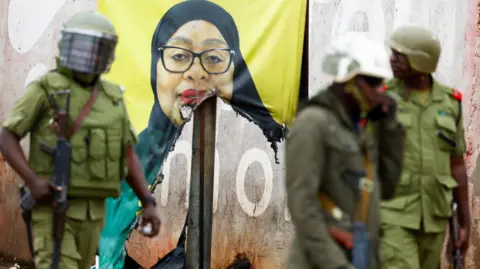
Families continue to search for or bury relatives killed in the clashes between the security forces and opposition supporters who denounced the poll as a sham.
President Samia Suluhu Hassan was sworn in on Monday after being declared the winner of last Wednesday's election with 98% of the vote.
Observers from the Southern African Development Community (Sadc) - a regional bloc which includes Tanzania - said in a preliminary report that the election fell short of democratic standards. The two main opposition leaders were unable to contest the poll, with Tundu Lissu in detention on treason charges.
Internet services are slowly being restored, though social media remains restricted. The police have warned against sharing images from the protests.
The party Chadema reported that at least 800 deaths occurred due to the violence, while other sources indicate that at least 500 have died. The government has not provided any casualty figures.
Human Rights Watch and Amnesty International condemned the government's response to the protests, urging investigations into the actions of security forces. During her inauguration, President Samia acknowledged the violence but suggested that foreign nationals were responsible for instigating it. Samia, who first took office in 2021, has faced criticism for a narrowing political space since her initial rise to power.