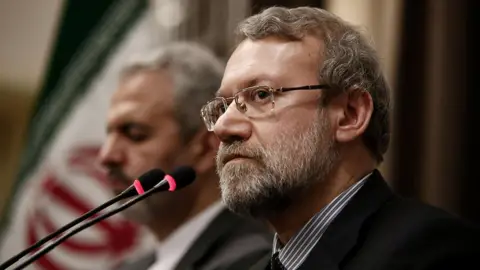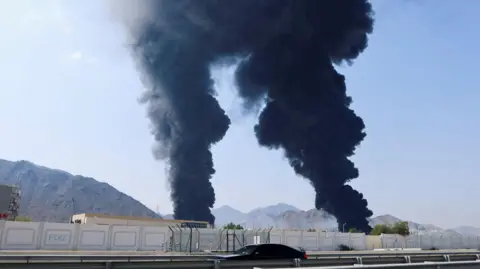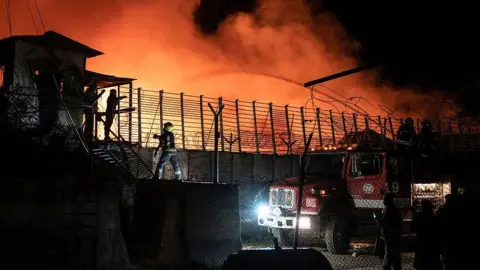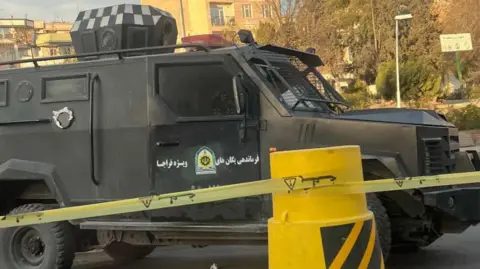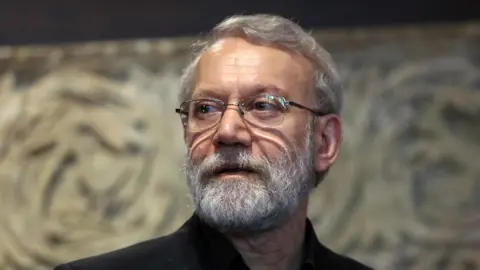
Ali Larijani has been identified as a significant figure in Iranian politics, having served as the secretary of the Supreme National Security Council. His death, alongside that of Basij commander Gholamreza Soleimani, was confirmed following an airstrike by Israeli forces, which targeted key military positions in Tehran. The Israeli Defense Forces (IDF) indicated that these killings are part of their strategy to dismantle Iran's military leadership following the recent death of Ayatollah Ali Khamenei.
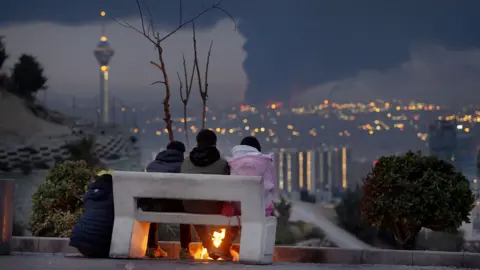
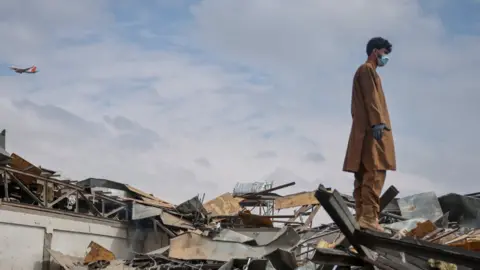
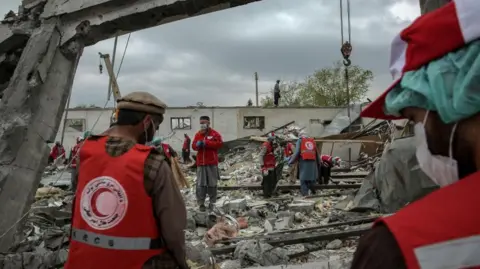
Following the airstrikes, the Iranian government confirmed Larijani's death and paid tribute to him on state television. The situation has escalated further, with Iran launching retaliatory missile attacks targeting both Israel and nearby U.S. military installations. This marks a continuation of intense military actions following the start of hostilities early this year, which have already led to significant casualties on both sides, including over 1,300 Iranian deaths as reported by Iranian officials.
Larijani, who was also the chief nuclear negotiator and served in various high-ranking positions within Iran, had transformed his role after Khamenei’s death, consolidating power and leading efforts against perceived threats from Israel and the United States. The repercussions of these airstrikes signal a new phase in the ongoing conflict, with both military and economic consequences, including a spike in oil prices due to fears of disrupted exports through the Strait of Hormuz.
Following the airstrikes, the Iranian government confirmed Larijani's death and paid tribute to him on state television. The situation has escalated further, with Iran launching retaliatory missile attacks targeting both Israel and nearby U.S. military installations. This marks a continuation of intense military actions following the start of hostilities early this year, which have already led to significant casualties on both sides, including over 1,300 Iranian deaths as reported by Iranian officials.
Larijani, who was also the chief nuclear negotiator and served in various high-ranking positions within Iran, had transformed his role after Khamenei’s death, consolidating power and leading efforts against perceived threats from Israel and the United States. The repercussions of these airstrikes signal a new phase in the ongoing conflict, with both military and economic consequences, including a spike in oil prices due to fears of disrupted exports through the Strait of Hormuz.