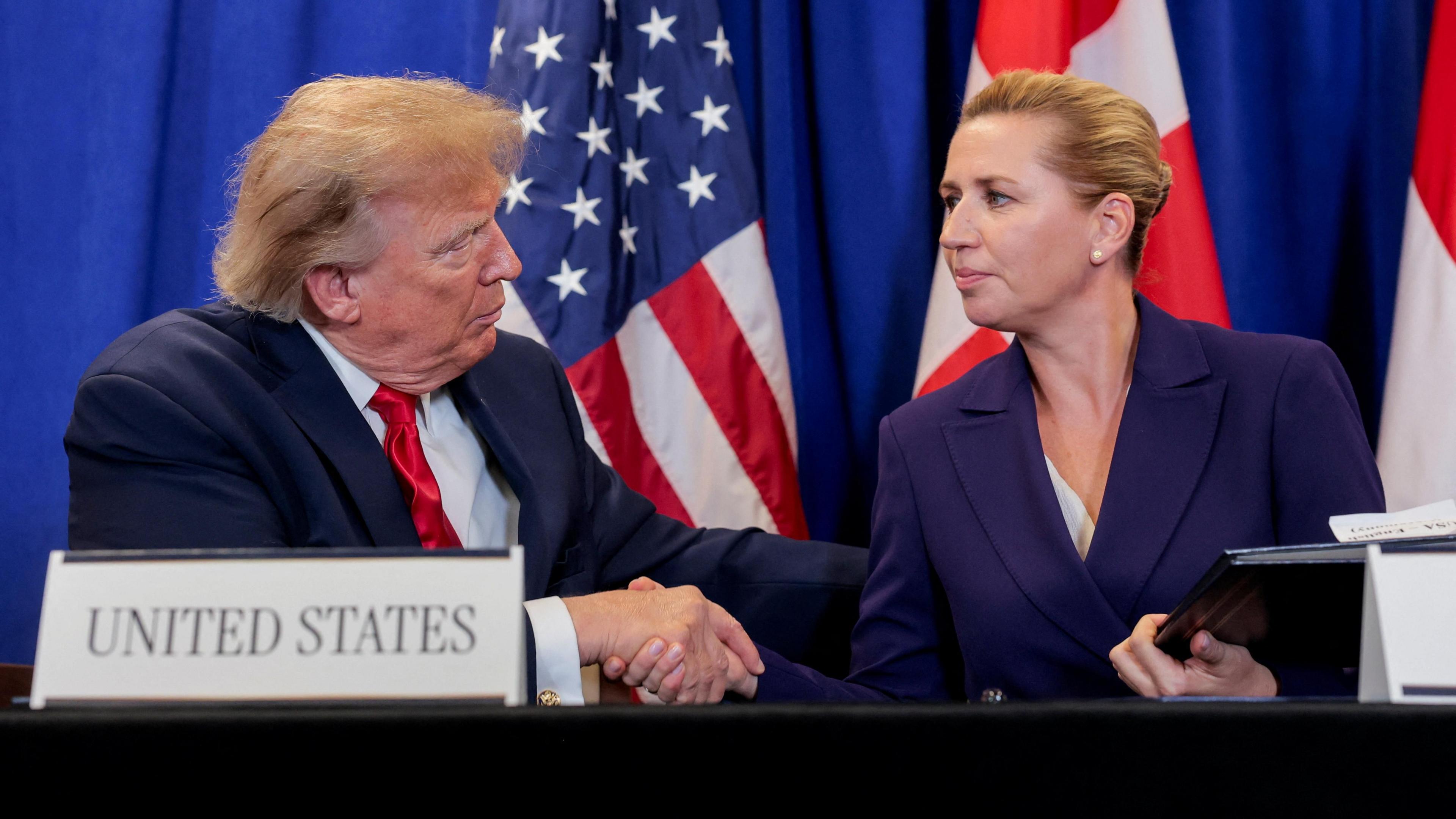
U.S. and Iranian leaders met at the United Nations in New York after the June ceasefire collapsed, with Qatar acting as mediator. The talks, led by Iran’s foreign minister and the U.S. envoy Steve Witkoff, were reported as constructive but produced no substantive breakthrough.
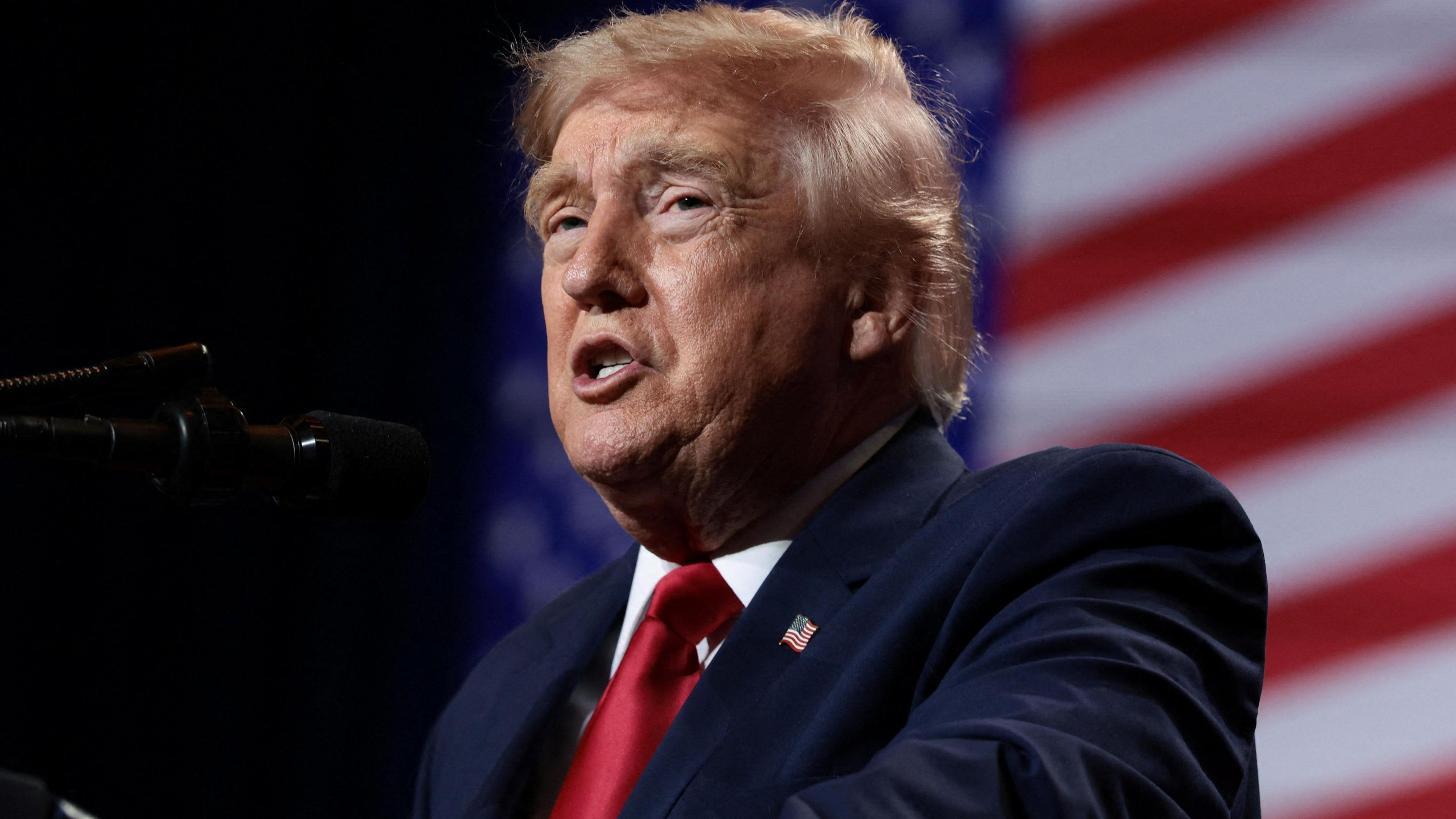
President Trump, speaking at the General Assembly, warned that he could “annihilate” Iran if a deal could not be reached, emphasizing a hard‑line stance on the Islamic Republic’s nuclear ambitions.
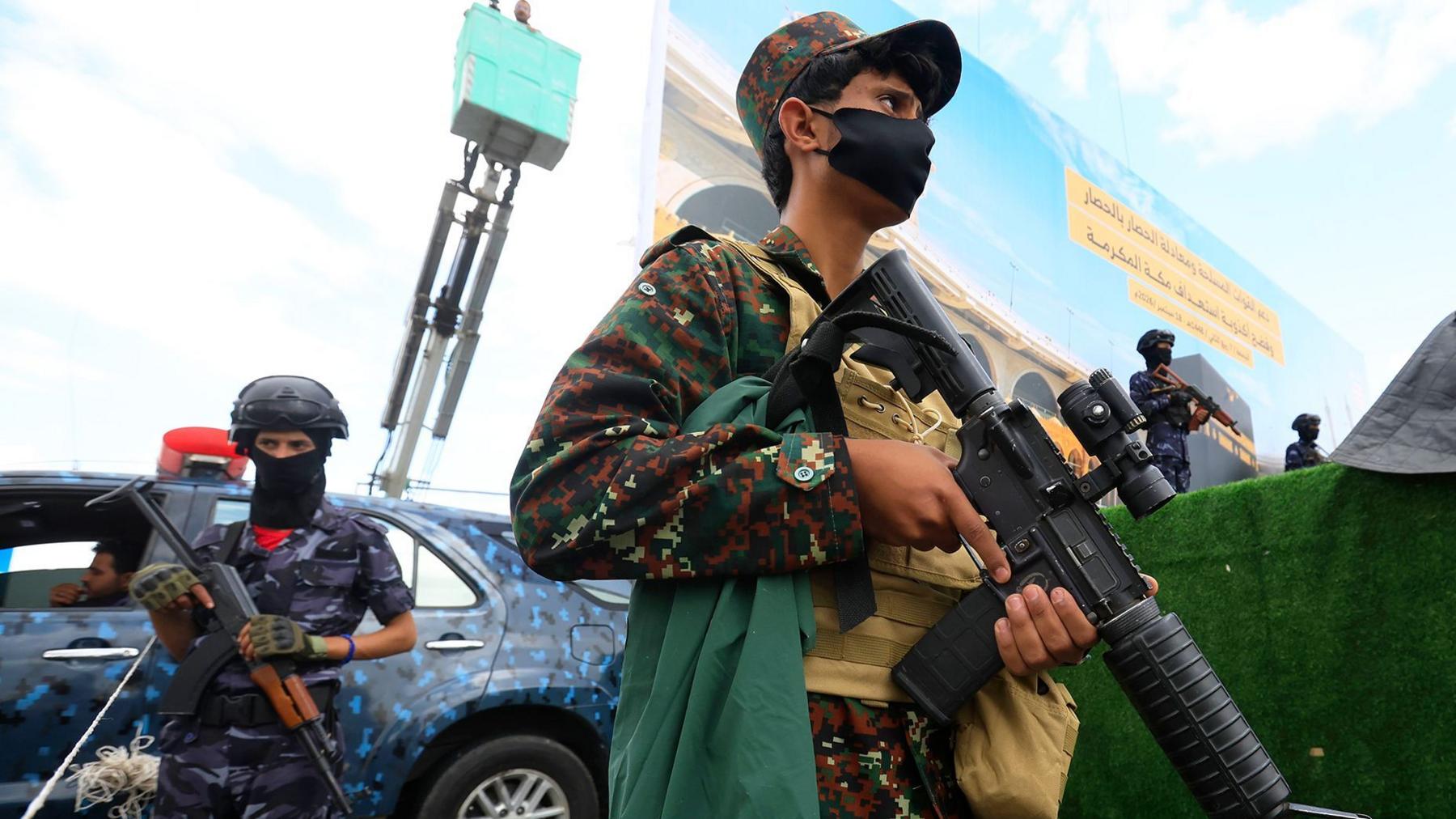
The conflict began with U.S. air strikes on 28 February and sparked Iranian retaliation, including attacks on ships in the Strait of Hormuz, which controls nearly 20 % of global oil flow and has led to volatile price swings and economic pressure on Iran.
Witkoff said the session “proved constructive”, while Iran demanded an end to U.S. and Israeli attacks and called for a cessation of what it terms “acts of aggression.” The talks have yet to resolve the war’s many dimensions, including the ongoing threat to international shipping lanes.
Trump’s UN address contrasted his hard‑line rhetoric with UN Secretary‑General António Guterres’ caution that global divisions were worsening, yet he maintained that the U.S. could use “peace through strength” to force a deal after the November elections.
Despite the meeting’s optimistic tone, hostilities continue as both sides exchange fire, and the U.S. remains poised to punish any nation that continues to trade with Iran, highlighting the broader geopolitical stakes tied to the Gulf’s stability.