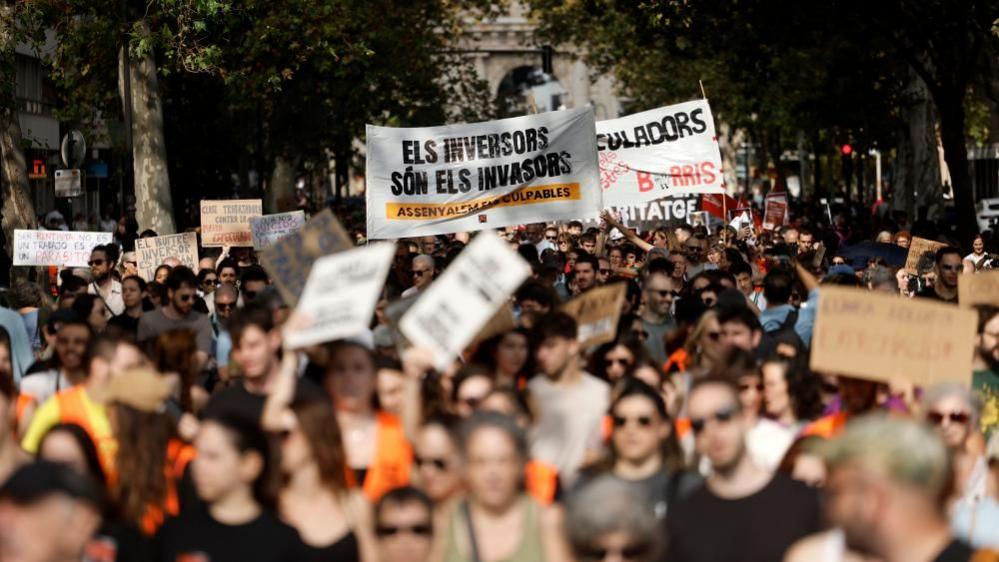
In Madrid’s bustling Puerta del Sol, a generation of young Spaniards have set up a makeshift camp of tents, demanding that the government act against a rising cost of living – and a housing market in crisis.
At the heart of the movement is 21‑year‑old graduate Pierina Nicuray, who says the problem is simple: “A lack of homes” and landlords riding the wave of rental increases, “especially once Airbnb takes empty beds off the market.” 19‑year‑old student Jorge Moreno echoes the sentiment, accusing “vulture funds” and investment groups of buying up vacant properties and then hiking rents until tenants are forced to leave.
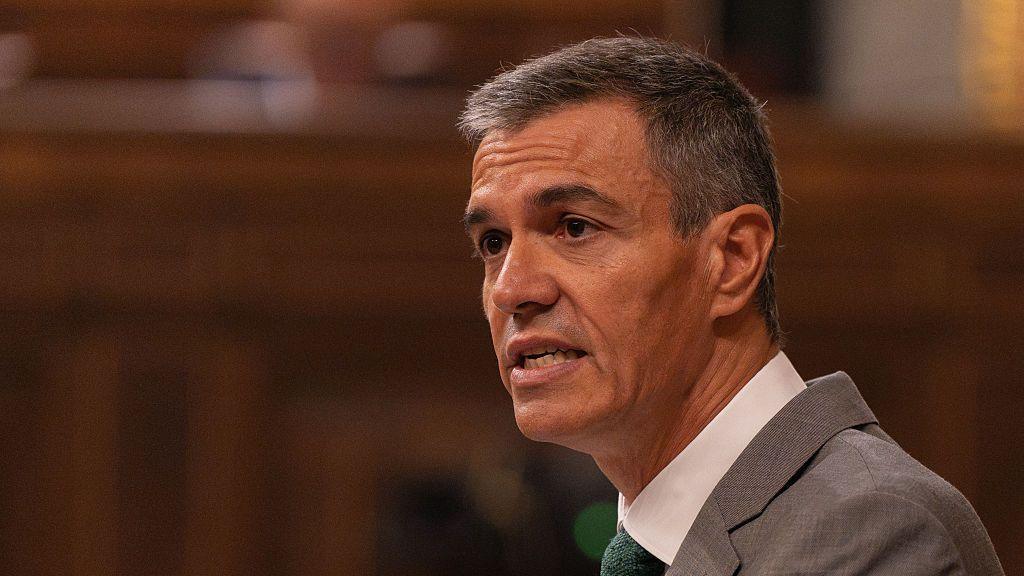
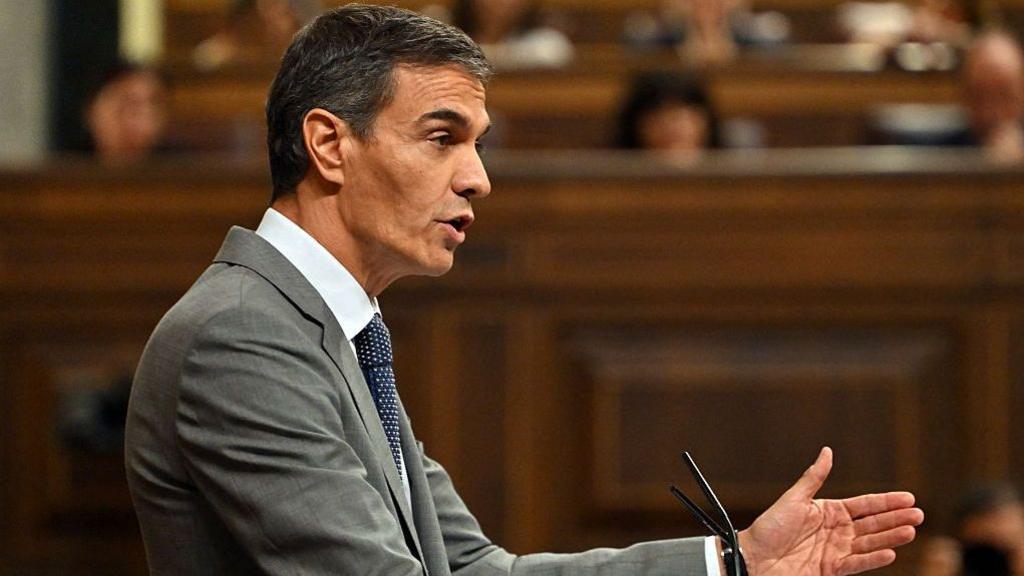
Their arguments echo warnings from the Spanish government. Leading up to a snap election called by Prime Minister Pedro Sánchez, emergency housing reforms aimed at curbing speculative ownership were tabled, only to be rejected by Parliament. Sánchez spokespersons say the reforms target those who treat homes as mere commodities.
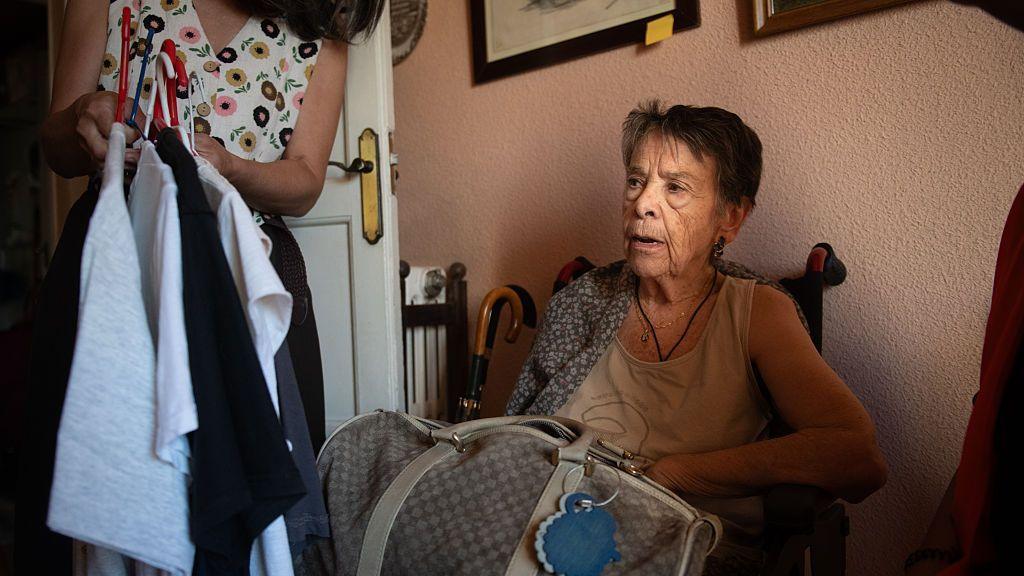
Behind the slogans, a single tragedy has put the crisis into sharper focus. 87‑year‑old pensioner Maricarmen Abascal was evicted after a firm that purchased her apartment raised her rent, causing her to be medically reassigned. Despite a temporary compromise to allow her to return, she died in the hospital a week later. Her case has become a symbol of the alleged excesses of real‑estate speculators.

Image: Protesters at Puerta del Sol, Madrid.
Experts present a more complex picture, however. A study by the Bank of Spain finds that only 8% of rental properties belong to corporate owners, suggesting that the bulk of the rise in rents is tied not to a handful of “vulture” investors but to a chronic shortage of supply.
Spain’s housing stock falls short by an estimated 750,000 homes, with the gap predicted to grow to one million by 2028, according to the central bank. Urban centres such as Madrid and Barcelona are hit hardest. Alongside high construction costs, political gridlock and demographic changes – with around 1.2 million new households between 2021‑25, most driven by migration – have widened the imbalance between demand and supply.
Yet public sentiment remains sharply critical. A recent survey of Spanish residents found that 72% support higher taxes on landlords owning ten or more properties and that 76% want stricter limits on short‑term rentals. “No worker should spend 75% of their salary on rent,” says 81‑year‑old retired taxi driver Francisco Pardo, who visited the tent city to witness the protest firsthand.
The housing crisis now sits at the center of a debate that could reshape Spanish politics. The question facing policymakers is whether they can find a consensus that balances the demands of ordinary citizens with the realities of a globalized investment market.