In brief
Marcos Rubio’s brief Indian visit ending in the port town of Jamnagar rather than Delhi signals a strategic pivot toward India’s massive refining power to ease U.S. fuel price pressures before the November mid‑terms. In Mumbai, he met the foreign minister on trade and energy, then focused on Reliance’s mega‑refinery that can process 1.4 million barrels a day, about 1.5 % of global capacity. The trip follows U.S. pressure to reduce dependence on Russian oil, boost Venezuelan imports, and potentially park a new Texas refinery that Trump has lauded. While it does not guarantee a trade deal, analysts view it as a welcome step toward renewed cooperation and a more robust energy partnership.
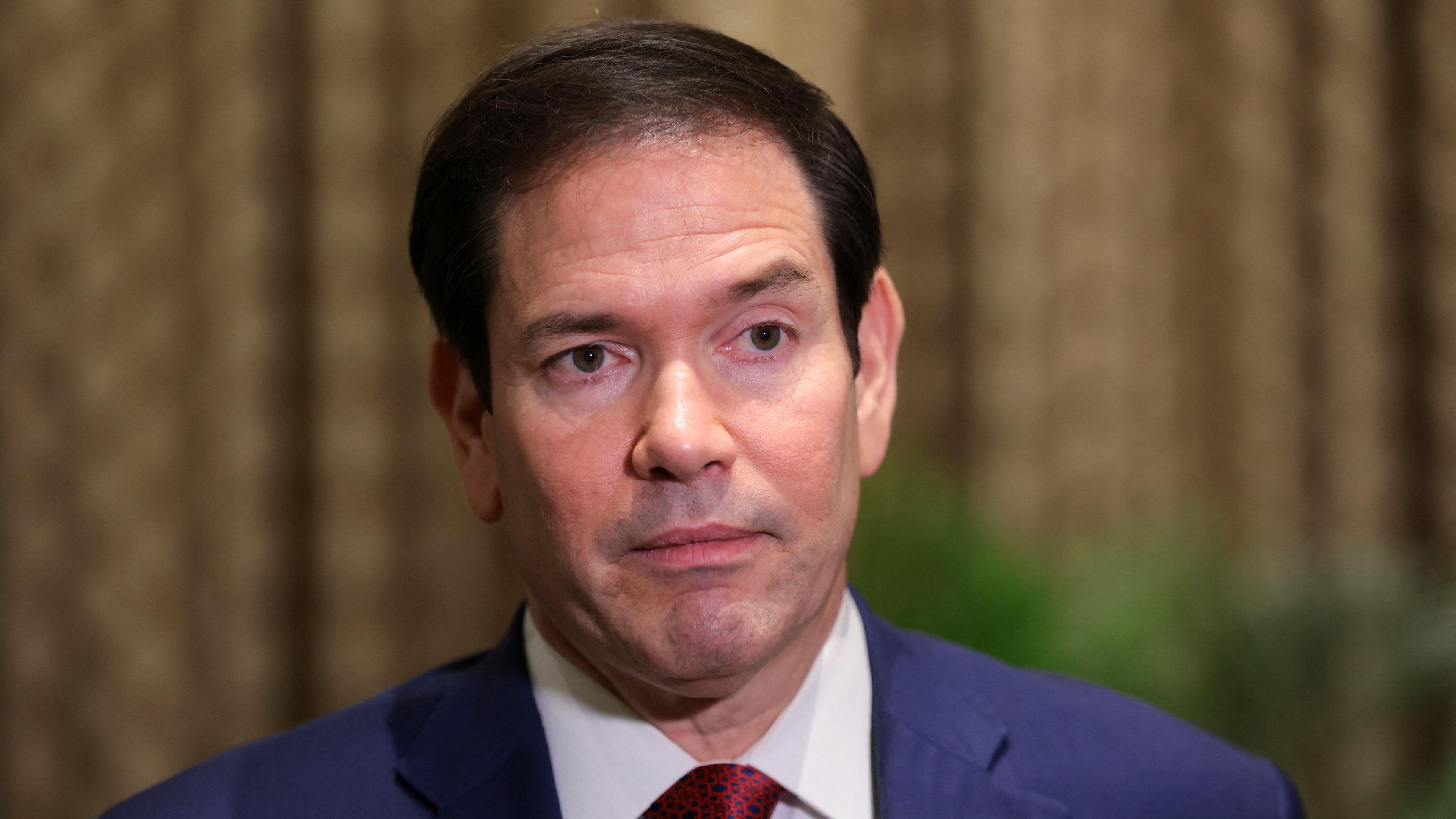
The United States’ top diplomat, Secretary of State Marco Rubio, spent a brief but highly symbolic week in India, ending his visit in the port town of Jamnagar rather than the city of Delhi.
In Mumbai, Rubio pressed the Indian foreign minister on trade and energy, then headed west to Gujarat’s Reliance Industries refinery, the country’s biggest – and most modern – facility, to discuss opportunities for Venezuelan and American crude.
The visit coincides with rising global oil prices, the Trump administration’s pressure to keep U.S. fuel costs down before the November mid‑terms, and strategic concerns over Russia’s supply to India.
Reliance’s Jamnagar complex can process 1.4 million barrels of crude a day, about 1.5 % of worldwide capacity, and the U.S. has urged it to boost refining of Venezuelan oil to ease on‑shore demand.
While the trip does not guarantee a trade deal, analysts say it signals a warming of ties and may pave the way for a bilateral agreement that includes energy cooperation.
Rubio sang a brief poem about refining and said “Venezuelan oil can certainly provide relief” in a press conference on the eve of a media day.
The U.S. now faces questions about its tariff policy on Indian goods, the future of Russia‑based imports, and the prospects for a new Texas refinery that the Trump administration is touting.