In brief
Mamadi Doumbouya, the charismatic military leader of Guinea, is set to transition from junta leader to civilian president after winning a controversial election. Despite public support following his leadership through a coup, critics voice concerns about his governance, including a ban on opposition parties and human rights abuses. Doumbouya promotes a narrative of national sovereignty and economic development, with a focus on the country's vast natural resources.
From the moment he seized power in September 2021, Guinea's Mamadi Doumbouya struck an imposing figure. Just 36 years old at the time, the broad-shouldered colonel, dressed in military fatigues and a red beret, became synonymous with the coup that ousted President Alpha Condé.
After four years as the interim leader, Doumbouya, now 41, is due to be sworn in as the elected president this Saturday, having won 87% of the vote in December's election against a depleted opposition. Critics, including ex-Prime Minister Cellou Dalein Diallo, have called the electoral process a 'charade' and alleged widespread governmental abuses.
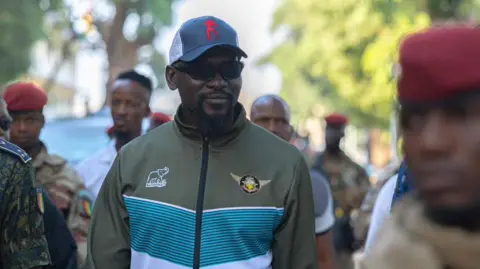
The transition from military attire to more civilian clothing such as tracksuits and traditional Guinean boubous highlights Doumbouya's attempts to present himself as a leader connected to the people. Analysts suggest this image change may not reflect a true departure from his military roots, noting the ongoing restrictions on opposition and media freedoms.
Doumbouya's approach emphasizes Guinean sovereignty and economic control, particularly regarding the nation's abundant natural resources. The government's efforts may position Doumbouya as a populist figure, although the true impacts of his policies remain to be seen as he navigates the complexities of governance and public expectations.
The upcoming swearing-in ceremony marks a pivotal moment not only in Doumbouya's evolving political landscape but also for Guinea's future as it grapples with the legacy of his military rule versus the promise of a democratic administration.