In brief
Hundreds of transport workers in Manila have initiated a strike over skyrocketing fuel prices, which have more than doubled since the onset of the Iran conflict. The strikers, primarily jeepney drivers, are calling for an end to fuel taxes and fare increases, as the government struggles to address an energy emergency. Many workers report financial desperation, compounded by unfulfilled government cash aid promises. President Marcos has declared a national energy emergency and promises to seek new oil supplies as the situation escalates.
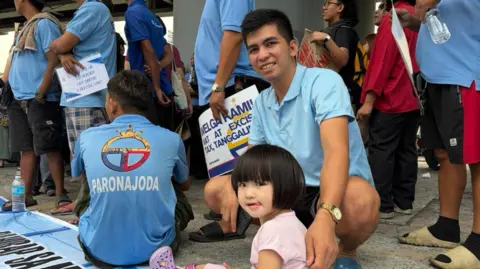
Hundreds of transport workers in the Philippines' capital Manila have gone on strike over rising fuel costs. Diesel and petrol prices have more than doubled since the Iran war erupted on February 28, placing the Philippines in a state of national energy emergency. A 62-year-old driver from Manila expressed his despair, stating he could not afford food to feed his five children and had not received any government cash aid. The strike began on Thursday, coinciding with the arrival of a ship carrying over 700,000 barrels of Russian crude oil.Press Secretary Claire Castro confirmed that the Sierra Leone-flagged Sara Sky had delivered the shipment. President Ferdinand Marcos promised to look for new oil sources as the nation is heavily reliant on supplies passing through the Strait of Hormuz, accounting for 98% of its oil requirements.The transport coalitions leading the strike have made several sweeping demands, including the removal of fuel taxes, a rollback of oil prices, an end to deregulation in the oil sector, fare increases, and higher wages. Demonstrations occurred in various areas of Manila, with protesters holding signs demanding more government support. Many striking drivers, particularly from the jeepney service, voiced their financial struggles, claiming they had not received promised cash aid from the government and considering returning to their provinces to seek other employment.Guillermo Japole, a 62-year-old jeepney driver, lamented having waited over five hours for cash aid that was never provided, while others echoed similar sentiments about financial assistance being inadequate.“It's like we are being choked,” said Ronnie Rillosa, a 58-year-old jeepney driver of 30 years, expressing the universal struggle to provide for their families amidst rising living costs. The planned two-day strike has already impacted commuters, as Manila is known for its extreme congestion and lengthy commutes. Many commuters resorted to waiting for government-provided free rides, while simultaneously expressing empathy for the drivers.Earlier, President Marcos signed a law permitting him to suspend or cut the excise tax on fuel products upon the Dubai crude oil price reaching or exceeding $80 per barrel for a month. With tensions escalating due to the continued conflict in the Middle East, citizens continue to worry about their livelihoods and the government's capabilities to intervene effectively. The Philippine government has also authorized measures to ensure the stability of energy supplies and the protection of the economy following the emergency declaration. However, not all factions support this response, with labor coalitions accusing the government of downplaying the crisis.";