In brief
In the aftermath of Hurricane Beryl’s devastating hit in July, Barbados’ fishing community is slowly piecing together its broken fleet and livelihoods. The storm left around 75% of the active fleet damaged, with many vessels destroyed, making it a daily struggle for fishermen such as Charles Carter and Cornelius Carrington, who depend solely on fishing for their income. Although repair efforts are underway, concerns about climate change and rising ocean temperatures loom large over the industry. Captains are reporting altered sea conditions that threaten customary fishing practices. Meanwhile, the tourism sector feels the effects too, grappling with fish shortages. Efforts to educate the youth on climate issues are underway, as Barbados grapples with changing weather patterns and their dire consequences. Stakeholders, including the Prime Minister, advocate for global attention and action on the impending climate crisis, emphasizing a unified response to combat these growing threats.
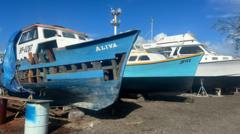
The article text: In the aftermath of Hurricane Beryl’s devastating hit in July, Barbados’ fishing community is slowly piecing together its broken fleet and livelihoods. The storm left around 75% of the active fleet damaged, with many vessels destroyed, making it a daily struggle for fishermen such as Charles Carter and Cornelius Carrington, who depend solely on fishing for their income. At a temporary boatyard in Bridgetown, numerous boats await repairs, bearing the scars of the storm. For those like Carter, extensive financial and emotional investments in repairs have become a necessity to salvage their livelihoods. “It's been real bad, I can tell you. I had to change both sides of the hull, up to the waterline,” he shares, his pride visible in the restoration.However, reports indicate that the situation extends beyond mere repairs. Captains are beginning to notice troubling changes in their fishing conditions, driving home the precarity of the industry as sea surface temperatures rise and accessibility to traditional catches, including flying fish - a national staple, becomes increasingly difficult. Additionally, Carrington notes the shift in hurricane patterns, voicing concerns of future storms wreaking similar havoc.The local fish market reflects a worrying trend as stalls remain closed, unable to meet the tourism industry's growing demand, showcasing the interconnectedness of local economies. Not just fishermen, but associated businesses, such as restaurants, are feeling the fallout from Beryl.Amid these challenges, there's an active push for climate change awareness, especially among the youth. Educational initiatives led by organizations like the Caribbean Youth Environmental Network (CYEN) aim to empower the next generation with knowledge and tools to advocate for a sustainable future. School students express their worries about being at the mercy of climate change, with many feeling pessimistic about global inaction on emissions despite their best local efforts.Barbados' Prime Minister, Mia Mottley, has become a staunch advocate for climate justice, seeking international collaboration and financial aid from larger nations contributing to global pollution. She emphasizes the existential threat rising sea levels pose to island nations, invoking greater urgency in international conversations on climate resilience.For many seasoned fishermen like Steven Bourne, witnessing these environmental shifts firsthand is deeply personal. “The whole landscape has changed entirely,” he reflects, underlining a stark reality for communities who have thrived on fishing for generations. Recognizing the changing tides, disaster management has shifted focus towards adaptive strategies as the risks of Category 5 hurricanes become a new normal. “Being afraid or anything like that don't make no sense. Because there's nowhere for we to go. We love this rock. And we will always be on this rock,” Bourne asserts, symbolizing the islanders' resilience in the face of adversity.