In brief
Australia’s Bureau of Meteorology has confirmed that the current El Niño has reached its strongest point in recorded history, with sea‑surface temperatures in the central Pacific peaking at unprecedented levels. Scientists warn that this surge could trigger extreme weather conditions, from flooding in parts of Mexico to intense tropical cyclones across the Pacific. The warming trend is amplified by the backdrop of ongoing human‑induced ocean heat, making the event even more potent than past El Niños. Forecasts suggest the peak will arrive in December, with worldwide impacts expected to intensify through 2027.
Australia’s Bureau of Meteorology (BOM) has reported that the central Pacific’s sea‑surface temperatures have peaked at their highest level on record in weeks‑long observation, marking the strongest El Niño yet. The rise has surpassed the record set during the 2015‑16 event, signalling a surge in ocean heat that scientists say is “unprecedented in the historical record.”
The warming is visible far beyond the typical tropical zone, with ocean temperatures above 30 °C recorded for the first time in much of the equatorial Pacific and widespread anomalies in subsurface heat. Researchers now use a Relative Ocean El Niño Index to filter out long‑term warming trends, revealing even more dramatic deviations from normal conditions.
El Niño releases massive amounts of heat from the ocean into the atmosphere, amplifying global temperatures. Combined with anthropogenic climate change, the 2026 El Niño could help push the year into the mid‑to‑eighties of global average temperatures, a climate that may persist into 2027.
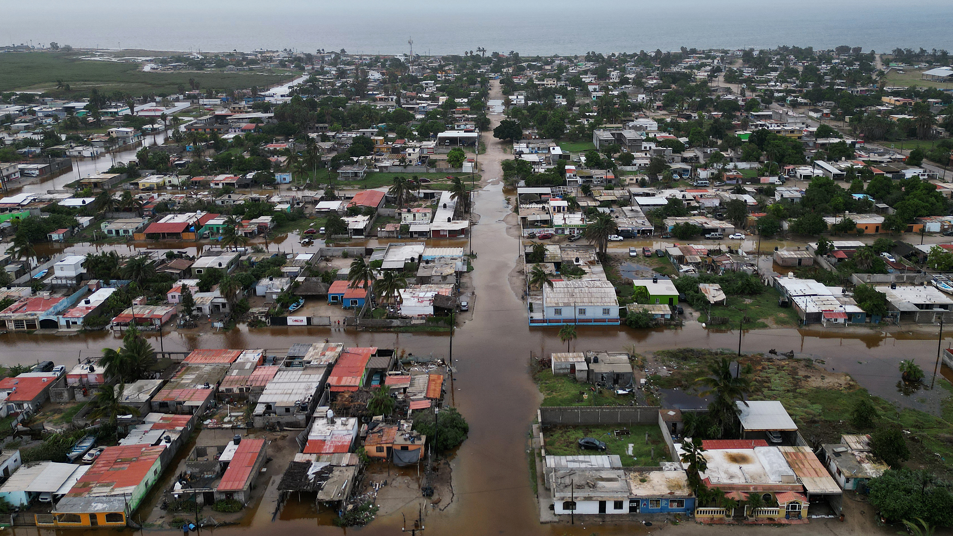
Early impacts are already felt: rugged floods in Mexico’s Baja California Sur following Hurricane Polo, and rising concerns about food security in East Africa and the Asia‑Pacific. Weather agencies predict the event will peak in December, with the World Meteorological Organisation noting an absence of evidence that climate change is making El Niño events stronger or more frequent, yet research continues.
For a deeper look into the data, the BOM’s weekly surface‑temperature charts are available on their website (BOM).
The current surge not only threatens to disrupt weather worldwide but also underscores the heightened vulnerability of our planet to natural climate cycles amid a warmer baseline. Authorities and communities are urged to stay vigilant as the rest of the year unfolds.