French President Emmanuel Macron is hosting Ukraine's leader Volodymyr Zelensky and other key allies of the country as efforts intensify to agree security guarantees for Kyiv in the event of a ceasefire with Russia.
Heads of state and top officials from more than 30 countries - part of the so-called Coalition of the Willing - are meeting in Paris, including US mediators in peace talks, Steve Witkoff and Jared Kushner, President Trump's son-in-law. Zelensky recently mentioned that his plan to end the war with Russia was 90% agreed, but details have yet to be shared with Russia, which has shown little encouragement for the proposal.
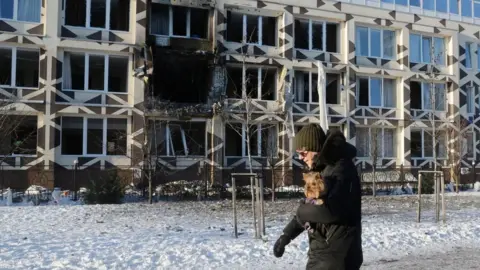
The final 10% regarding territorial concessions is under discussion, as Moscow controls about 75% of the Donetsk region and nearly 99% of Luhansk. With Russia's recent escalation of attacks, particularly on Ukraine’s energy resources as winter sets in, the discussions are critical.
UK Prime Minister Keir Starmer and NATO Secretary General Mark Rutte are also among the attendees. Leaders are expected to work on establishing a multinational force that could provide reassurance to Ukraine post-peace deal and define security guarantees to protect Ukraine in case of further Russian hostilities.
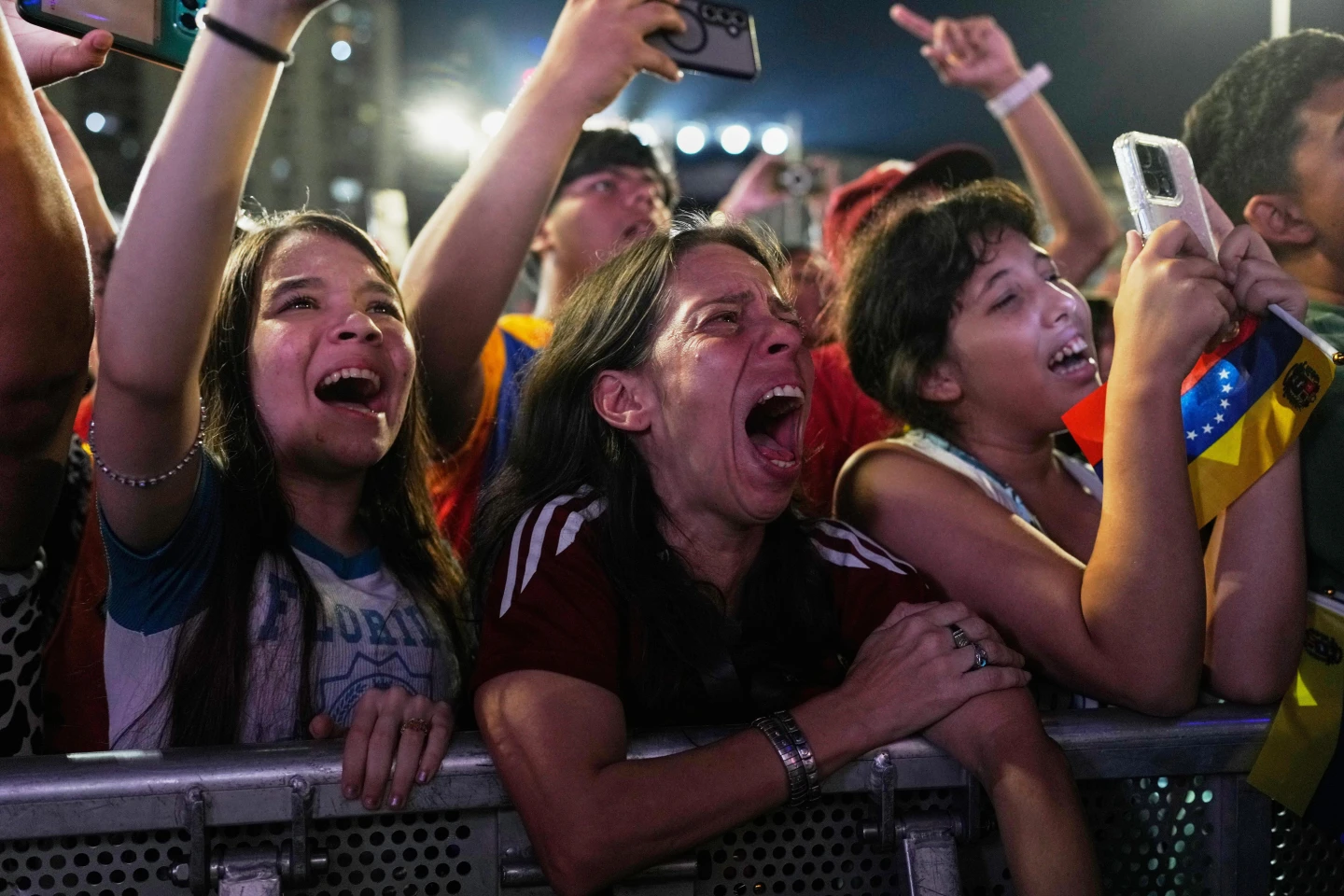
Macron, aiming to keep the focus on Ukraine, is also managing the political fallout from recent US military actions in Venezuela and threats regarding Greenland, reminding participants of the delicate balance in international relations. With broader geopolitical implications at play, the Paris meeting could shape the future of Ukraine’s security in the face of persistent threats.
Heads of state and top officials from more than 30 countries - part of the so-called Coalition of the Willing - are meeting in Paris, including US mediators in peace talks, Steve Witkoff and Jared Kushner, President Trump's son-in-law. Zelensky recently mentioned that his plan to end the war with Russia was 90% agreed, but details have yet to be shared with Russia, which has shown little encouragement for the proposal.
The final 10% regarding territorial concessions is under discussion, as Moscow controls about 75% of the Donetsk region and nearly 99% of Luhansk. With Russia's recent escalation of attacks, particularly on Ukraine’s energy resources as winter sets in, the discussions are critical.
UK Prime Minister Keir Starmer and NATO Secretary General Mark Rutte are also among the attendees. Leaders are expected to work on establishing a multinational force that could provide reassurance to Ukraine post-peace deal and define security guarantees to protect Ukraine in case of further Russian hostilities.
Macron, aiming to keep the focus on Ukraine, is also managing the political fallout from recent US military actions in Venezuela and threats regarding Greenland, reminding participants of the delicate balance in international relations. With broader geopolitical implications at play, the Paris meeting could shape the future of Ukraine’s security in the face of persistent threats.