In brief
Israeli Prime Minister Benjamin Netanyahu confirmed that Israel executed a strike on Iran's South Pars gas field independently, a move that has led to escalated violence and rising energy prices. In retaliation, Iran targeted infrastructure in Qatar, raising concerns regarding U.S. and Israel's united front against Tehran. The developments have significant implications for global energy supplies and Middle East stability as tensions soar.
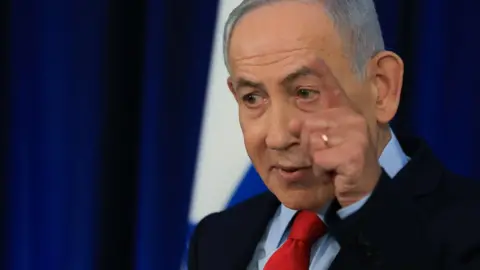
Israel's Prime Minister Benjamin Netanyahu has said Israel 'acted alone' in attacking an Iranian gas field, as tensions mount over strikes on energy infrastructure across the region. Israel hit Iran's South Pars - part of the world's largest natural gas field - and Tehran retaliated by striking an energy complex in Qatar and attacking other energy targets in the Gulf. The attacks led to a spike in energy prices and U.S. President Donald Trump later stated he was unaware of the strikes beforehand.The escalation raised questions about the solidarity between Israel and the U.S. concerning their military strategies. Speaking at a news conference, Netanyahu confirmed that Trump had urged no further strikes on energy targets, countering reports suggesting the attack on South Pars had been pre-coordinated with the U.S. Netanyahu denied misleading Trump, asserting that no one could dictate U.S. actions.The recent attacks mark a significant increase in hostilities in the ongoing conflict initiated by the U.S. and Israel against Iran, with Iran hinting at restricting shipping in the critical Strait of Hormuz, through which about 20% of global oil supply transits.Following Iran’s attack on Qatar’s Ras Laffan industrial area, which houses the world’s largest LNG processing plant, Qatar’s Prime Minister warned of 'significant repercussions for global energy supplies,' labeling the situation as a 'very dangerous escalation.' Iran’s Foreign Minister Abbas Araghchi stated that Iran would not hesitate to act decisively if its own infrastructure faced further assaults. With Netanyahu reiterating Israel's commitment to dismantling Iran’s military capabilities, the exchanges have led to rising concerns over energy prices globally, with the UK market experiencing a notable spike after the Iranian retaliation against Qatar. As the situation unfolds, the global implications of this conflict on energy markets and regional stability remain profound.