In brief
As military conflicts in the Middle East cause airspace restrictions, air traffic controllers are managing increased workloads to keep passenger jets flying safely. This article explores the strategies and protocols in place, highlighting the critical roles played by air traffic controllers and airline crews in maintaining safety and communication during times of unrest.
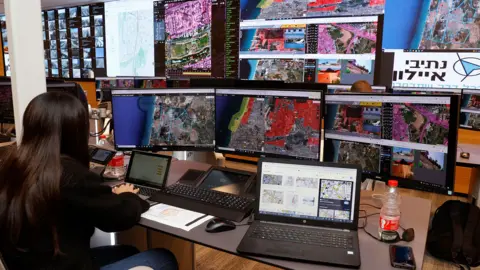
For the last fortnight, as drones and missiles have whistled through the skies above Iran and the Gulf, air traffic controllers have been shepherding passenger jets through safer but congested airspace on the edge of the war. A glance at a flight tracker map shows how busy Egypt and Georgia have become. Working side-by-side, each controller looks after a different section of the map, coordinating with colleagues which planes are entering and leaving their airspace.On a normal day, an individual controller might manage six aircraft in their area at a time. But when there's a war on, it could be double that. The brain can only give that amount of concentration at that level of intensity for 20-30 minutes, says retired air traffic controller Brian Roche, who spent 18 years managing air traffic.During busy periods, more controllers are brought in to manage the greater volume of aircraft, and shifts are adjusted to ensure controllers do not become overwhelmed, often reducing stints from 45-60 minutes to as little as 20.The stakes are high: the downing of Malaysia Airlines MH17 in 2014 serves as a grim reminder of the potential dangers of flying through conflict zones.With airspace congested, controllers work intricately, communicating with pilots about flight paths, fuel levels, and alternate landing options. The coordination of various aircraft, especially around larger passenger jets, requires careful management to ensure safety above the chaos.Airline pilots, recognizing the heightened tensions, plan alternate routes and fuel strategies well in advance to navigate potential hazards. These are perfectly normal, trained, controlled events, said one pilot, emphasizing the importance of following protocols.While the workload increases for air traffic controllers and pilots during conflicts, cabin crews also bear significant responsibilities, ensuring passenger safety while providing a sense of calm amidst the uncertainty. According to Hannah, a cabin crew leader, their role extends beyond service details to encompass critical safety responsibilities, especially during times of conflict.Overall, navigating air traffic during warfare is a coordinated effort that underscores the resilience and dedication of those working in the aviation industry to ensure passenger safety above troubled regions.