A fringe white‑nationalist lobby in the United States staged a protest that has attracted media attention: thousands of white crosses were stacked on Washington, D.C.’s National Mall to represent what its organizers call a genocide of white people in South Africa.
The campaign, organised by an Afrikaner lobby group known as the Afrikaner Rights Coalition, claims that white Afrikaners are weaponised against by the post‑apartheid majority. The demonstrators view their display as a way to bring international pressure to bear on South Africa’s government and to highlight a perceived threat to white civilians.
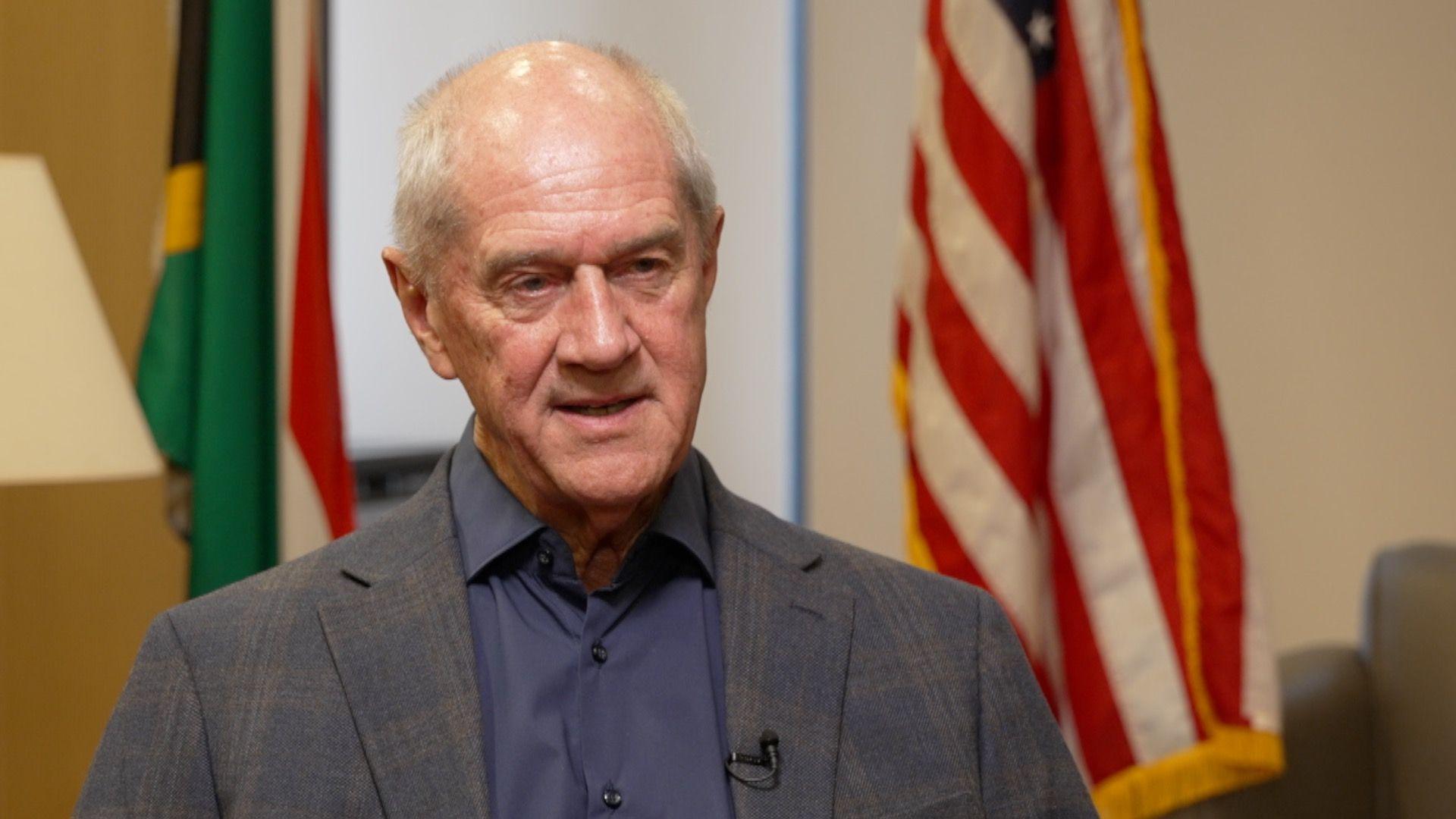
South Africa’s first ambassador to the United States, Roelf Meyer, has expressed doubt at the claims, telling the BBC that a “mass attack on the white Afrikaner minority in South Africa does not exist.” Meyer added that the idea of a state‑sponsored or organised genocide against white citizens has no factual basis, stressing that South Africa’s constitution protects all citizens regardless of race.
In a surprising turn, the Trump administration has reportedly opened a window for the U.S. to admit up to seventeen thousand five hundred white Afrikaners as refugees over the next twelve months. The move, alleged in a notice sent to Congress, appears to be part of a broader effort by the administration to tailor immigration policy towards particular ethnic groups.
BBC North America correspondent Ione Wells explains that the Australian‑style “white‑genocide” narrative has been co‑opted into U.S. politics as a tool for rallying white‑majority voters, drawing a line between overseas racial politics and domestic populist agendas. She notes that the U.S. has historically been wary of becoming a recipient of ‘genocide‑based’ asylum claims, citing previous controversies around Congo and Myanmar.
The clash between the Afrikaner lobby’s message and South African officials’ denial highlights how narratives of racial victimhood can be mobilised for political ends. With the United States potentially accepting a large wave of white refugees, the controversy could reshape diplomatic ties and spark renewed debate over racial hierarchies in the post‑colonial global order.