After a decade of silence, new evidence may finally crack the cold case involving a British family and a cyclist shot to death in the Alps in September 2012.
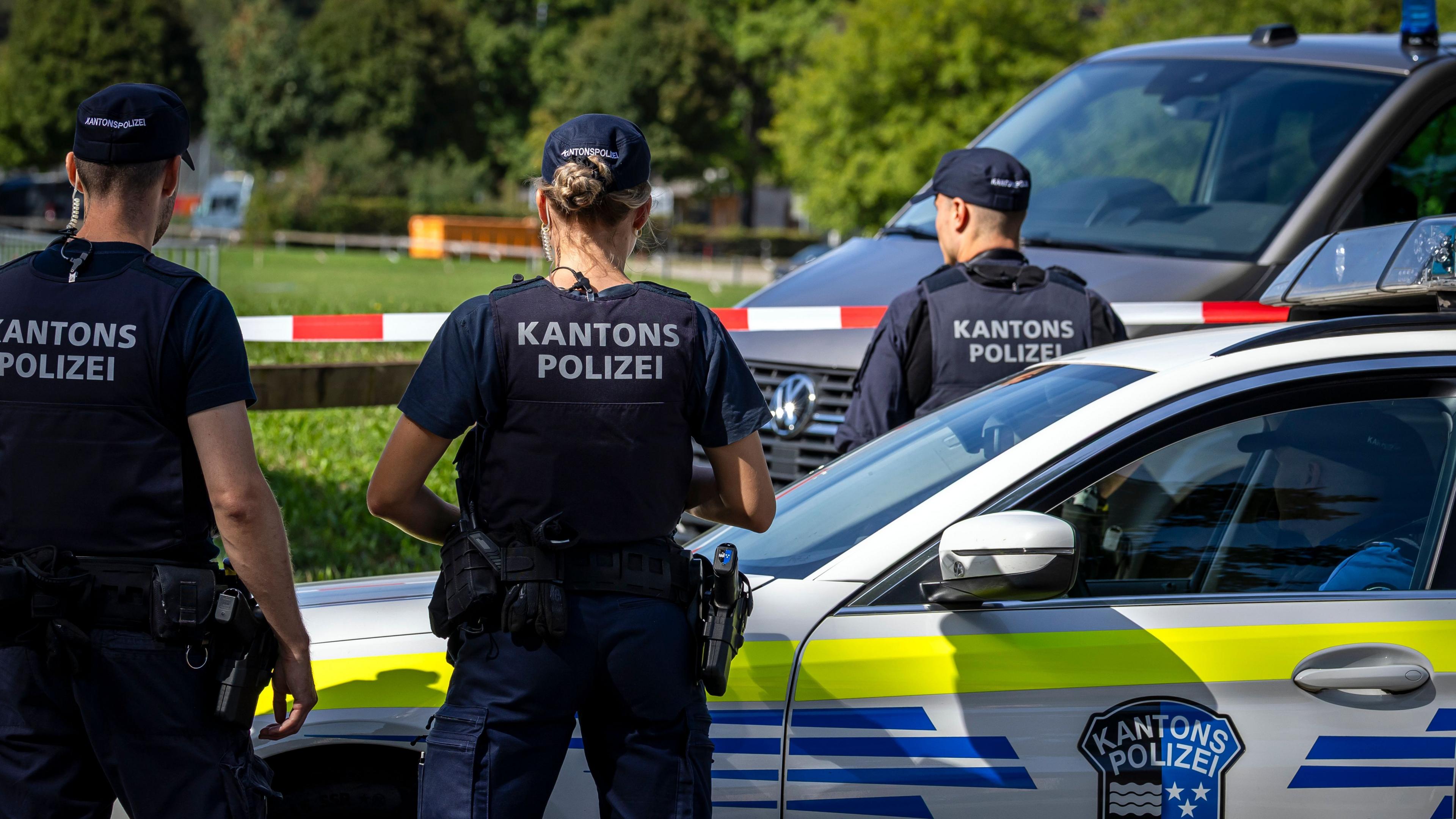
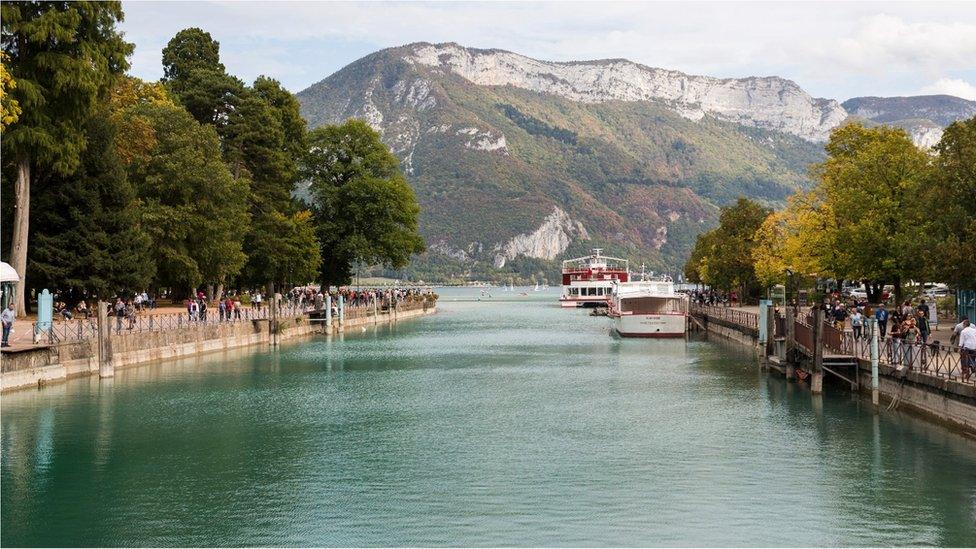
Police officers, returning from a routine inspection of the body of a Luger pistol, discovered the weapon floating two metres deep in Lake Annecy—just a few kilometres from the original crime scene. The pistol, a type known as the Luger P06 and used by the Swiss army until the 1960s, matches the fragments recovered at the scene where the victims were shot through the head.
The finding was reported by the international news service Marianne, which highlighted that the group of British tourists who surfed the lake noticed the object on 20 August. At first mistaking it for a water toy, they realised its heft and handed it to authorities.
Forensic teams are now extracting DNA, fingerprints, and other evidence from the damaged gun in hopes of establishing its provenance and linking it to a suspect. The decision to revisit the cold case comes as the French National Police continue their exhaustive review of leads that have long been dismissed.
The Saad al‑Hilli family—a British tourist from the United Kingdom, of Iraqi descent, and his wife and mother‑in‑law—were found in a car on a forest road near the village of Chevaline on 5 September, already still moving. A cyclist passing the vehicle was also killed with the same weapon’s fragments, indicating a single murder method.
The victims’ two daughters, aged four and seven at the time, survived the incident. One was severely hit by the pistol butt, while the other remained hidden inside the vehicle, escaping later detection by forensic investigators.
Experts consider the 3‑million‑unit Luger P06 widespread: the Swiss diaspora and families bordering the border might have kept the pistol as a collector’s item, making the weapon’s presence plausible. The jury of possibilities, ranging from family disputes to a motive‑free hit, now faces a tangible piece of forensic evidence that could finally close an investigation that has haunted French law‑enforcement since 2012.