In brief
With a potential government shutdown looming, federal agencies are preparing for disruptions in services and employee furloughs. While essential functions like immigration enforcement and healthcare programs like Medicare will continue, other operations such as new mortgage approvals under FEMA and NIH research initiatives could face significant delays. The shutdown's effects are set to ripple through various sectors, raising concerns over critical public services.
The federal government is on the verge of a partial shutdown, which will have various effects on public services and the broader U.S. economy. Employee furloughs and potential layoffs are expected to halt some government activities. However, essential operations such as NASA's space missions, ongoing immigration enforcement under Trump's administration, and certain public health initiatives at FDA and USDA would still take place.
Many employees from the Department of Homeland Security (DHS) will remain on duty, serving in crucial areas linked to law enforcement and funded by user fees. Approximately 14,000 out of 271,000 DHS staff could face furloughs, while most officials from vital divisions like Customs and Border Protection and the Federal Emergency Management Agency (FEMA) will continue to work.
Medicare and Medicaid Payments
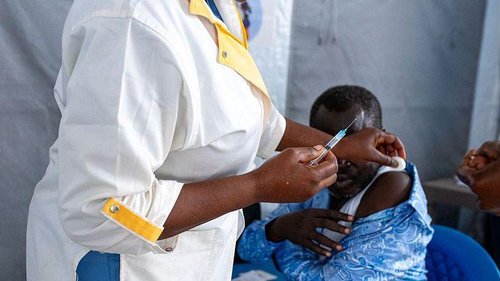
Medicare and Medicaid services will proceed, albeit with possible delays concerning staffing issues, such as during the mailing of Medicare cards, while states will keep receiving payments from the Children’s Health Insurance Program (CHIP) for the initial quarter of the new fiscal year.
Potential Impact on FEMA
FEMA's essential disaster relief functions are secured temporarily, but other facets will be affected, potentially pausing new grant approvals and halting the National Flood Insurance Program, which may obstruct new mortgage applications.
Air Traffic Controller Challenges
The National Air Traffic Controllers Association has flagged that without guaranteed pay, some controllers may face financial hardships during the shutdown. Additionally, educational activities to train new controllers would stop.
CDC and NIH Impacts
About half the workforce at the CDC would be furloughed, curtailing numerous health initiatives, while NIH research will be stalled, affecting patients awaiting entry into clinical trials.
Essential food safety activities at the FDA will continue as most of its staff will remain operational, mitigating immediate health risks. However, the prolonged shutdown could negatively impact long-term food safety initiatives.
State Department anticipates substantial furloughs of domestic staff yet will keep embassies functioning. Similarly, the EPA declares it will maintain some significant operations to meet legal obligations and protect property and lives.
The full ramifications of a shutdown loom, highlighting the importance of federal services, and pushing essential state functions into uncertainty.