Israel has taken the controversial decision to recognise the breakaway state of Somaliland as an independent nation, sparking condemnation from many other countries.
China is the latest to condemn the decision, with its foreign ministry spokesperson Lin Jian telling reporters: No country should encourage or support other countries' internal separatist forces for its own selfish interests.
This announcement comes ahead of an emergency session of the UN Security Council convened to discuss Israel's action.
On Friday, Israel became the first country in the world to acknowledge Somaliland as a standalone republic, more than 30 years after the region declared independence from Somalia.
While Somaliland's president has called the development a historic moment, Somalia has vehemently rejected Israel's recognition, considering it an affront to its sovereignty.
Countries and organizations including Turkey, Saudi Arabia, and the African Union have condemned Israel's decision, highlighting concerns over Somalia's territorial integrity.
Why does Somaliland want independence?
Following the overthrow of Somali military dictator Siad Barre in 1991, Somaliland declared independence. The turbulent secessionist struggle resulted in the deaths of tens of thousands and extensive destruction.
Despite its lack of international recognition, Somaliland operates a functional political system with government institutions, a police force, and its own currency. Historically, it was a British protectorate known as British Somaliland before merging with Italian Somaliland in 1960.
Proponents for Somaliland's independence argue that the region's predominantly Isaaq clan population differs ethnically from the rest of Somalia. Somaliland, with approximately six million residents, has enjoyed relative peace, contrasting sharply with the chaos in Somalia, which faces regular Islamist militant threats.
However, Somalia continues to assert that Somaliland is an integral part of its territory, with President Hassan Sheikh Mohamud branding Israel's decision as an existential threat to national unity.
Why did Israel recognise Somaliland as an independent state?
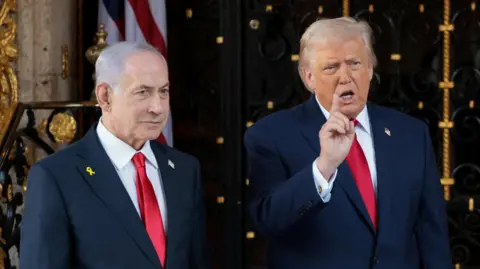
In a recent phone call, Israeli Prime Minister Benjamin Netanyahu communicated to Somaliland President Abdirahman Mohamed Abdullahi that Israel acknowledges Somaliland's right of self-determination and sees the potential for expanding partnerships.
Analysts suggest Israel's recognition is informed by strategic interests in the Red Sea, with the potential for collaborations against Iranian influence via the Houthis in Yemen.
Following Israel's declaration, the Houthis warned that any Israeli presence in Somaliland would be marked as a military target.
Reports indicated possible links between Israel's recognition and a plan involving the resettlement of Palestinians, which both Somali and Palestinian leaders emphatically opposed.
Why has Israel's move been condemned so widely?
The decision has drawn sharp criticism from various nations, including Egypt, Turkey, Saudi Arabia, the African Union, and several others who argue it breaches international principles and threatens Somalia's territorial integrity.
Concerns also arise that recognition of Somaliland may inspire separatist movements in other regions, leading to broader instability.
Is there any support for Israel's declaration?
While nations supportive of Somaliland have largely refrained from comments, the UAE, which maintains a military port in Somaliland, has remained silent. Similarly, Ethiopia has taken a cautious approach, opting for diplomacy concerning territorial integrity amidst the ongoing tensions.
As the international community grapples with the implications of Israel's bold recognition of Somaliland, the situation remains fluid, and potential consequences loom over both Somali and regional politics.