In brief
Donald Trump’s campaign promise to curb rising prices has turned into a political headache as inflation stays high. While the economy shows solid growth, low unemployment and record‑high stocks, voters focus on everyday costs. The root of these price increases now lies partly in energy shocks from the U.S.–Israel conflict and Trump‑era tariffs. Public perception of a hard‑to‑see economy has historically mattered more than the data itself, and the mid‑term election may hinge on whether Trump can close the gap between the numbers and the lived reality of households.
The White House is facing a dilemma that feels oddly familiar. Economic data looks respectable – growth remains strong and unemployment stays low – yet the public mood is sharp and skeptical.
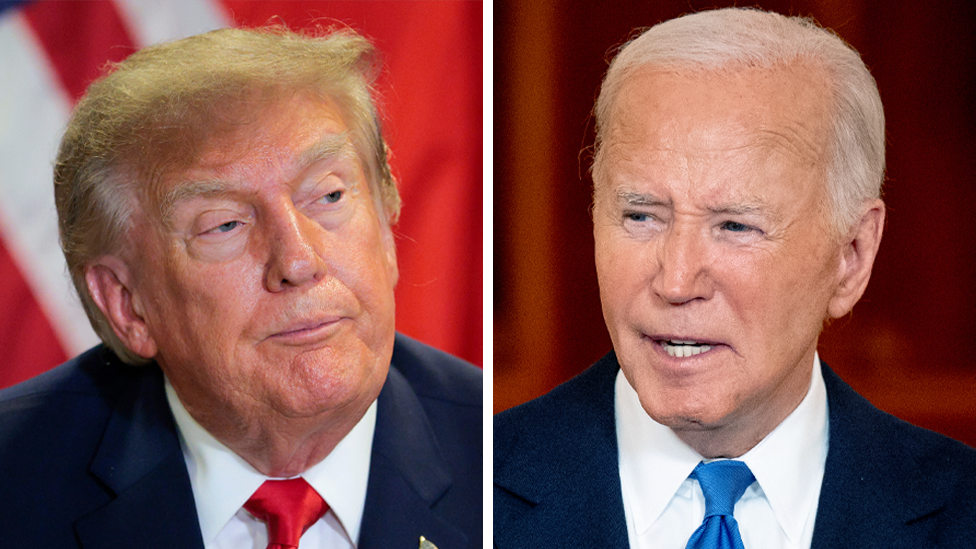
Joe Biden faced a similar disconnect in 2024. Voters were left unsettled even though headline numbers were solid.
Donald Trump now wrestles with the same issue. During the campaign he promised to cut prices swiftly, only to find that inflation remains stubbornly high.
In 2024 the economy grew 2.2% and the stock market brushed record highs, yet a recent inflation report confirmed that prices are still a burden for many households.
The causes differ: Biden’s inflation stemmed largely from pandemic‑related supply chain disruptions, while Trump’s comes at least partly from higher energy costs tied to tensions in the Middle East and from tariffs imposed on imports.
What matters to voters is not GDP figures or market peaks, but what shows up on supermarket shelves and at the gas pump.
Numbers only tell part of the story. A 2.2% growth rate is respectable by U.S. standards, and an unemployment rate of 4.2% is lower than when many felt crisis. Still, these quantitative markers do not smooth the price road for ordinary families.
Trump points to strong growth, investment and the near‑record stock market as proof of policy effectiveness, citing his own statement that the administration’s “aggressive, pro‑growth agenda” has cooled the inflation crisis that followed Biden.
Economic commentator Larry Kudlow has declared the current expansion the “greatest story never told,” insisting that no one is being laid off.
Other economists argue that the price pressure is linked to Trump’s tariff policies and the fallout from the U.S.–Israel conflict with Iran. Tariffs announced in April 2025 alone added roughly 3% to consumer goods prices.
The path to relief has been slow. Trump eventually paused some tariffs, struck new trade deals and lost the chance to use emergency powers after a Supreme Court ruling. Meanwhile oil prices have risen due to the geopolitical flashpoint, pushing petrol costs higher and tightening household budgets.
The White House highlights tax cuts, job growth and lower prescription drug costs as evidence that families feel the benefit of the administration’s policies. On the other side, Trump has called for a limit on credit‑card interest rates and has floated a $5,000 payment to adults if Republicans keep control of Congress.
These measures reflect a political reality that voters know all too well: when households feel price pressure, arguments about solid GDP and low unemployment rarely win elections.
History suggests that the perception of the economy can outweigh the actual data. Will Trump bridge that gap before the mid‑terms? That remains the key question for the upcoming election cycle.