In brief
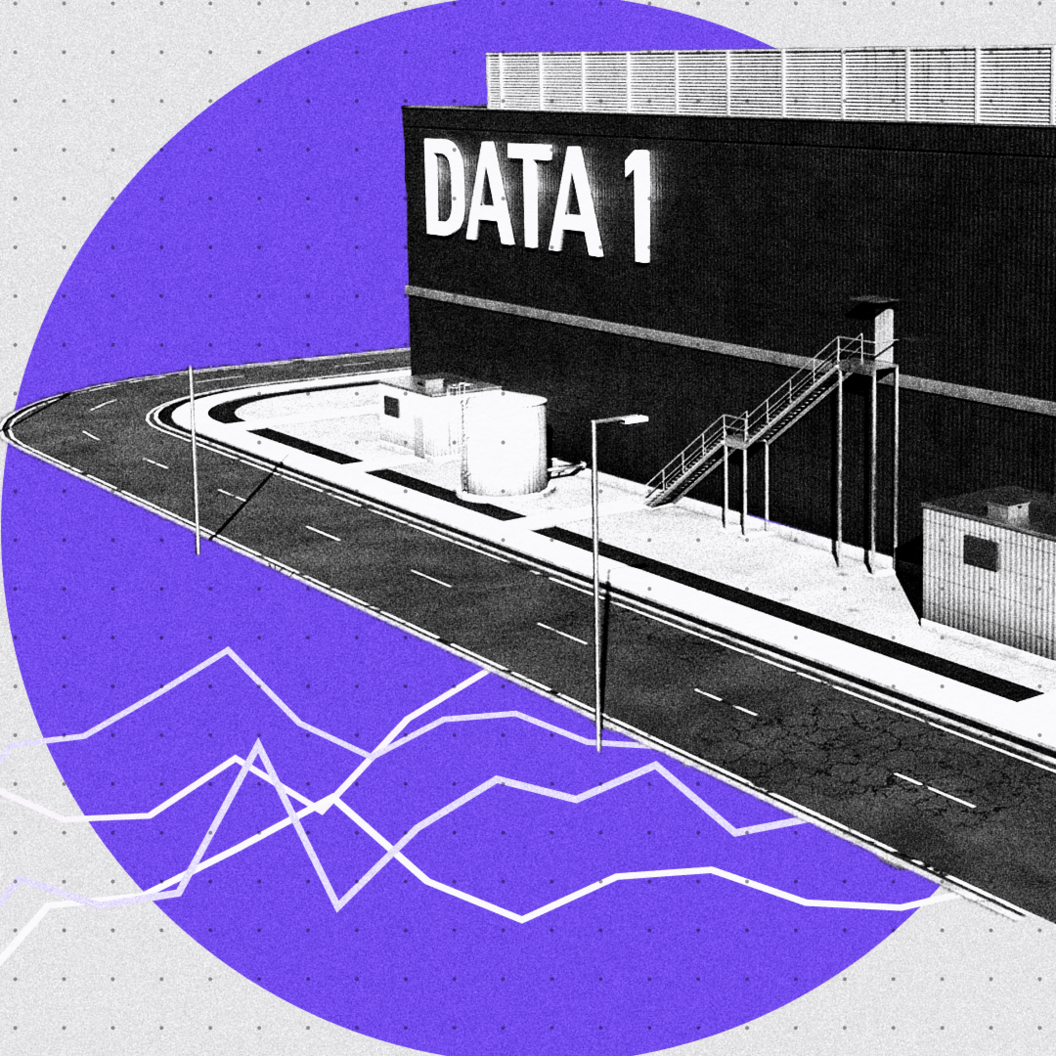
The rapid rise of data centres—massive facilities that feed AI engines like ChatGPT and SpaceXAI—has become a flashpoint before US midterm elections. With 12,250 sites worldwide, the US leads but faces backlash for soaring electricity, water use and noise. Politically, Republicans and Democrats clash, and President Trump dismisses criticism as a "sick conspiracy". Meanwhile, industry claims new centres create jobs and bolster national security, but scientists warn of carbon emissions comparable to an entire country's consumption. New ideas such as space‑based data hubs and efficient on‑device AI may reshape the future of this heated industry.
Until a few years ago most people were unaware of what a data centre was. These warehouse‑like complexes power everything from my phone call to the streaming marathon and form the backbone of the AI explosion.
Rapid Expansion
Data centres grew from around 8,000 operational sites in 2021 to over 12,250 worldwide today, according to Data Center Map. The United States alone hosts 4,767 sites, with Europe’s UK and Germany following.
Growing Energy Footprint
The energy demand is staggering: global data centres use more electricity than the entire country of France. Their cooling systems also consume large volumes of water, raising concerns about local shortages and regional air quality, especially where methane turbines power new facilities like SpaceXAI’s Colossus 2.
Political Storm Before the Midterms
The debate is heating up ahead of the 3 November 2026 midterm elections. Republicans and Democrats clash over whether more sites should be allowed. President Donald Trump dismisses the backlash as a "sick conspiracy," while 16 U.S. states have introduced bans or moratoria on new data centres.
Jobs, Economy and the Environmental Toll
Supporters claim data centres are critical for national security and the AI economy, creating construction and technical jobs. A Brookings report finds hyperscale facilities—run by Amazon, Microsoft and others—offer the greatest employment boost, whereas colocation sites bring fewer local benefits.
Future Directions
Industry forecasts predict AI infrastructure spending will exceed $1 trillion by 2027. To curb environmental impact, some companies are exploring space‑based or lunar data centres that could tap solar power, while others hope future on‑device AI will reduce the need for large server farms.