In brief
Trump’s second‑term immigration agenda has reshaped the US border in five key ways. The southern border has largely closed, with migrant encounters falling to single‑digit thousands each month. Wall construction accelerated from 250 miles to more than 1,700 miles of barriers and tech. ICE detentions spiked to record highs of nearly 40,000 a month, while deportations averaged over 1,200 daily. Refugee admissions plunged to just over 16,000 in FY 2026, mostly South Africans, and the Temporary Protected Status for Haitians was largely revoked. Finally, visa policy tightened with a $100,000 fee for H‑1B visas and a $1 million “Trump Gold Card” aimed at wealthy foreigners.
Donald Trump’s Five Pillars of US Immigration Policy
In his second term, President Trump has delivered on the central promise of a tougher border – and the data shows the move was swift and hard‑hitting. The following five measures outline how the administration has reshaped immigration.
1. A Border that is Largely Closed
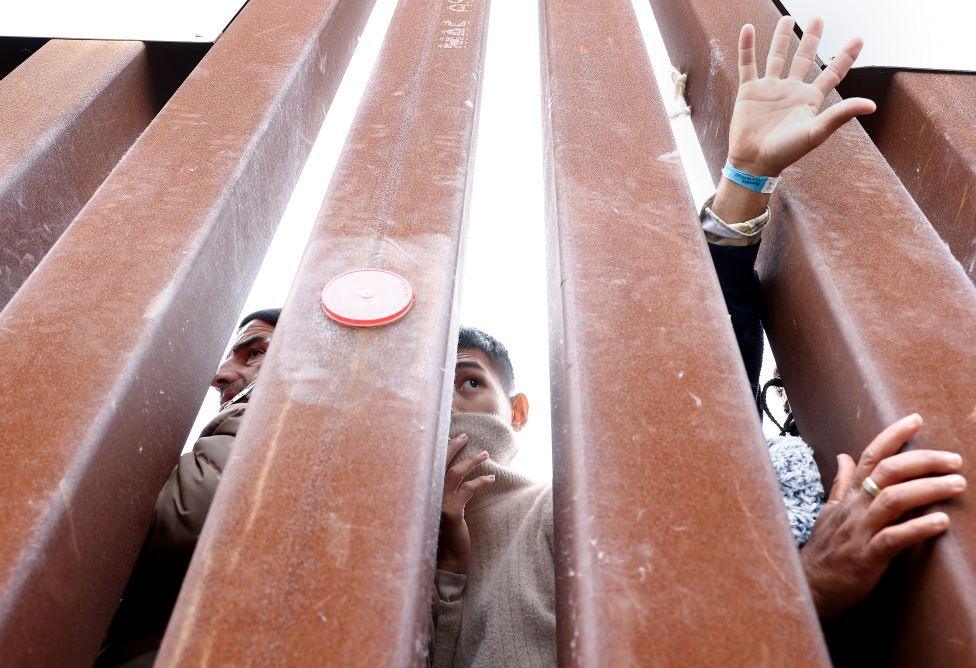
During Biden’s first year, over 4.5 million migrant “encounters” were logged annually. Trump’s re‑entry saw those numbers collapse to fewer than 30,000 per month by September 2025, and quiet streets replaced makeshift camps along the border.
2. Rapid Wall Construction
Pre‑Trump walls totaled 644 miles of primary barrier and 75 miles of secondary fence. Under the new bill, 250 additional miles were finished and a further 1,443 miles are under construction, accelerating the build‑out to roughly 1,700 miles today.
3. Detentions and Deportations Rocketing
ICE arrests surged to nearly 40,000 in July 2026, the highest in history, and average daily removals climbed to 1,255, up from 770 during the final months of the previous administration.
4. Refugee Intake Slashed Sharp
FY 2026 admissions totalled 16,292, 92% of which were South Africans following a narrowly reopened cap. This starkly contrasts with 60,000 and 100,000 counts during the last two fiscal years of Biden.
5. Visa Squeeze and a $1 Million Golden Ticket
The administration froze visas for “security‑risk” countries, raised H‑1B fees to $100,000, and launched the “Trump Gold Card,” offering a $1 million “gift” for wealthy entrants. Up to a month into the program only one applicant hit the final cut‑line.
These five pillars collectively represent a profound shift in US immigration policy, redefining who can enter, stay or leave the nation and setting the stage for the upcoming 2026 midterm electoral battleground.