In brief
In a sweeping move ahead of Israel’s national election, the IDF ordered the closure of all West Bank crossings and a ban on Palestinian workers entering settlements. The decision followed an attack that killed two soldiers and prompted a crackdown that included demolishing homes in Hebron. The operation has displaced thousands and raised concerns over collective punishment. Netanyahu’s hard‑line stance has inflamed tensions as the country heads to the polls.
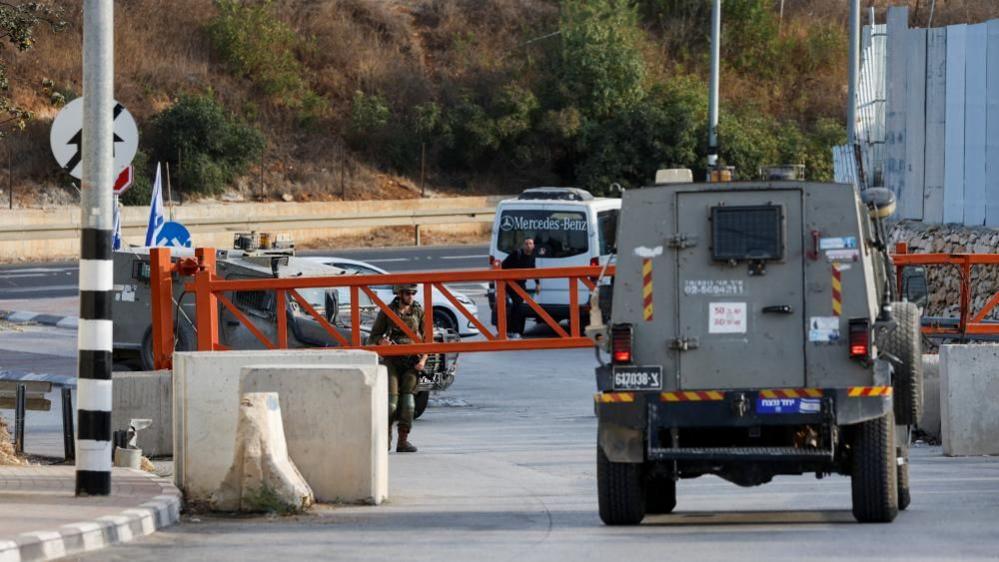
All West Bank land crossings are closed on Tuesday, the day of Israel’s national election, and Palestinian workers will be barred from all settlements.
The restriction follows an attack that killed two soldiers at a checkpoint and sparked a crackdown in the occupied territory. The IDF announced a ban on entry and exit of Palestinian workers across Judea, Samaria and the Jordan Valley, including industrial zones, and the closure of all land crossings.
Even before the ban, the military had cordoned off Hebron, heavily limiting movement for its 200,000 residents. The operation has seen the demolition of homes and businesses, displacing roughly 2,000 people and flattening an entire street, according to footage shared online.
The move reflects a broader strategy tied to the election, with Prime Minister Benjamin Netanyahu threatening a “very big surprise” for the Palestinian Authority and an intensified push to secure the votes of far‑right settlers and voters.
Displaced families in Hebron have voiced that the raids are driven by political calculations rather than security concerns, a view echoed by the mayor who said the operation was aimed at influencing votes.
The tension has spilled into the capital, where hundreds of thousands gathered for a large protest organized by the October Council—formed by families of victims and hostages from the recent attack—to demand accountability and an inquiry into the government’s failure to prevent the assault.
As Israeli security forces continue to tighten restrictions, the region faces a growing humanitarian crisis while the country’s political future hangs in the balance.