In brief
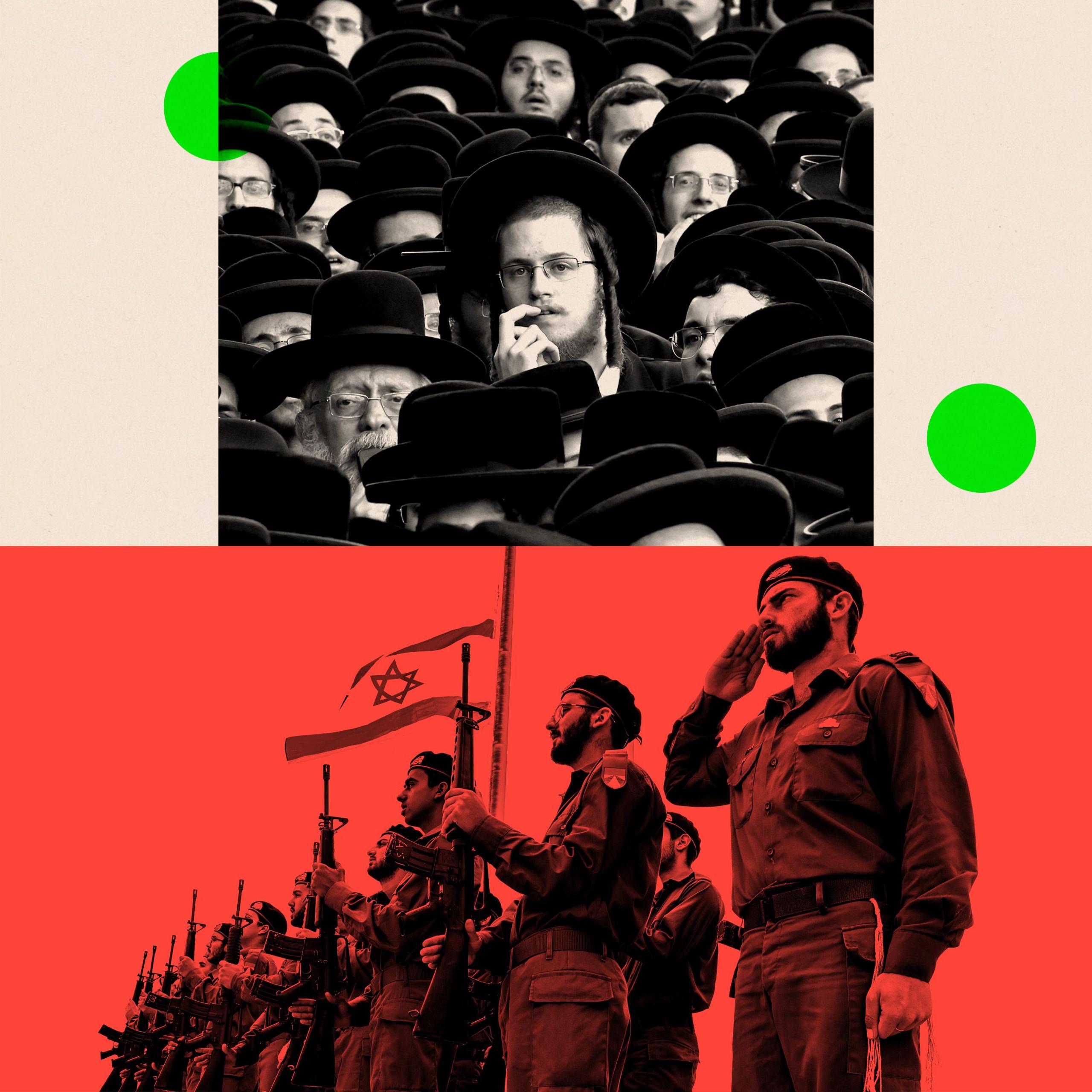
In the town of Modi‑in, Haredi men blocked security forces from arresting a student who refused conscription, sparking a broader protest that has rattled Israel’s political landscape. The ultra‑Orthodox community, now making up 14% of the population and expected to reach a third by 2050, has long enjoyed a blanket draft exemption, a policy that critics say is untenable amid ongoing wars in Gaza and the West Bank. Netanyahu’s coalition, dependent on the votes of Haredi parties United Torah Judaism and Shas, faces a growing split as these groups demand more concessions on the draft and challenge the government’s handling of the fiscal burden that subsidises their religious studies. While a new Haredi party offers a compromise, the entrenched divide may decide if Netanyahu keeps power or summons a new coalition, making the draft issue the election’s linchpin.
In the town of Modi‑in, east of Jerusalem and Tel Aviv, a flashpoint erupted when hundreds of Haredi men in white shirts and black fedoras confronted police officers trying to arrest a student who refused military service. The incident is one of many in recent months that expose a deep fault line in Israeli society: the ultra‑Orthodox community’s long‑standing exemption from the mandatory draft, a privilege that has been challenged by the country’s ongoing conflicts with Hamas and the West Bank.
The Growing Demographic Divide
The Haredi population occupies roughly 14% of Israel’s residents today and, with a birth rate far above the national average, could reach a third of the Jewish population by 2050. Subsidies that allow full‑time Torah study cost the state about 35 bn shekels (£8.4 bn) each year. More members means more pressure toward a broader societal integration that many Haredi leaders vehemently oppose.
Political Fallout
Netanyahu’s ruling coalition, which relies on the support of the two main Haredi parties – United Torah Judaism (UTJ) and Shas – now faces a crisis. Polls suggest the coalition could fall short of the 61 seats needed for a majority if the parties withdraw, and Netanyahu may need to negotiate concessions on the draft or cut subsidies. Opposition leaders have made the conscription issue a key platform, with some calling for immediate mobilisation of all eligible Jews.
A New Road? The Haredi Public Party
A fledgling Haredi party announced earlier this year, pledging a compromise that would allow religious study while expecting its members to serve alongside peers who are not full‑time students. It is the first Haredi party to field female candidates, signalling an attempt to broaden its appeal. Whether this new force can break the stalemate remains uncertain, as the core of the Haredi electorate continues to heed rabbinical guidance above all else.
The Stakes for Israel
The Haredi draft dispute is more than a civil‑rights question; it is a linchpin of Israel’s national security strategy amid an intensifying regional conflict. If the government cannot secure broader support for the draft, the chain of command and the war effort could be severely undermined. Meanwhile, the political ramifications may upend the status quo, redefining the balance of power for years to come.