In brief
A life‑sentenced murderer in Victoria fought to overturn the state's Vegemite ban, claiming it denied him a right to enjoy Australian culture. The Supreme Court dismissed the appeal, saying the prison policy does not violate inmates’ rights. Authorities justify the ban by citing concerns over drugs and alcohol disguised in the spread, and the strong smell hindering detection dogs. Despite being a beloved national spread, Vegemite remains prohibited in several Australian prisons. The case highlights the tension between security protocols and cultural freedoms behind bars.
A life‑sentenced murderer in Victoria has lost the fight to bring back a beloved national spread to prison walls. Andre McKechnie, 54, sued Victoria’s Department of Justice and Corrections, arguing that a ban on Vegemite infringed his right to maintain cultural well‑being.
The court rejected the claim, stating that the prison policy, which has been in place since 2006, does not contravene the law that requires inmates to receive food that supports health. Corrections officials explained that the thick, salty paste can mask contraband or help brew alcohol, while its strong scent can interfere with sniffer dogs used to detect drugs.
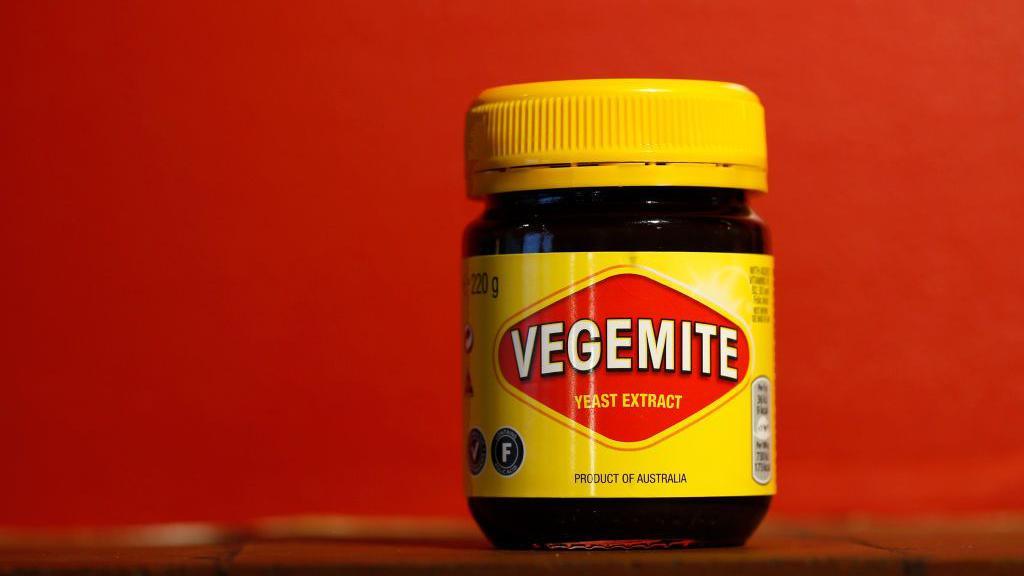
Vegemite is banned in other Australian jurisdictions, including Queensland, South Australia and Tasmania. The spread debuted in Melbourne over a century ago as an alternative to the British Marmite and has since become an iconic symbol of Australian life.
McKechnie’s appeal illustrates the ongoing debate over cultural rights versus security concerns in correctional settings. The decision leaves the Vegemite jar far from the prison pantry – and the prisoner’s sense that his heritage remains out of reach.