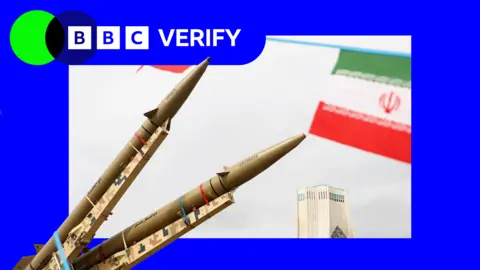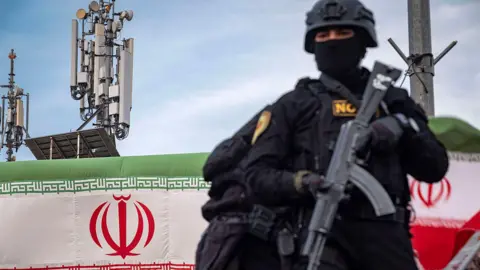
Iran is now 10 days into one of the most extreme internet shutdowns in history, with 92 million citizens cut off from all internet services, including disruptions to phone and text messaging. The Iranian government initiated these measures on January 8 to suppress dissent and limit international scrutiny during a crackdown on protests. In a statement, Iranian Foreign Minister Abbas Araghchi attributed the shutdown to reactions against so-called externally directed 'terrorist operations.'
There has been speculation regarding the restoration of internet services, with some reports indicating plans for a shift toward permanent restrictions. An Iranian government spokesperson, Fatemeh Mohajerani, suggested that international web access may not resume until at least the Iranian New Year in late March. Internet freedom advocacy group FilterWatch warns of the government introducing systems designed to isolate Iran from the global internet.
For years, Iran has maintained strict control over the internet, blocking western social media and external news sites. During previous protests, shutdowns were routinely used to obscure violent government actions against demonstrators. In the current blackout, businesses have been severely impacted, especially in e-commerce, as daily dealings rely heavily on the internet.
Estimates indicate over 3,300 confirmed deaths among protesters, with more arrests reported. The absence of reliable communication has hampered fact-checking, leading many to believe the actual numbers of those affected are much higher.
Digital rights advocates assert that these restrictions do not merely threaten lives but also embolden governments to evade accountability for human rights violations. Observers Hamed and Tatyana describe the internet shutdown as potential groundwork for a system that mirrors China's internet controls, highlighting a dangerous shift in governance in which access to information would become a privilege instead of a right.
As international discourse around digital rights and state censorship continues, the possibility of Iran's transition into a permanently restricted digital framework raises significant concerns about the future of internet access in one of the world’s most surveilled and restricted regions.
There has been speculation regarding the restoration of internet services, with some reports indicating plans for a shift toward permanent restrictions. An Iranian government spokesperson, Fatemeh Mohajerani, suggested that international web access may not resume until at least the Iranian New Year in late March. Internet freedom advocacy group FilterWatch warns of the government introducing systems designed to isolate Iran from the global internet.
For years, Iran has maintained strict control over the internet, blocking western social media and external news sites. During previous protests, shutdowns were routinely used to obscure violent government actions against demonstrators. In the current blackout, businesses have been severely impacted, especially in e-commerce, as daily dealings rely heavily on the internet.
Estimates indicate over 3,300 confirmed deaths among protesters, with more arrests reported. The absence of reliable communication has hampered fact-checking, leading many to believe the actual numbers of those affected are much higher.
Digital rights advocates assert that these restrictions do not merely threaten lives but also embolden governments to evade accountability for human rights violations. Observers Hamed and Tatyana describe the internet shutdown as potential groundwork for a system that mirrors China's internet controls, highlighting a dangerous shift in governance in which access to information would become a privilege instead of a right.
As international discourse around digital rights and state censorship continues, the possibility of Iran's transition into a permanently restricted digital framework raises significant concerns about the future of internet access in one of the world’s most surveilled and restricted regions.