In brief
The Irish government is in talks to finalize a fuel support package after consultations with haulage and farming representatives. Protests against escalating fuel prices, a consequence of the ongoing US-Israeli conflict affecting oil supply, have caused significant disruptions, prompting government officials to stress the urgency of resolving the situation.
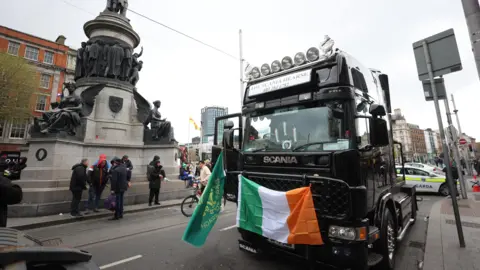
The Irish Government has confirmed that a fuel support package is being finalised after a day of constructive engagement with representatives from the haulage and farming sectors. This move comes as protests against high fuel prices have persisted for several days, significantly disrupting travel across the Republic of Ireland. Vehicles, including tractors, are participating in slow-moving convoys, blocking major roads.Initially spurred by rising fuel costs linked to the ongoing US-Israeli war against Iran, demonstrations intensified, with Irish ministers stating that no further support would be announced until the blockades ceased. Tánaiste (Irish Deputy Prime Minister) and Finance Minister Simon Harris has indicated that a substantial economic support package is on the way, but emphasized that the protests hinder progress.Despite ongoing talks, Harris reiterated the necessity for concluding the blockades. Taoiseach Micheál Martin described the protests as perilous to the nation's economy, warning that the situation could lead to a significant halt in oil supplies.Reportedly, protests have impeded traffic on routes leading to Northern Ireland and around Dublin, prompting the National Emergency Coordination Group to address dwindling fuel supplies for emergency services.Many protesters are committed to the cause, with farmer John Dallon expressing readiness to continue protests for weeks if necessary. Sinn Féin leader Mary Lou McDonald criticized the government's approach, emphasizing the need for inclusivity in negotiations.The protests have caused severe implications for everyday life, with delivery services like DPD Ireland suspending operations temporarily and citizens warned to expect delays in travel due to ongoing disruptions. The escalation in fuel prices seems to have been exacerbated by a reduction in oil supply, causing diesel prices to soar from around €1.70 to €2.17 per liter.The situation remains fluid with potential solutions in the air, as the government continues to navigate these challenges amid social unrest.