In brief
In Hagerstown, Maryland, local protests erupted against Immigration and Customs Enforcement (ICE) as officials discussed plans to convert a warehouse into a detention center. Community members voiced their opposition loudly, citing moral objections and a lack of prior notification. The DHS is currently reviewing its plans amid legal challenges and community outcry.
HAGERSTOWN, Md. (FlashPoint) — Horns blared and protesters screamed Stop ICE! outside a recent county meeting in Hagerstown, Maryland, where officials discussed budget concerns, overshadowed by escalating tensions regarding a proposed ICE detention facility.
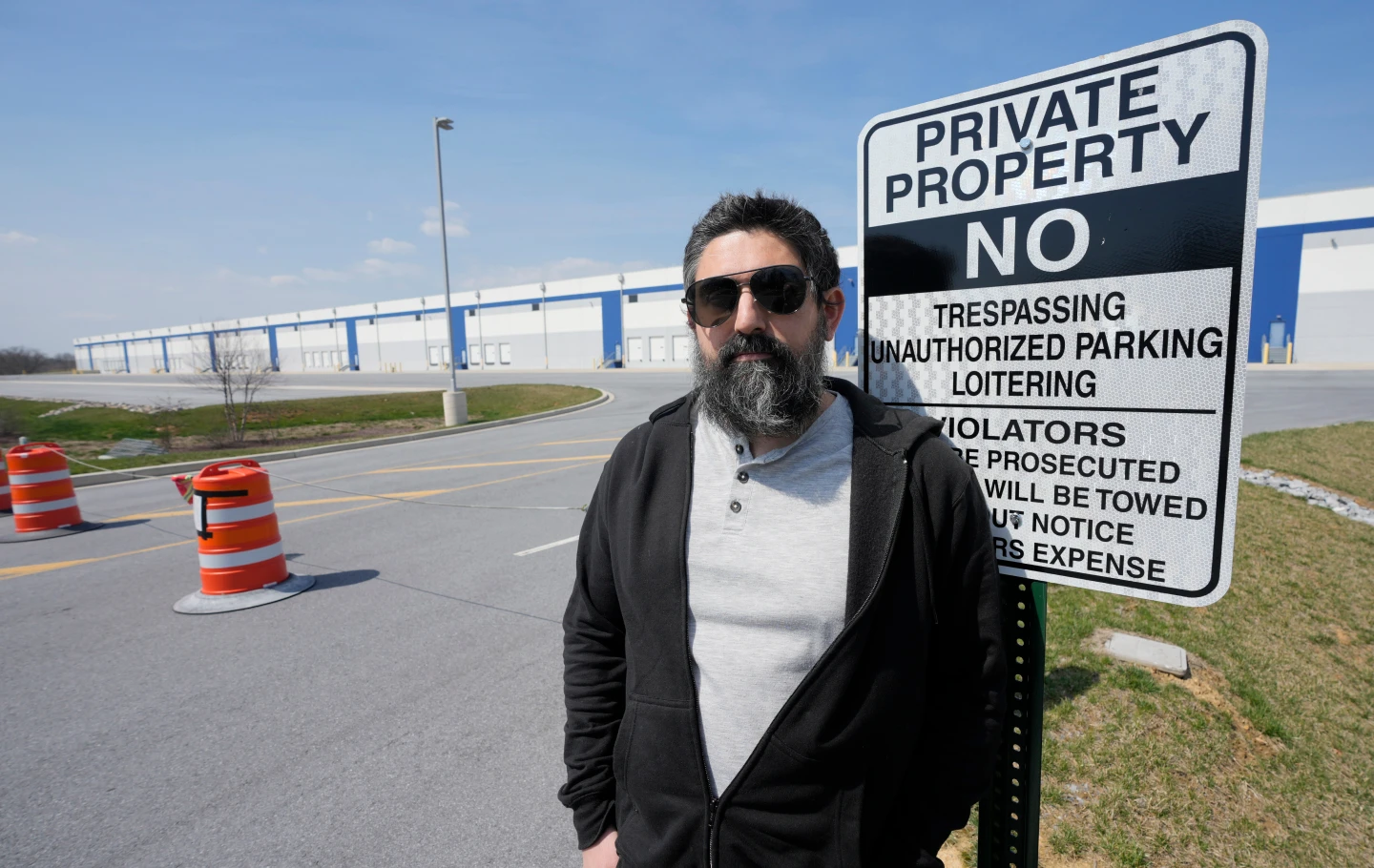
This tension stems from the Department of Homeland Security's recent acquisition of an 825,000-square-foot building in Washington County, aimed at transforming it into a detention facility for immigrants. Patrick Dattilio, founder of the group Hagerstown Rapid Response, attributed the hostility to the government's intentions, asserting, This is a facility built for packages, not people.
The federal investment in the area amounts to over $1 billion for 11 warehouses, as Secretary of Homeland Security Markwayne Mullin reviews the plans. In Washington County, officials have shown some support for ICE, albeit amidst vocal opposition.
The future of the Washington County facility hangs in limbo due to paused plans and ongoing legal disputes. The community's response has been marked by significant opposition, with activists raising concerns about the lack of communication from authorities on this decision.
During a heated county meeting, commissioners proclaimed their unwavering support for ICE, which was met with boos and jeers from residents who felt sidelined. Local accounts reveal that many citizens are outraged not just over the facility's moral implications but also due to being kept in the dark about the purchase process.
"We have had no voice in this," complained resident Carroll Sager, who sat holding a sign that read: Disenfranchised in Washington County. While commissioners approve proclamations that support ICE, the lack of transparency coupled with legal challenges to the warehouse-to-detention center project has left the community in disarray.
This situation reflects a broader trend across the U.S., where communities are expressing resistance to similar DHS plans with legal actions, protests, and threats to restrict essential services like water. As local sentiments grow, questions remain on the future of the planned facility and the community's role in shaping this trajectory.