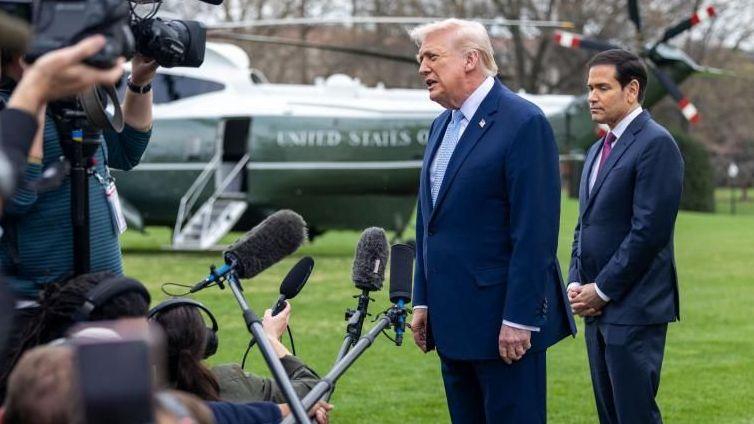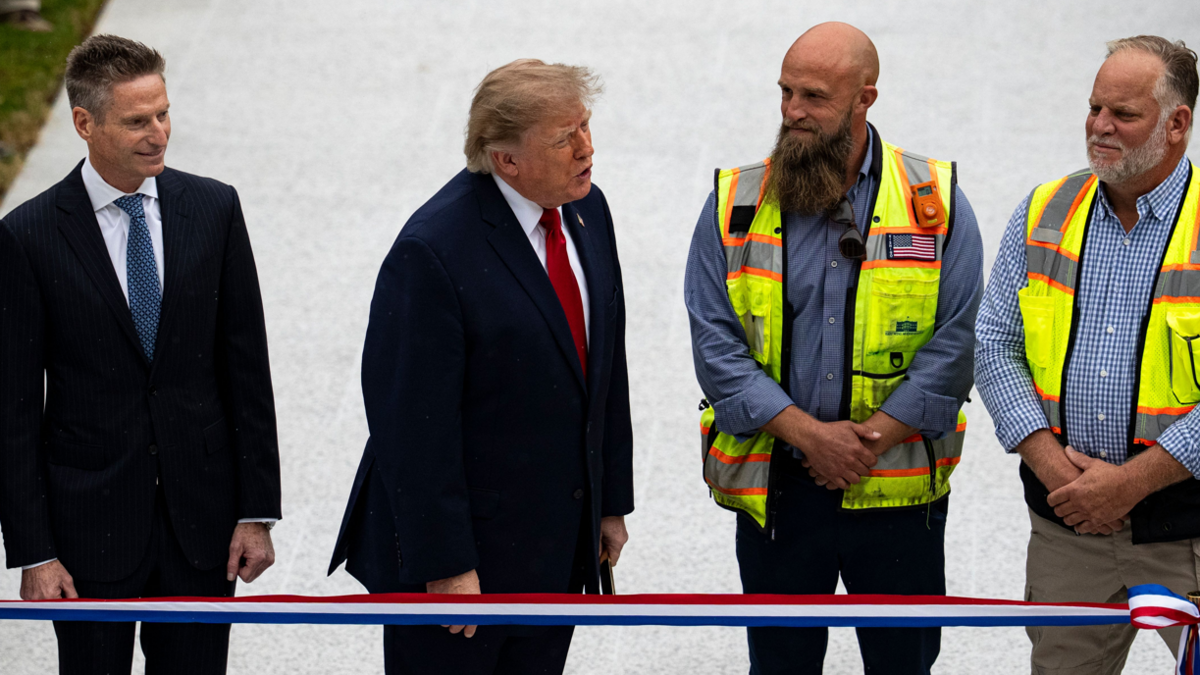
When President Donald Trump unveiled a new helipad on the White House South Lawn, the ribbon‑cutting ceremony went largely unnoticed by live television. The event was played on broadcast feeds, but the audio was faint and the camera stream lacked the usual TV‑pool coverage.
The core of the issue is the White House press pool system – a group of news organizations that share resources to follow the president from the Oval Office to Air Force One. Five TV networks—CNN, ABC, CBS, Fox News and NBC—normally operate a rotating pool that supplies the entire media landscape with footage and notes.
On Friday Trump announced that he was banning CNN, Politico and MS NOW from the White House, accusing the outlets of “fake news” and “lies” about his team. The next day reporters from those outlets discovered their entry badges had been deactivated, sparking a backlash from American media.
In response, the five major U.S. TV networks issued a joint statement and stopped covering events that are “pool‑designated.” This boycott left the helipad ceremony unfilmed by pool cameras, resulting in a blurry, low‑hemicall video. The lack of microphones also made Trump's speech difficult to hear, a problem that did not occur at later events such as his meeting with New York Mayor Zohran Mamdani.
The networks assert that the Trump administration violated the First Amendment by restricting access to the press based on content. The First Amendment protects press freedom and forbids government discrimination against media outlets for their coverage.
CNN, Politico and MS NOW have filed a lawsuit seeking a court order to preserve the principle that the government cannot decide what the press reports. A hearing is set for Wednesday, with the courts weighing whether the ban barriers constitute an unconstitutional restraint of the press.
Trump dubbed the outlets “third‑rate” and “crooked press,” blaming them for “trivialising” his achievements, and warned that his team would appeal the decision. The White House launched a 24/7 YouTube channel called “Trump TV,” offering replays of past speeches but replacing the traditional pool coverage with a unilateral broadcast.
A similar clash surfaced in February when former administrations limited access for certain outlets, including a brief exclusion of Fox News in 2009. Earlier moves by Obama’s team to exclude Fox were reversed after rallying pressure from its rivals.
This standoff highlights a fragile relationship between the president and journalists, raising questions about whether the 100th‑year‑old press pool can survive in the current era of partisan media wars.