The Iran-backed Houthis in Yemen have launched a barrage of missiles against Israel, marking their first military action in the context of the escalating US-Israel conflict against Iran. In a statement, the Houthis said they targeted 'sensitive Israeli military sites' and vowed to continue these attacks. Israel confirmed it intercepted at least one missile originating from Yemen.
This involvement of the Houthis, who align themselves with a broader 'axis of resistance' including Hezbollah and Hamas, raises fears of further instability in the region and potential disruptions to global economic activities. The Houthis possess capabilities to threaten shipping in the strategically vital Red Sea, which is pivotal for international trade, particularly oil transport.
The ongoing civil war in Yemen has seen the Houthis gain significant control, with a stronghold on the country's Red Sea coastline since taking over the northwest in 2014. Recent conflict developments—including missile strikes and military actions—have illuminated the group's readiness to intervene directly in support of what they perceive as their allies in the region, particularly in light of US and Israeli operations against Iran.
Prior to this missile strike, Houthi military representatives indicated readiness for direct military responses against any countries involved in strikes or other military operations against them. Following the supply of ballistic missiles, they affirmed their attacks would persist until aggression against the 'resistance fronts' stopped, signifying an escalation in the regional conflict and indicating a shift in the scope of hostilities.
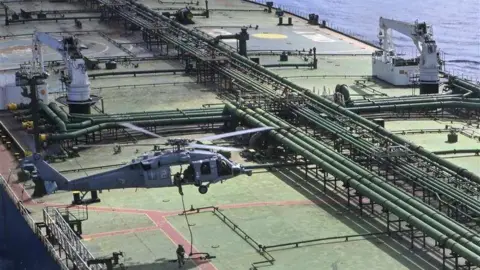
As the U.S. continues its military actions against Iranian sites and pressures surrounding the Strait of Hormuz ramp up, geopolitical tensions threaten to destabilize oil markets and impact global economies that rely on these shipping routes. The Houthis previously attacked vessels in the Bab al-Mandab Strait, prompting concerns about maritime security in a corridor crucial to world trade.
The effective closure of the Strait of Hormuz by Iran, additionally, complicates Saudi Arabia's oil transit routes, leading to significant shifts in global shipping patterns and influencing energy prices worldwide. This new phase of attacks serves as a reminder of the complex interdependencies and cascading impacts that regional conflicts can have on global stability.
This involvement of the Houthis, who align themselves with a broader 'axis of resistance' including Hezbollah and Hamas, raises fears of further instability in the region and potential disruptions to global economic activities. The Houthis possess capabilities to threaten shipping in the strategically vital Red Sea, which is pivotal for international trade, particularly oil transport.
The ongoing civil war in Yemen has seen the Houthis gain significant control, with a stronghold on the country's Red Sea coastline since taking over the northwest in 2014. Recent conflict developments—including missile strikes and military actions—have illuminated the group's readiness to intervene directly in support of what they perceive as their allies in the region, particularly in light of US and Israeli operations against Iran.
Prior to this missile strike, Houthi military representatives indicated readiness for direct military responses against any countries involved in strikes or other military operations against them. Following the supply of ballistic missiles, they affirmed their attacks would persist until aggression against the 'resistance fronts' stopped, signifying an escalation in the regional conflict and indicating a shift in the scope of hostilities.
As the U.S. continues its military actions against Iranian sites and pressures surrounding the Strait of Hormuz ramp up, geopolitical tensions threaten to destabilize oil markets and impact global economies that rely on these shipping routes. The Houthis previously attacked vessels in the Bab al-Mandab Strait, prompting concerns about maritime security in a corridor crucial to world trade.
The effective closure of the Strait of Hormuz by Iran, additionally, complicates Saudi Arabia's oil transit routes, leading to significant shifts in global shipping patterns and influencing energy prices worldwide. This new phase of attacks serves as a reminder of the complex interdependencies and cascading impacts that regional conflicts can have on global stability.