In brief
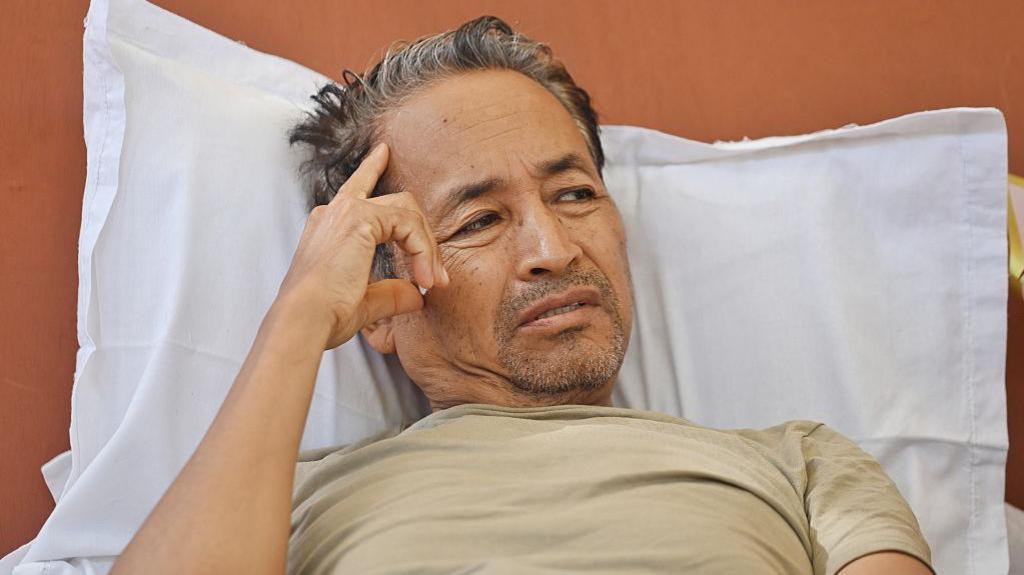
Educationist Sonam Wangchuk had been on an 18‑day abstention strike at Jantar Mantar, offering only salt and water, to protest alleged paper‑leaks in the NEET‑UG 2026 exams. Police intervention on Saturday forced him onto an ambulance and he was taken to Safdarjung Hospital under a court order. His wife demanded that no treatment be administered without family consent. CJP founder Abhijeet Dipke vowed an indefinite fast in his place and called for the resignation of Education Minister Dharmendra Pradhan and later Prime Minister Narendra Modi.
On 18 January, 59‑year‑old educationist Sonam Wangchuk was removed from his 20‑day hunger strike at the historical Jantar Mantar observatory in New Delhi. The protest, held by the satirical Cockroach Janta Party (CJP) against alleged paper‑leaks in India’s NEET‑UG 2026 medical entrance examination, saw him consuming only salt and water and losing more than nine kilograms.
Police and paramilitary forces stormed the stage at 07:30 local time, covering Wangchuk in bedsheets, and hauled him onto an ambulance. Twenty minutes later the driver sped away and the activist was admitted to Safdarjung Hospital. His wife, Gitanjali Angmo, urged on social media that no oral or intravenous medication be given without the consent of her and Wangchuk’s doctors.
Hospital officials confirmed that Wangchuk was weak from prolonged fasting and mildly dehydrated, but his vital signs were stable. A Delhi High Court order had already required the federal government to monitor his condition and provide treatment as needed.
CJP founder Abhijeet Dipke announced an indefinite fast in Wangchuk’s place, vowing that the march to Parliament on 20 July would go on regardless of the activist’s removal. He broadened the demand to include the resignation of Prime Minister Narendra Modi after the police action was called “shocking coercive state violence” by opposition MPs.
Delhi Chief Minister Arvind Kejriwal met with Wangchuk and urged the government to engage with the protesters, claiming that years of exam‑paper leaks left many students harmed. He urged the replacement of Minister Dharmendra Pradhan with Wangchuk himself.
The dispute over the protest continues as the CJP followers claim that the removal of Wangchuk will not halt the demonstrators’ call for democratic accountability. The rally is scheduled to conclude with a peaceful march to Parliament on 20 July, backed by both social media support and institutional opposition.