In brief
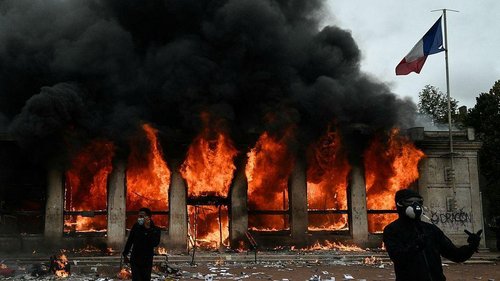
Last week, the iconic 19th‑century town hall in Limoges was set alight by protestors, leaving the wooden clock tower collapsed and the building charred. The mayor, Guillaume Guérin, called the incident a national tragedy, while two men – a 66‑year‑old and a 34‑year‑old – were arrested and linked to radical‑left organisations. Amid calls from local residents and politicians for calm, France’s political divide deepened as the fire fed into a broader narrative of cost‑of‑living protests, impacting opinions ahead of the upcoming election. The blaze has become a stark symbol of how civic spaces can be violently reclaimed by a country in turmoil.
Limoges, France – Amid a wave of nationwide protests over the high cost of living, a historic 19th‑century town hall on the banks of the Vienne was reduced to a charcoal skeleton, with its wooden clock tower collapsing into flames. The blaze has ignited a fierce debate across the country: is the fire a symptom of deep‑seated economic frustration or an unacceptable escalation of violence?
Mayor Guillaume Guérin, on his sixteenth week in office, called the incident a “historical tragedy for France” and said the destruction had “legitimate” backlash from protestors who had set the building alight. He linked the fire to national leftist networks, citing two arrests – a 66‑year‑old man and a 34‑year‑old suspect – both linked to radical‑left organisations.
The town’s civic heart remains soot‑stained and fractured: flowers have been laid outside the ruined façade, and mourners, including those who had married at the hall, gathered to grieve what they call “a symbol of the republic.” Images circulate of the interior, where plain parquet floors are littered with shattered glass and a fireman pushing a chair across the wreckage.
Beyond Limoges, the fire has echoed louder in national politics. While Vice‑President JD Vance reportedly sent a message of support, President Emmanuel Macron has yet to respond. Guérin warned that the incident could influence the presidential election scheduled in six months, stating, “This country is not doing well at all.”
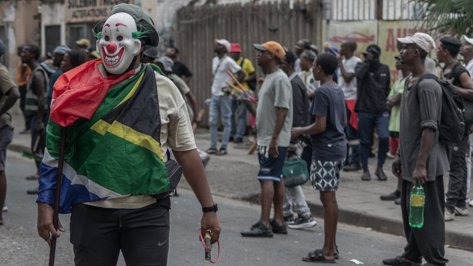
The protests, originally sparked by frustrations over school conditions, have now morphed into broader grievances over expensive living and government policies. Between the rise in fiscal deficits and the concentration of opinion in the National Assembly, the pressure on French politics is mounting. Prime Minister Sébastien Lecornu visited Limoges on Friday to oversee restrictions, including overnight curfews and a cap on gatherings to ten people.
Among the voices on the outskirts of town, a 19‑year‑old medical student named Jade reminds readers that for many, “burning the town hall is sad, but it isn’t the saddest part of the protests.” She laments living on a €300 monthly budget and the lack of respect for young adults. A 24‑year‑old student, Alexander, echoed similar sentiments, asking whether the destruction of Limoges town hall reflects a widening divide that could hurt their livelihoods.
Local business owners, as well, weigh in. Jean Roger Faucher, a fishmonger who had married in the hall, says that while some grievances are understandable, “once vandalism takes lives at risk, we cannot accept it.” Meanwhile, a local market vendor, Pascale Vuylsteke, working 100 hours a week, struggles to reconcile the community’s frustration with the daily reality of productivity and survival.
Historically, Limoges has been a centre for the French labour movement, growing alongside its porcelain industry. The loss of this architectural landmark could either deepen division or serve as a watershed moment that shifts the narrative from destruction to democratic debate. With France’s political polarisation likely to persist, France’s citizens must decide whether to rebuild the town hall or the discourse it represents.
<strong>Additional reporting by Paul Pradier</strong>