In brief
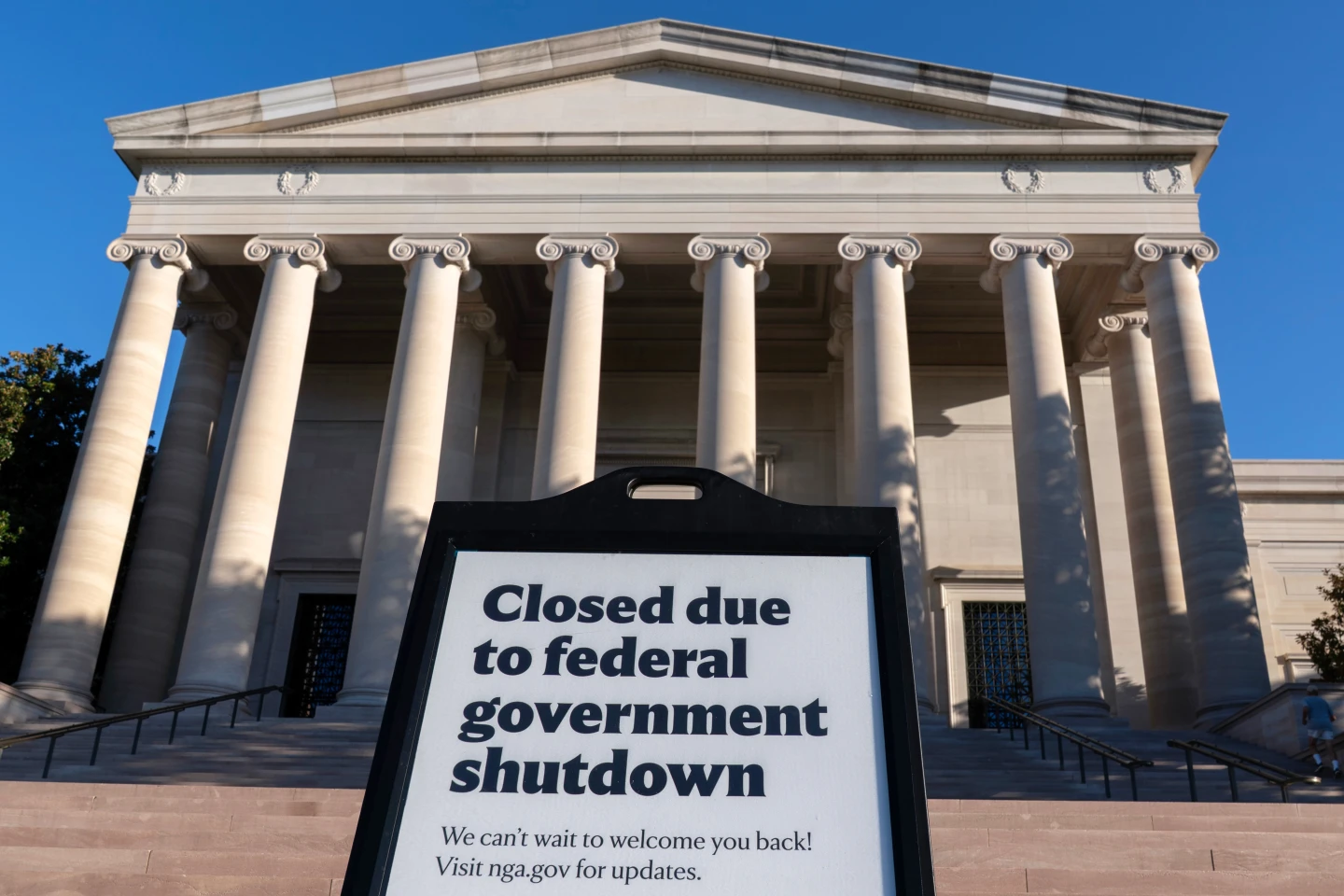
The ongoing federal government shutdown, nearing its one-month mark, is starting to present significant challenges across the nation. With programs such as SNAP food assistance and others poised to shut down, millions of Americans are facing uncertain futures. Additionally, active-duty military members risk missing paychecks as contingency funds dwindle. Local programs such as Head Start are also jeopardized without new federal funding.
With the federal government shutdown nearing the one-month mark, Americans are starting to see the cascading effects of programs shuttered by lapses in federal funding. Some states are scrambling to find ways to account for shortfalls in food and child development assistance, and members of the military are also about to miss their first paychecks.
Some federal workers have already gone without pay for weeks. But nearly a month in, reserves that had kept some programs afloat since the shutdown began are dwindling, meaning new layers of complications as Congress remains unable to reach a new agreement to fund the federal government.
Friday
According to the Trump administration, funding will run out for the food assistance program that is relied upon by 42 million Americans to supplement their grocery bills. The administration has rejected using more than $5 billion in contingency funds to keep the Supplemental Nutrition Assistance Program flowing into November. SNAP helps about 1 in 8 Americans buy groceries using debit cards normally loaded each month by the federal government. Some states have pledged to keep the benefits flowing even if the federal program halts payments, but a memo from the U.S. Department of Agriculture — which administers the program — says states would not be reimbursed for temporarily picking up the cost.
Another program that helps more than 6 million low-income mothers, young children and expectant parents purchase nutritious staples, like baby formula, will likely run out of funds next week. Earlier this month, WIC received a $300 million infusion from the Trump administration, but those funds are running out, too.
Also on Friday, the nation’s 1.3 million active-duty service members are at risk of missing a paycheck. Earlier this month, the Trump administration ensured they were paid by shifting $8 billion from military research and development funds. However, it is unclear if the Trump administration is willing — or able — to shift money again.
Moreover, the Pentagon confirmed that it had accepted an anonymous $130 million gift to help pay military members during the shutdown, which only contributes a small amount toward the billions needed to cover service member paychecks.
Saturday
More than 130 Head Start preschool programs won’t receive their annual federal grants on November 1 if the government remains shut down, according to the National Head Start Association. Centers are scrambling to assess how long they can operate, since nearly all their funding comes from federal taxpayers. Head Start provides education and child care for the nation's neediest preschoolers, and closure of centers would force families to miss work or school.