WASHINGTON (AP) — The political arena in the U.S. has seen a notable shift towards the normalization of explicit language. In 2010, Vice President Joe Biden's use of profanity to convey the significance of the Affordable Care Act was considered shocking. Now, such expressions are common as political leaders embrace a coarser form of communication.
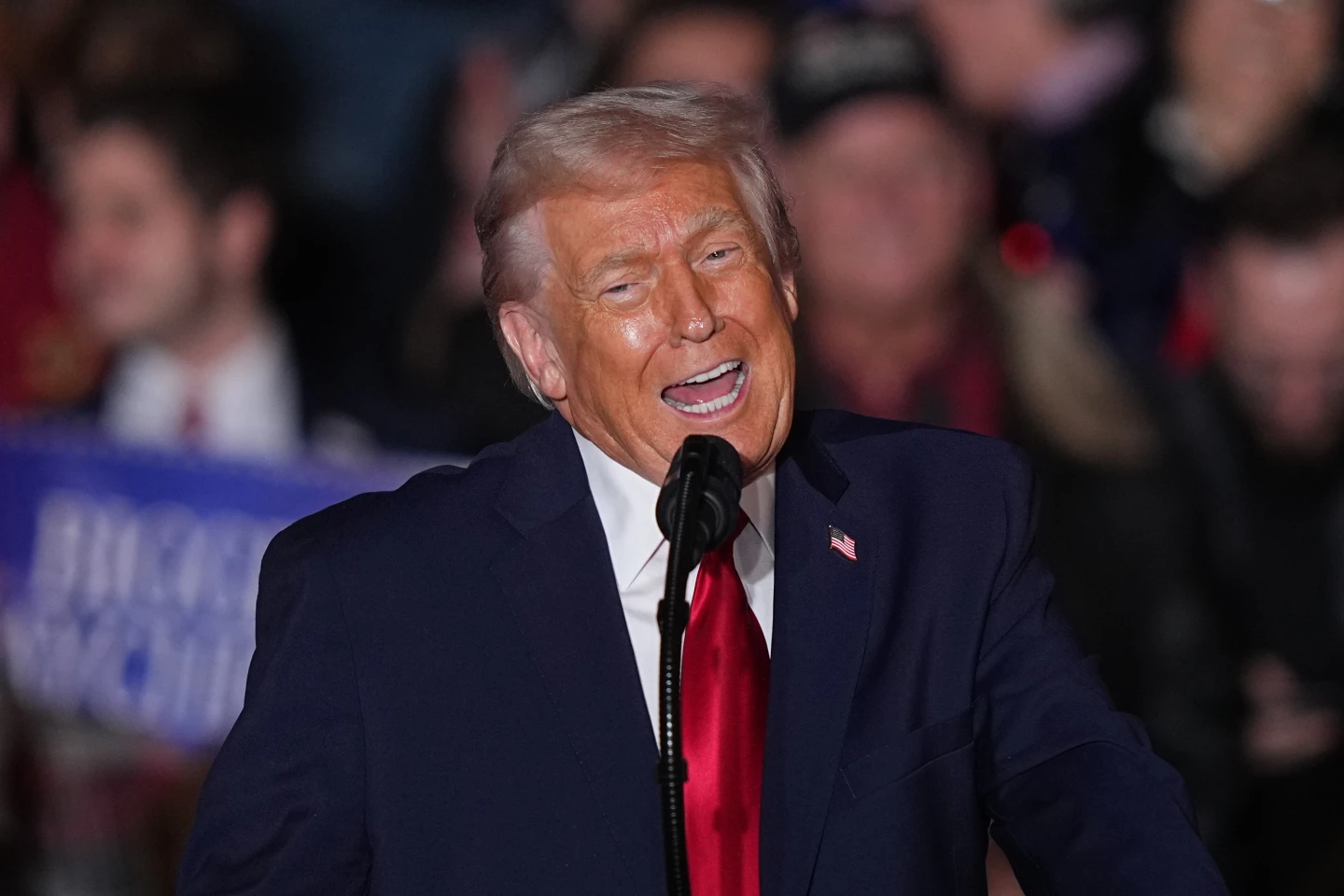
At a recent rally in Pennsylvania, former President Donald Trump unleashed vulgarity multiple times, referencing disparaging remarks he made about nations during a private meeting. His language, which included calling alleged drug smugglers 'sons of b——-s,' highlights a growing trend of public profanity among political figures.
The frequency and intent behind such language differs significantly from Biden's accidental slip — political leaders in both parties appear to be in an escalating competition to use harsh language as a method of connecting with their bases.
The trend of vulgar speech is not limited to Trump; it extends to other leaders across the political spectrum, with Democrats such as Kamala Harris experiencing considerable applause for profane remarks directed at the Trump administration. The coarsening of political dialogue serves to amplify outrage culture, particularly within the context of social media, where emotionally charged content tends to garner more attention.
Experts suggest that the increasing use of profanity risks losing its effectiveness as a tool for engagement, echoing the thoughts of comedian Jerry Seinfeld, who moved away from profanity in his routines for more meaningful content.
The political implications of this trend as election cycles approach are yet to be fully understood. Some politicians express concern that over-reliance on vulgar speech might alienate more moderate voters, while others see it as a necessary disruption in the face of political correctness. Whatever the outcome may be, the language of politics is undoubtedly evolving, reflecting broader cultural shifts and the boundaries of acceptable discourse.