In brief
The month-long Israeli blockade in Gaza has led to the closure of UN-supported bakeries, empty markets, and critical shortages of food and medicine, leaving many residents in dire need of assistance.
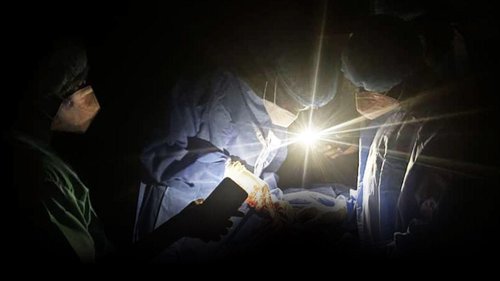
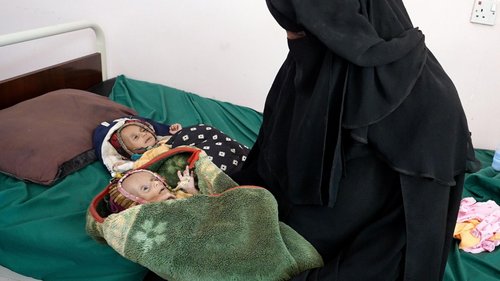
Amid a prolonged blockade, Gaza is grappling with unprecedented humanitarian challenges as the Israeli government closes all crossings for goods. Following one month of stringent trade restrictions, aid-dependent bakery operations backed by the UN have been forced to shut down, markets are largely devoid of fresh produce, and hospitals are forced to ration painkillers along with crucial antibiotics. The blockade marks the longest duration of restrictions in the nearly 18-month-long conflict against Hamas, coinciding with the Muslim holiday of Eid al-Fitr, exacerbating the suffering of the populace.Displaced individuals, such as Um Ali Hamad from Beit Lahia, report extreme hunger and distress, expressing feelings of exhaustion as they struggle daily to secure basic food items. The closure of bakeries adds a severe blow as bread remains a staple in the region, with residents like Abu Alaa Jaffar decrying the impact of these shortages. Flour prices have skyrocketed on the black market, now reaching as high as $135 for a 25kg bag.Israel's rationale for the blockade, which started on March 2, stems from Hamas’s unwillingness to extend a ceasefire initiated in January, where hostages were exchanged for Palestinian prisoners. Aid agencies are urging global powers to pressurize Israel into allowing essential goods into Gaza, highlighting international humanitarian law obligations.Reports indicate that existing food supplies are rapidly diminishing, with the UN stating that they are at the "tail end" of their resources. Emergency stocks are available, but the capacity for immediate relief is dwindling. The UN agency responsible for Palestinian refugees warns it has a few days’ worth of food remaining, while various NGOs have stopped services due to depleted resources.The humanitarian situation worsens as Israeli military operations intensify, leading to overwhelming casualties—around 1,066 Palestinians have been reported killed in just weeks, including a significant number of children. Hospitals struggle with serious shortages of medical supplies, including essential trauma equipment, with warnings of critical public health risks looming.Calls for immediate intervention escalate, condemning Israel’s actions as collective punishment, with claims lodged before international courts for accountability regarding the humanitarian crisis. Current negotiations for a ceasefire continue, but prospects for immediate relief or the lifting of the blockade appear grim.